

Fanwelt is a blockchain-based fantasy sports platform developed by Fabwelt Studios that combines sports competitions, gameplay mechanics, and a decentralized economy. The project allows users to build virtual teams, participate in tournaments, and earn cryptocurrency rewards based on real-world sports events. Unlike traditional fantasy games, Fanwelt leverages Web3 infrastructure to ensure transparency, true ownership of digital assets, and the ability to reuse them across the ecosystem.
The platform is designed for both sports fans and users interested in Play-to-Earn models. By integrating blockchain technology, all key in-game actions are recorded on a distributed ledger, fostering trust, reducing the impact of centralized control, and expanding players’ economic opportunities.
Contents
- Fanwelt Concept and Its Role in the Fabwelt Ecosystem
- Gameplay and Participation Scenarios
- Economy, Tokens, and Play-to-Earn
- NFTs, Digital Assets, and Gameplay Advantages
- Advantages, Risks, and Fanwelt’s Growth Outlook
- Conclusion

1. Fanwelt Concept and Its Role in the Fabwelt Ecosystem
Fanwelt was created as a hybrid platform that merges traditional fantasy sports with modern blockchain solutions. Users build virtual teams based on real athletes, while success is determined by actual match results and strategic choices. This approach preserves familiar fantasy sports mechanics while expanding them through a crypto-based economy and digital assets.
A key distinction of Fanwelt is its integration within the broader Fabwelt ecosystem. In-game tokens and digital assets are not limited to a single platform but can be used across other Fabwelt projects. This ecosystem-driven model enhances asset value and creates a unified digital environment where in-game achievements retain long-term relevance.
Blockchain technology ensures independence from centralized servers and allows players to maintain control over their results and assets. All core actions are recorded on a distributed ledger, eliminating manipulation and increasing transparency. In this context, Fanwelt functions not merely as a game, but as a digital space at the intersection of sports, strategy, and economics.
2. Gameplay and Participation Scenarios
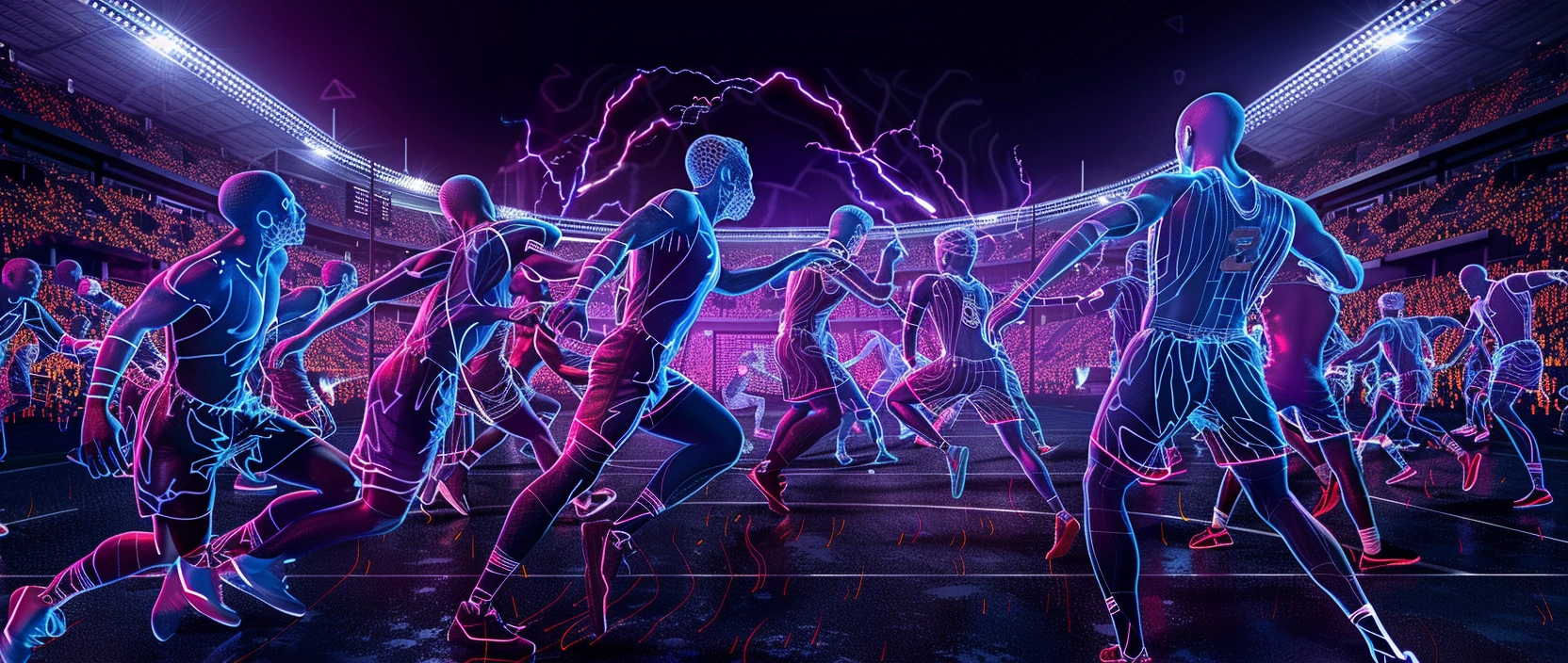
Fanwelt’s gameplay revolves around creating and managing virtual teams that compete in matches and tournaments. Users select athletes, build lineups, and make decisions based on statistics, player form, and competition conditions. Final outcomes directly depend on real sports performance, making the experience dynamic and analytically rich.
The platform supports both public tournaments and private game rooms. This enables participants to compete globally or create closed leagues for friends and communities. Such flexibility strengthens the social component and enhances player interaction.
Key gameplay elements include:
- building virtual teams based on real athletes;
- participating in tournaments and seasonal competitions;
- earning points based on sports performance;
- adjusting strategies for specific events;
- comparing results on leaderboards.
The analytical dimension makes Fanwelt less dependent on randomness. Players must account for multiple variables, which amplifies the importance of strategy. This brings the platform closer to intellectual competition rather than purely casual entertainment.
3. Economy, Tokens, and Play-to-Earn
Fanwelt’s economic model is built on Play-to-Earn principles, where rewards depend on player activity and performance. By participating in tournaments and achieving strong results, users earn tokens that hold value within the Fabwelt ecosystem and can be applied in various use cases.
Tokens function not only as rewards but also as access tools for additional features. They can be used to enter new competitions, unlock bonuses, or interact with other ecosystem products. This structure encourages long-term engagement and reduces the focus on short-term gains.
| Economic Element | Purpose |
|---|---|
| Game Tokens | Rewards for participation and achievements |
| Tournament Prizes | Additional payouts for top rankings |
| Internal Economy | Access to features and special events |
| Fabwelt Ecosystem | Use of assets across other projects |
The economic model is designed to balance supply and demand. Rewards are distributed in a way that incentivizes active participation. Over time, this contributes to the overall stability of the system. Such a structure allows Fanwelt to scale flexibly as the user base grows. Integration of tokens with other Fabwelt products broadens their use cases, creating a more resilient model where gameplay activity directly supports long-term platform value.
4. NFTs, Digital Assets, and Gameplay Advantages
NFT mechanics complement Fanwelt’s economy and expand player capabilities. Digital assets may represent bonuses, unique items, or collectible elements that influence gameplay. Unlike traditional in-game items, NFTs are owned by users and can be freely transferred.
These assets add an extra layer of engagement by combining gameplay utility with economic value. NFTs can be used not only within Fanwelt but also across other Fabwelt projects, increasing their versatility.
Additionally, owning rare NFTs can signal status within the community. This enhances social motivation and encourages collecting. Over time, NFTs become a connective element linking gameplay, economics, and community interaction.
5. Advantages, Risks, and Fanwelt’s Growth Outlook
Fanwelt blends the strengths of fantasy sports and blockchain technology, offering a transparent economy and genuine asset ownership. The project introduces new ways to interact with sports content and expands monetization opportunities for users.
At the same time, the platform faces challenges common to Web3 projects, including cryptocurrency volatility and the need to maintain a sustainable economy. Long-term success will depend on community engagement and the quality of ongoing updates.
With consistent development, Fanwelt has the potential to secure a stable position at the intersection of sports, gaming, and Web3. Architectural flexibility and an ecosystem-driven approach create strong foundations for future scaling and growth.
6. Conclusion
Fanwelt demonstrates how the fantasy sports genre can be reimagined through blockchain technology and Play-to-Earn mechanics. The project combines analytics, strategy, and a digital economy to deliver a multi-layered gaming experience. Integration with the Fabwelt ecosystem and the use of NFTs position Fanwelt as a promising platform for long-term engagement within the Web3 space.
Amid growing interest in GameFi projects, Fanwelt reflects the broader evolution of digital entertainment, where value is created through user engagement and skill. The platform offers a flexible participation model suited to both active players and sports analysts. Fanwelt’s future success will depend on the sustainability of its economic model and community activity. With steady development, the project can establish a strong presence at the crossroads of sports, gaming, and Web3 technologies.











