

Fatty is a Web3 game and digital ecosystem built around NFT characters with a strong visual identity rooted in meme culture. The project combines gameplay mechanics, collectible elements, and a tokenized economy, placing emphasis on community engagement and the long-term value of digital assets. Unlike early GameFi projects focused on short-term profits, Fatty adopts a sustainable play-to-own model in which ownership, participation, and interaction form the core of the user experience. This approach allows the project to grow organically alongside its community, without relying on short-term market cycles.
Table of Contents
- The Fatty Concept and Project Philosophy
- Gameplay and User Interaction
- NFTs and the Fatty Token Economy
- Technical Architecture and Blockchain Infrastructure
- Strategic Development and the Role of Fatty in Web3
- Conclusion
1. The Fatty Concept and Project Philosophy
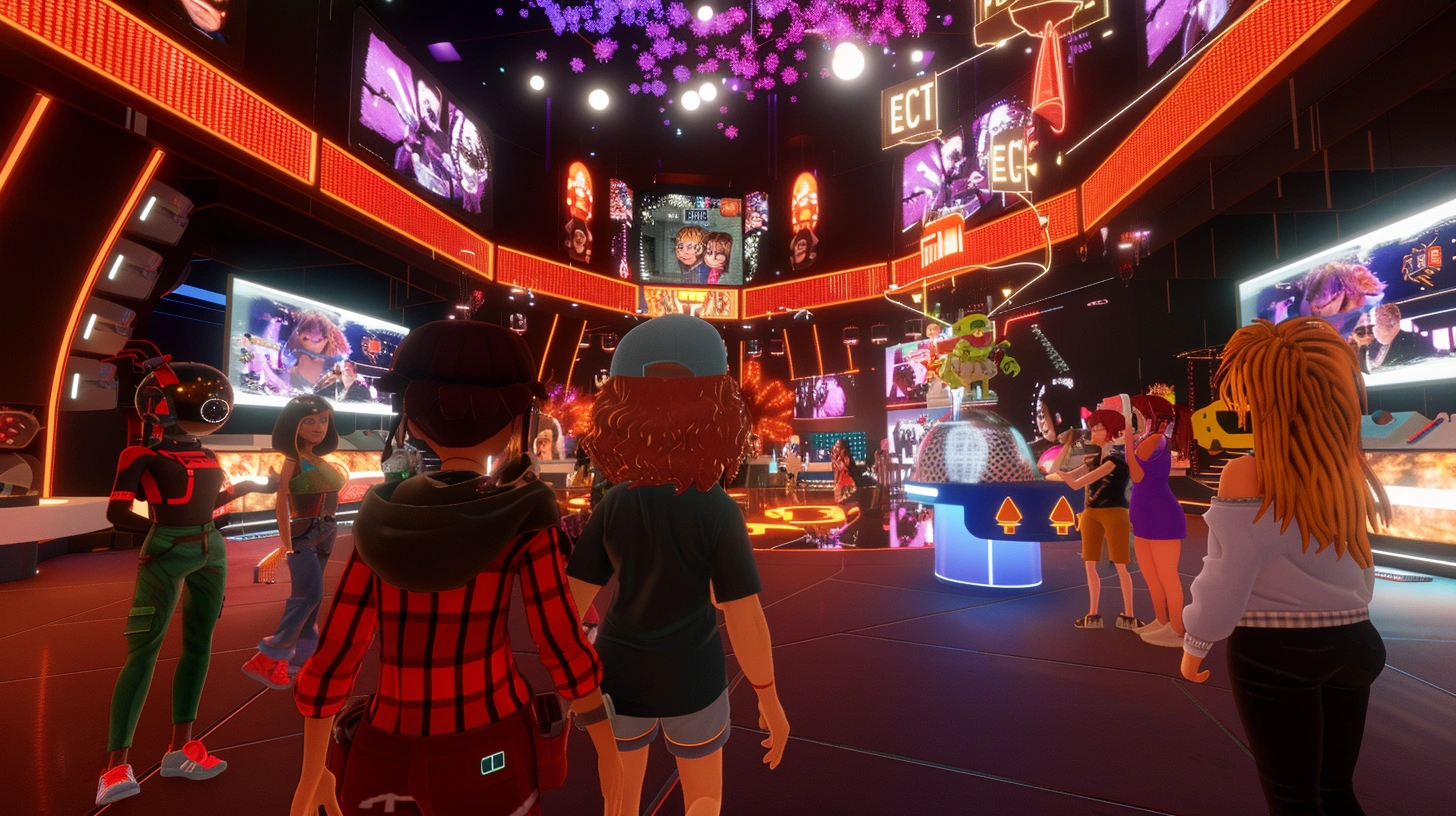
Fatty is developed as a gaming and social Web3 platform centered around NFT characters with humorous and memorable designs. The project’s concept relies on meme culture as a tool for engagement, helping lower the entry barrier for new users and making interaction with blockchain technology more intuitive.
The philosophy of Fatty is built around digital self-expression and active community participation. NFT characters are not merely collectible items but living elements of the ecosystem that can evolve and gain additional value over time. This creates a strong emotional connection between users and their digital assets. The project is also oriented toward long-term sustainability. Instead of short-lived incentives, Fatty focuses on recurring engagement, social mechanics, and gradual feature expansion, allowing the ecosystem to grow organically.
In addition, the project philosophy emphasizes accessibility and inclusivity. Meme-driven aesthetics reduce the perceived technical complexity often associated with Web3. This helps attract users with little or no prior blockchain experience. As a result, Fatty is able to build a broader and more diverse audience.
2. Gameplay and User Interaction
The gameplay of Fatty is designed around simple and accessible mechanics aimed at a wide audience. Users interact with their NFT characters, participate in in-game activities and events, and engage with the social aspects of the ecosystem.
The game blends casual gaming elements with collecting mechanics, allowing users to choose the level of involvement that suits them best. Progress is achieved through consistent participation rather than complex or overloaded systems.
- Managing and developing Fatty NFT characters
- Participating in in-game tasks and seasonal events
- Collecting and trading digital items
- Social mechanics and community interaction
This approach helps maintain sustained interest and encourages regular return visits, which is essential for long-term ecosystem growth.
Social interaction between participants plays an additional role. Collaborative events and shared activities enhance the sense of presence within the digital world. Users become part of a collective space rather than isolated players. This significantly increases the perceived value of participation compared to purely solo gameplay.
3. NFTs and the Fatty Token Economy
The economic model of Fatty is built around a combination of NFT characters and a native ecosystem token. NFTs represent the core assets of the platform, each with unique visual and functional characteristics securely recorded on the blockchain.
Tokens are used for in-game operations, event participation, and interaction with the platform’s economic mechanisms. The ecosystem encourages active token usage, reducing incentives for passive holding.
| Element | Role in the Ecosystem | Value for Users |
|---|---|---|
| NFT Characters | Gameplay participation and collecting | Digital ownership and value growth |
| Native Token | In-game operations and access | Use of ecosystem features |
| Economic Mechanisms | Burning and in-game expenses | Economic stability and balance |
Mechanisms such as limited issuance and in-game spending are designed to reduce inflationary risks and support long-term economic sustainability. Additional value is created through the usage history of NFTs. Active characters develop a unique gameplay record, which can influence their perception and demand on secondary markets. As a result, the economy is closely tied to actual player behavior.

4. Technical Architecture and Blockchain Infrastructure
Fatty uses blockchain technology as the foundation for managing digital assets and game logic. Smart contracts handle NFT minting, transaction processing, and the automation of core processes, reducing centralization.
The project is integrated with the broader Web3 infrastructure, including crypto wallets and NFT marketplaces, allowing users to freely manage their assets outside the game. This strengthens the sense of true digital ownership. The technical architecture also accounts for scalability and user experience. Optimized on-chain operations help reduce fees and make blockchain interaction less visible to players, which is especially important for a mass audience.
Special attention is given to smart contract security. This reduces risks for users and protects digital assets. A reliable infrastructure increases community trust. As a result, the platform remains resilient in the long term.
5. Strategic Development and the Role of Fatty in Web3
Fatty occupies a niche within Web3 gaming that focuses on culture, community, and accessibility. The use of meme aesthetics and a simple visual language enables the project to reach beyond a narrow crypto-native audience.
In the long term, Fatty may evolve into an expanded metaverse featuring new game modes, partnership integrations, and additional social functionalities. This development direction opens opportunities for scaling and growing the user base. The project also demonstrates the evolution of GameFi toward more mature models, where NFTs function as active components of a digital environment rather than purely speculative assets.
Over time, Fatty may become a full-fledged cultural Web3 product. The interaction between gameplay, community, and economy forms a sustainable ecosystem. This strengthens the project’s competitive position. As a result, Fatty has the potential to become a reference point for similar initiatives.
6. Conclusion
Fatty is a blockchain game and Web3 ecosystem in which NFTs, gameplay, and tokenomics are combined into an accessible, community-driven product. The project emphasizes long-term engagement, digital ownership, and sustainable development. With its well-defined concept, solid technological foundation, and strong cultural context, Fatty has the potential to secure a visible position among Web3 games.
Looking ahead, the project may serve as an example of how blockchain games can transform into fully developed digital spaces with their own economies and identities. Additional value is created through the combination of meme aesthetics and functional NFTs, strengthening the emotional bond between users and the ecosystem. This supports the formation of an active community and reduces dependence on short-term market trends. As a result, Fatty moves beyond the classic GameFi model, offering a more mature and sustainable approach to interaction in Web3.











