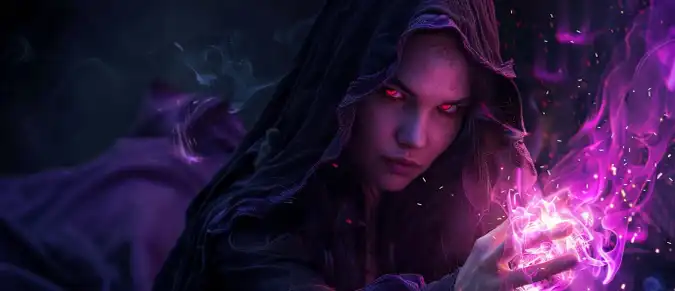

Finesse P2E is an ambitious gaming project within the Jot Art ecosystem that combines elements of RPG, platformer gameplay, and crypto-economy. Built on the Play-to-Earn model, the game offers players not only engaging missions and narrative-driven campaigns but also true financial involvement through NFTs and tokens. With cross-chain support, integration with BNB and TRON networks, and a future migration to the proprietary Lithosphere blockchain, Finesse stands out as a technically rich and strategically forward-looking product. This article explores all key aspects of the game — from its world and mechanics to its technical stack, tokenomics, and potential risks.
Table of Contents
- Finesse Concept and Narrative Universe
- Gameplay, In-Game Modes, and Core Features
- Technology Architecture and Tokenomics
- Challenges and Risks: What Could Go Wrong?
- Success Factors and Growth Potential
- Conclusion

1. Finesse Concept and Narrative Universe
Finesse P2E is a series of blockchain games developed by Jot Art, based on a fusion of role-playing systems, platformer mechanics, and a comprehensive digital economy. The first chapter, “Shadow Warriors,” follows a hero on a quest to liberate the world of Draponia from demonic forces. The second installment, “The Kingdom,” continues the story, focusing on rebuilding a fallen kingdom and uncovering its hidden secrets. Each title features its own storyline, but the shared ecosystem enables players to use the same NFT characters and items across different games. This transforms digital collections from temporary assets into long-term investments in a growing game universe.
Support for cross-series interoperability enhances player engagement and boosts asset value. The project is rooted in the idea of a metaverse where players can travel between worlds without losing progress or ownership. This approach allows both gameplay and Web3 infrastructure to evolve, where owning in-game objects carries real-world meaning. The narrative itself deepens through internal lore, original characters, and faction-based conflict across chapters.
2. Gameplay, In-Game Modes, and Core Features
Finesse gameplay includes level progression, combat, resource gathering, and character upgrades. Players explore environments, fight enemies, earn rewards, and interact with NFT-based items. While the game is mainly focused on PvE and exploration, future updates promise PvP events and seasonal tournaments. Accessibility is a major priority: Finesse will be available on both web and mobile platforms, and scalable to fit players of all experience levels — from beginners to advanced users.
Key Gameplay Features:
- Progression through story-driven missions and combat zones.
- Resource collection, gold farming, and rare NFT drops.
- Character development via combat skills and strategy.
- Cross-chain NFT compatibility across different titles and platforms.
- Gamified reward system with Play-to-Earn incentives.
Victory is only part of the journey — strategic resource management plays a major role. Players can gain influence through exclusive NFTs that offer battle advantages or unlock secret content. A strong social layer is also emphasized: guilds, co-op missions, and in-game communities add depth to player interaction. Together, these mechanics deliver a layered and immersive gaming experience.
3. Technology Architecture and Tokenomics
The project is built on a multi-layered blockchain architecture involving BNB Chain, Tron, and eventually the custom Lithosphere network. This model ensures scalability, low fees, and system resilience. NFTs play a core role in this ecosystem — they are minted with multichain standards that support cross-platform interoperability. Players can move assets freely between games and blockchains while maintaining full ownership.
Main Tokenomics Parameters:
| Parameter | Value |
|---|---|
| Main Token | JOT (Jot Art Token) |
| Max Supply | 1,500,000,000 JOT |
| Initial Circulation | 5% (75,000,000 JOT) |
| Secondary Token | GEM (Gemstone) |
| Use Cases | Governance, NFT purchases, in-game rewards |
| Supported Networks | BNB Chain / Tron / Lithosphere |
The dual-token system allows for economic separation: JOT handles governance and strategic value, while GEM powers daily gameplay incentives. This division helps avoid inflation and reinforces economic stability. The upcoming Lithosphere integration aims to minimize transaction fees and establish full infrastructure autonomy.

4. Challenges and Risks: What Could Go Wrong?
Like any ambitious Web3 venture, Finesse faces several risks. First are the technical complexities: cross-chain infrastructure must remain secure and performant. Bugs in NFT bridges or Layer-1 integration issues could erode user trust. Smart contract security and asset protection are also mission-critical.
Another challenge lies in the monetization model. If in-game rewards are unbalanced, it could either lead to token inflation or user disengagement. Low player retention or weak marketing could prevent the game from gaining critical mass. With competition in GameFi intensifying, clear value differentiation is essential for survival.
Transparency in development is also a concern. Without regular updates, documentation, and community engagement, skepticism may rise. It’s crucial that the Jot Art team remains open, responsive, and committed to executing their roadmap.
5. Success Factors and Growth Potential
The success of Finesse depends on execution quality, economic design, and community engagement. Key elements include the Lithosphere launch, DAO integration, NFT marketplace connectivity, and partnerships with other Web3 ecosystems. Keeping users engaged through updates, events, and governance options will be essential.
External support is also important: investor backing, token listings, guild participation, and influencer involvement can amplify visibility. The ability to adapt Play-and-Earn mechanics to real user needs will distinguish Finesse from short-lived trends. Integration of user-generated content and social tools will lay the foundation for a vibrant player-driven ecosystem.
6. Conclusion
Finesse P2E is more than just another Web3 game — it's a major component of the broader Jot Art ecosystem, offering players ownership, earnings, and influence. Thanks to cross-chain architecture, scalable economy, and narrative depth, the project has a strong chance of standing out in the GameFi space. Developers already show flexibility and ambition, but the success will depend on how well promises are delivered.
If the team maintains momentum and transparency, Finesse can evolve into a sustainable game with a loyal community. Investors and players alike should monitor releases closely and evaluate the project based on fundamentals, not just visuals. Even in its current stage, Finesse is shaping a unique identity, original lore, and a thoughtful expansion strategy. With the right support and continued community growth, it could become a mature example of Play-to-Earn done right.











