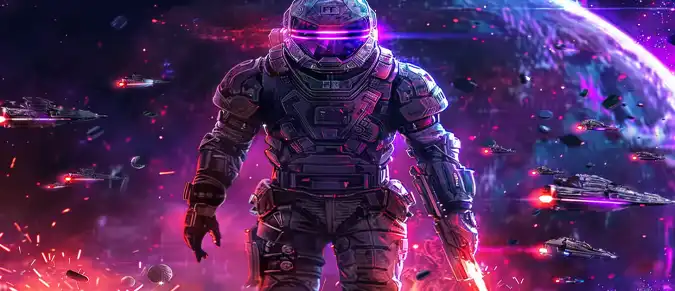

Galaxy Blitz is a Web3 game in the space strategy genre that combines classic RTS elements with blockchain technology. The project allows players not only to participate in battles and develop bases but also to own digital assets that directly affect gameplay. Unlike early GameFi solutions, the focus here is shifted toward active gameplay and strategic thinking. Galaxy Blitz aims to merge competitive gaming with an economic model, creating a more sustainable ecosystem.
Contents
- Concept and Role of Galaxy Blitz in Web3
- Gameplay and Core Mechanics
- Economy and Galaxy Blitz Tokens
- Advantages and Limitations of the Model
- Project Outlook and Target Audience
1. Concept and Role of Galaxy Blitz in Web3
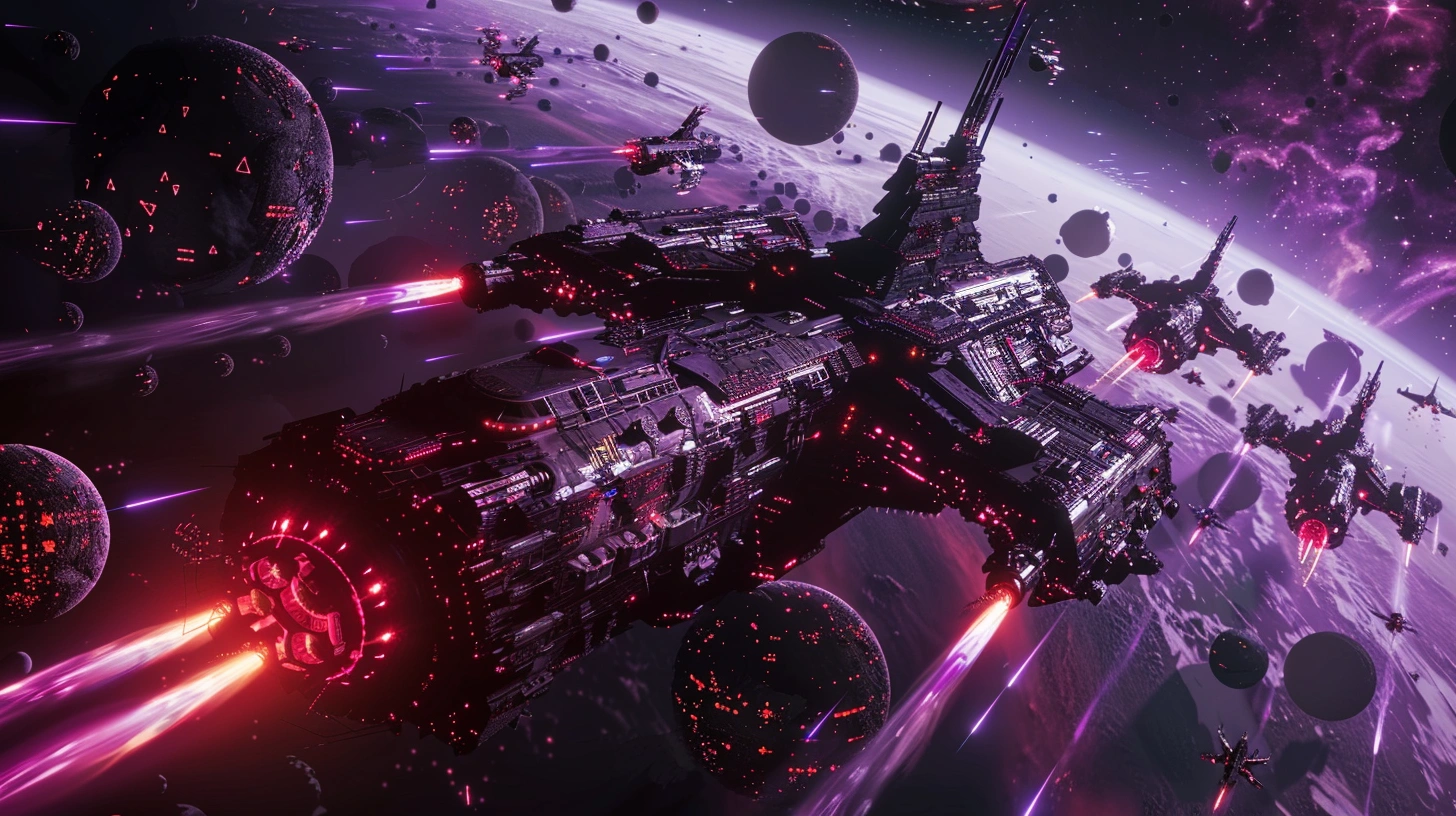
Galaxy Blitz is a real-time strategy game adapted for the Web3 environment. Players manage resources, develop bases, and engage in battles, combining traditional gameplay with blockchain capabilities. The project builds an ecosystem where digital assets become an integral part of the experience.
Unlike traditional games, users can truly own resources and use them across different scenarios, which increases engagement. Galaxy Blitz reflects the evolution of GameFi toward more complex and structured systems. It blends elements of classic gaming with Web3, creating a hybrid interaction model.
For long-term success, an active community and strong partnerships are essential. These factors help expand the ecosystem and maintain user interest over time.
2. Gameplay and Core Mechanics
The gameplay of Galaxy Blitz revolves around managing a space base and building fleets. Players gather resources, upgrade infrastructure, and engage in battles against others. Every decision impacts progression and overall strategy.
Combat takes place in real time, requiring quick reactions and careful planning. Victory depends not only on fleet strength but also on tactical execution. This makes the experience dynamic and engaging. NFT assets play a key role, as they define fleet characteristics and capabilities.
- base development and resource management;
- fleet creation and upgrades;
- participation in PvP battles;
- use of NFTs to enhance performance;
- tactical planning and decision-making.
As a result, the game combines strategy, action, and collection elements into a unified experience. Players can adapt their approach depending on opponents and battle conditions, making each encounter unique.
Balancing development and aggression is also crucial. Overly aggressive strategies may lead to resource loss, while passive play can slow progression. This adds another layer of depth to the gameplay.
3. Economy and Galaxy Blitz Tokens
The economic model of Galaxy Blitz is based on tokens that support in-game operations and ecosystem growth. They are used for transactions, upgrades, and rewards. Splitting roles between tokens creates a more flexible system.
One token is responsible for core transactions, while another is used for ускорение процессов and enhancements. This structure helps maintain balance within the game environment.
| Token | Type | Function | Use Case |
|---|---|---|---|
| MIT | Main | Transaction medium | Purchases, rewards, operations |
| GEM | Game resource | Process acceleration | Upgrades, enhancements |
The stability of the economy depends on player activity. High engagement increases token value, while declining interest can disrupt balance. This makes tokenomics a critical component of long-term sustainability.
Reward distribution mechanisms must also remain balanced to prevent inflation and maintain player motivation. Transparency in economic rules further strengthens user trust and encourages participation.
4. Advantages and Limitations of the Model
Galaxy Blitz stands out due to its combination of strategic gameplay and Web3 mechanics. It attracts both traditional gamers and crypto users. One of its main strengths is active gameplay, where players influence outcomes rather than passively earning rewards.
However, the complexity of the model introduces certain risks. Continuous development and updates are required to maintain balance and relevance. Without this, the game may lose its appeal over time.
Competition is another key factor. The Web3 gaming space is rapidly evolving, and projects must adapt quickly to remain competitive. Technical stability is equally important, especially in real-time environments where performance directly impacts user experience.
Ultimately, success depends on balancing gameplay and economic systems. If one dominates the other, user interest may decline.
5. Project Outlook and Target Audience
Galaxy Blitz targets a broad audience, including strategy enthusiasts and Web3 users. This approach allows the project to unite different player groups within a single ecosystem. Future growth depends on expanding content and increasing user engagement.
Regular updates and new mechanics can help sustain interest. The overall quality of execution will determine whether the project can strengthen its position in the market.
Industry trends also play a role. Growing interest in Web3 can boost the game's popularity, but market changes require flexibility and quick adaptation.
For long-term success, building a strong community is essential. Active players contribute additional value and support ecosystem development. Galaxy Blitz represents an attempt to combine strategy and blockchain, with success depending on balance, engagement, and adaptability.











