
GLHF Studio is a crypto-native game studio best known as the developer of Gigaverse, a browser-based RPG with an on-chain economy built on the Abstract network. The team focuses on short and accessible gameplay loops, economic risk, digital ownership, and active player-to-player trading rather than the traditional Play-to-Earn model. Gigaverse remains the studio's flagship product, combining dungeons, crafting, fishing, PvP, pets, and a marketplace for in-game assets. GLHF's approach demonstrates how the casual degen gaming concept can combine accessible gameplay with a crypto economy and in-game items that have real market value.
Contents
- What Is GLHF Studio and How Did Gigaverse Emerge?
- Gigaverse and GLHF's Casual Degen Gaming Model
- GLHF Ecosystem: Abstract, NFTs, and Gigamarket
- Key Features of GLHF's Approach to Web3 Gaming
- GLHF Studio and the Evolution of Crypto-Native Games
1. What Is GLHF Studio and How Did Gigaverse Emerge?
GLHF is a game studio formed around the GLHFers team and the idea of developing products specifically for a crypto-native audience. One of the project's co-founders is a developer known by the pseudonym Dith. In interviews, he has explained that Gigaverse initially emerged as a small project created by a group of friends who wanted to build a game they would enjoy playing themselves, rather than a product based on a predetermined corporate roadmap.
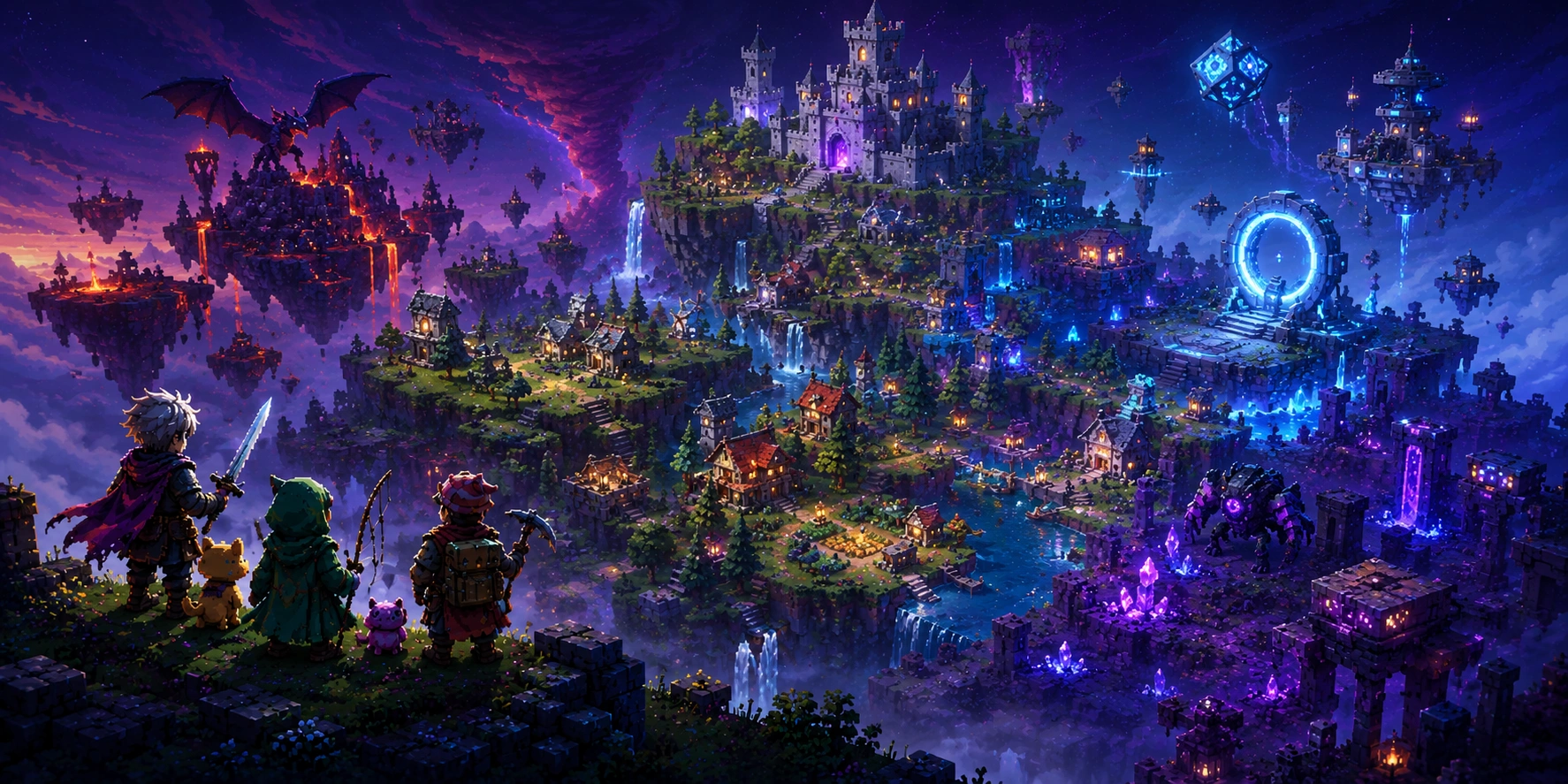
GLHF's main focus became Gigaverse, a browser-based RPG combining pixel-art visuals, roguelite mechanics, and an on-chain economy. The game operates on Abstract, a network designed in part for consumer-facing crypto applications. Players explore dungeons, develop characters, collect items, craft and fish, participate in competitions, and sell acquired assets to other users.
Instead of publishing a rigid multi-year roadmap, the team follows an iterative development model. New modes and economic mechanics are introduced as the product evolves. This approach has allowed GLHF to expand the original dungeon-based gameplay loop with factions, Conquest, Giglings, racing, fishing, crafting, and other features.
In 2026, GLHF raised $2.3 million in an investment round led by 1confirmation. Participants also included figures and investors from the crypto industry, including Pudgy Penguins CEO Luca Netz and Sky Mavis co-founder Jeffrey Zirlin. The funding was announced as additional capital for the continued development of Gigaverse, new gameplay modes, and the expansion of its open world.
2. Gigaverse and GLHF's Casual Degen Gaming Model
GLHF's game design philosophy combines a low barrier to entry with economically meaningful decisions. Gigaverse's core actions do not require players to learn a complex MMO system. For example, dungeon combat uses interactions between Attack, Defense, and Magic based on a system similar to rock-paper-scissors. At the same time, equipment, upgrades, resources, and player decisions influence the outcome of each run.
This design can be associated with casual degen gaming, a category in which accessible gameplay mechanics are combined with risk, scarce digital assets, and an open marketplace. Unlike early Play-to-Earn projects, users do not receive a fixed cryptocurrency payout simply for participating in the game. Instead, economic value is formed around items, player activity, and market demand.
In Gigaverse, completing dungeons allows players to obtain resources and rare items that can later be used for progression or trading. Fishing and crafting have developed into separate gameplay activities, while the Giglings system introduced collectible pets that can participate in races. Gigling Racing has its own competitive parameters and creates additional forms of interaction between participants.
The social layer is developed through factions and Conquest. Players choose a side, participate in competitions, and compare their performance through rankings. As a result, Gigaverse is gradually evolving from a collection of short RPG loops into an interconnected game economy in which gathering, production, collecting, competition, and trading generate demand for different resources.
3. GLHF Ecosystem: Abstract, NFTs, and Gigamarket
Gigaverse uses Abstract as its blockchain infrastructure. Abstract is an EVM-compatible network designed in part for consumer applications and games. Users can access the ecosystem through the Abstract Global Wallet, including account creation via email. This model reduces the number of technical steps typically required when interacting with a Web3 application for the first time.
Digital assets are part of the game economy but serve different purposes. The ecosystem includes Noob characters, ROMs and GLHFers collections, Gigling pets, in-game items, and cosmetic assets. Some of these assets exist on-chain and can move between the player's game inventory and the marketplace.
| Component | Purpose | Use |
|---|---|---|
| Gigaverse | GLHF's flagship game | Dungeons, crafting, fishing, PvP, and character progression |
| Abstract | Blockchain infrastructure | On-chain assets, wallets, and economic transactions |
| Noobs | Playable characters | Progression, equipment, and participation in game activities |
| Giglings | Collectible pets | Breeding, trading, and Gigling Racing |
| Gigamarket | In-game marketplace | Buying and selling items between users |
| GLHFers / ROMs | Ecosystem NFT collections | Collecting and interaction with GLHF products |
Gigamarket plays an important role in the ecosystem as an integrated marketplace where users can sell items they have acquired through gameplay. According to Gigaverse, the marketplace has processed hundreds of thousands of listings and transactions, while the cumulative amount earned by players through the market has exceeded $1 million. These figures are based on project-reported data and may change as the economy continues to operate.
This type of marketplace connects gameplay progression with real user demand. An item's rarity alone does not guarantee its value: prices are determined by participants and depend on utility, supply, collectible demand, and current activity within the game. On-chain ownership therefore creates not only opportunities for trading but also exposure to market risk.
4. Key Features of GLHF's Approach to Web3 Gaming
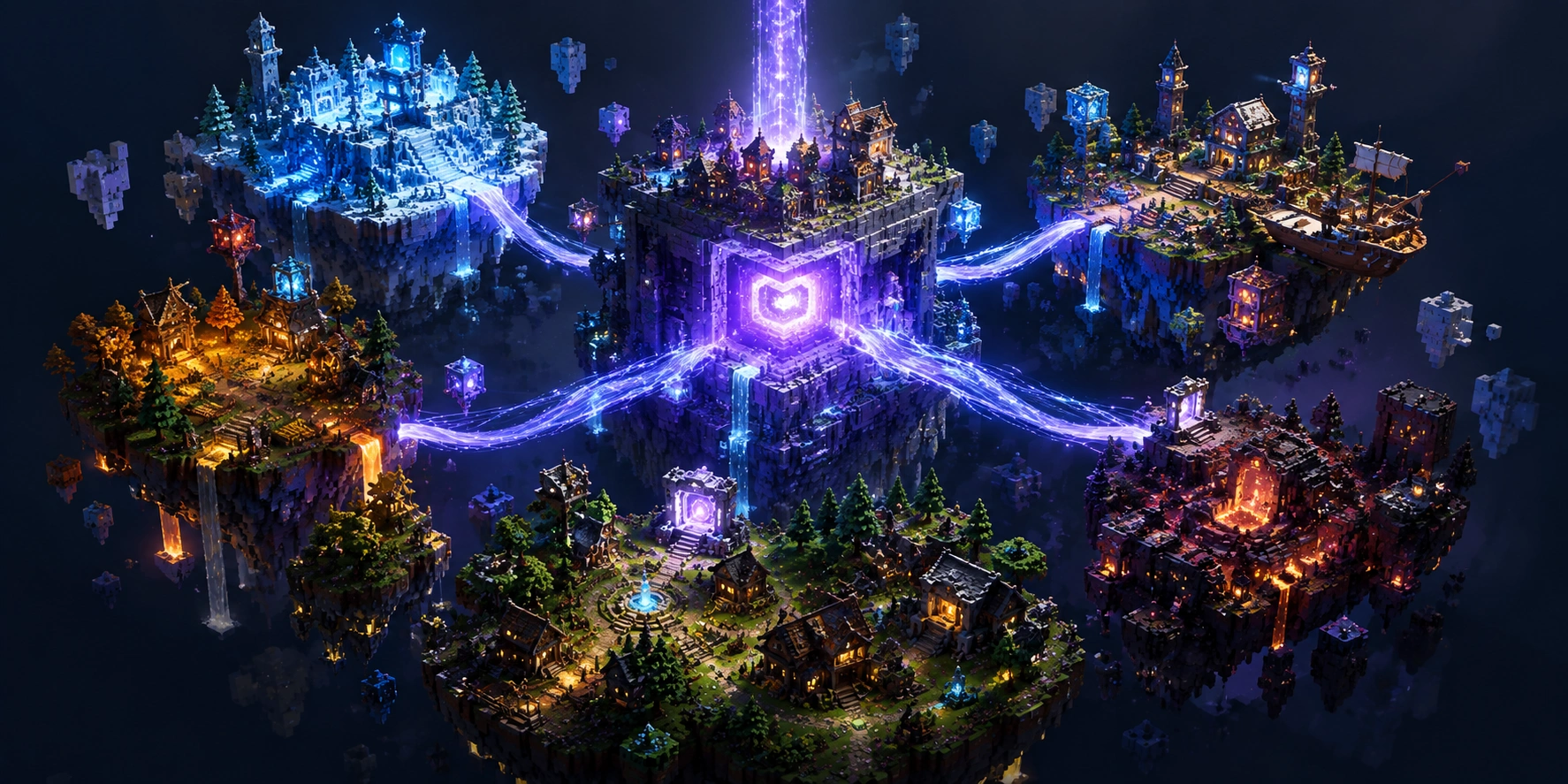
GLHF differs from studios that first design tokenomics and then attempt to build a game around them. In Gigaverse, repeatable gameplay loops remain the foundation: completing dungeons, acquiring resources, improving equipment, crafting, collecting, and competing. Blockchain technology primarily supports digital ownership and economic transactions within this model.
Another distinctive feature is the focus on a crypto-native audience. GLHF does not attempt to completely hide the financial component of Web3: Gigaverse directly incorporates a marketplace where items can have real market value, along with mechanics involving economic risk. At the same time, the core gameplay remains accessible enough for users to understand the basic loop without learning highly complex RPG systems.
Key features of GLHF and Gigaverse:
- browser-based gameplay without a traditional game client installation;
- use of the Abstract blockchain;
- short gameplay loops combining RPG and roguelite elements;
- on-chain ownership of selected digital assets;
- integrated player-to-player marketplace through Gigamarket;
- dungeons, crafting, and fishing;
- factions and the competitive Conquest mode;
- Giglings and the dedicated Gigling Racing mechanic;
- GLHFers and ROMs NFT collections;
- iterative game development without a fixed public roadmap.
The absence of a rigid roadmap gives the developers greater flexibility to adjust priorities and experiment with new mechanics. For users, however, this approach also means less predictability: item functionality, economic balance, and the available set of gameplay modes may change as the project evolves.
Another important characteristic of the model is the economy's dependence on community activity. When items acquire real market value through player-to-player trading, liquidity and prices are directly linked to demand. This distinguishes the system from the closed economy of a conventional RPG, where resource values are primarily determined by the developer.
5. GLHF Studio and the Evolution of Crypto-Native Games
GLHF is developing against the backdrop of a broader shift in Web3 gaming. The first wave of GameFi frequently relied on high token emissions and financial incentives to attract users. Newer projects are experimenting with a different architecture: gameplay loops and internal economies are established first, while blockchain technology is used for ownership, trading, and settlement.
Gigaverse demonstrates this transition in practice. Its economy is not built around a single gaming token but around a combination of items, characters, resources, collectible assets, and player-to-player transactions. This creates multiple sources of demand but does not eliminate economic risk: the value of NFTs and in-game items remains dependent on player interest and market activity.
GLHF's $2.3 million funding round in 2026 provides the studio with additional resources to expand Gigaverse. Public announcements surrounding the financing mentioned new gameplay features, additional modes, and further development of the open world. At the same time, the studio continues to work with collectible assets and expand the economy surrounding its flagship product.
GLHF Studio represents a notable example of a crypto-native game development team for which Web3 is part of economic design rather than an additional layer introduced after a game's release. Gigaverse combines casual accessibility, RPG progression, on-chain ownership, and market risk, creating a model closely associated with casual degen gaming. The long-term sustainability of this approach will depend not only on blockchain infrastructure and trading activity, but primarily on the studio's ability to retain players, expand game content, and maintain demand within its player-driven economy.











