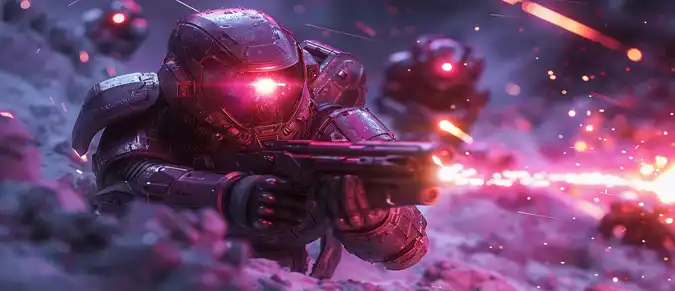

Helldivers Web3 is a concept that expands a cooperative shooter by integrating blockchain technology. The core focus remains on dynamic gameplay, teamwork, and mission execution, while a digital economy is layered on top of this foundation. This approach creates a hybrid model where player progress can be connected to tokens and NFTs without disrupting familiar mechanics.
Contents
- Concept and Positioning of Helldivers Web3
- Gameplay and Cooperative System
- NFTs and In-Game Assets
- Tokens and Economic Model
- Outlook and Limitations
1. Concept and Positioning of Helldivers Web3
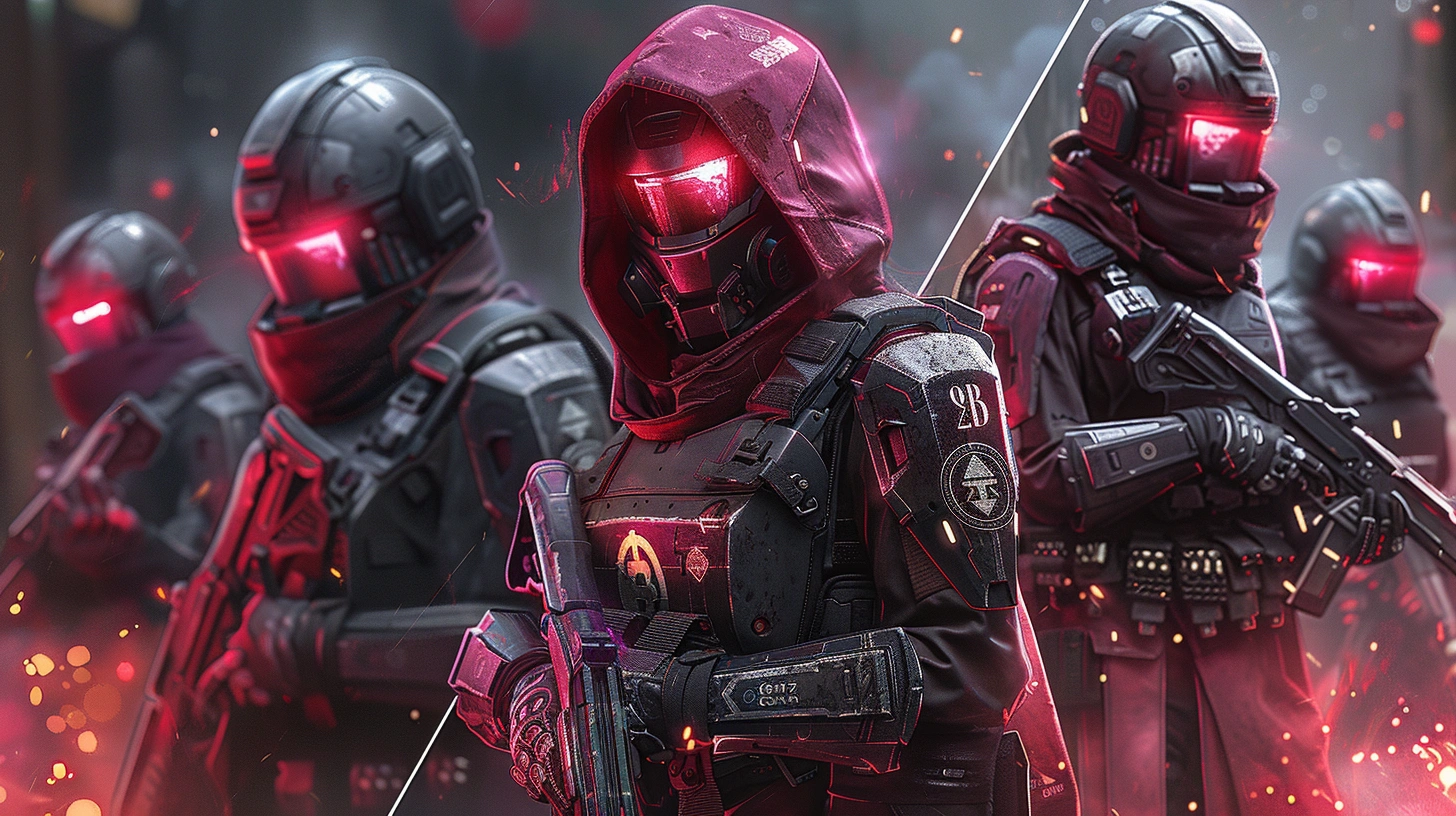
Helldivers Web3 is built on the idea of integrating blockchain into a familiar cooperative shooter format. Unlike many GameFi projects where the economy dominates, the primary focus here remains on gameplay. Blockchain acts as an additional layer that enhances possibilities rather than replacing core mechanics.
This approach helps maintain a balance between entertainment and digital ownership. Players are not required to interact with tokens to enjoy missions, but they can use these tools to expand their experience if desired. This makes the project accessible to a wider audience.
Transparency is also a key element. Decentralized systems can record achievements and rewards, increasing trust in the overall structure. At the same time, the project aims to reduce technical barriers by simplifying interfaces and interactions, especially for users new to Web3.
2. Gameplay and Cooperative System
The gameplay in Helldivers Web3 retains the core of a classic cooperative shooter. Players form teams to complete missions where coordination and role distribution are essential. This creates a dynamic environment where outcomes depend on collective effort.
Each mission requires adaptation, from choosing equipment to making tactical decisions in combat. Enemy variety and mission design help maintain long-term engagement. Web3 elements are integrated into the reward system without disrupting gameplay flow.
The competitive aspect is tied to mission efficiency. Better performance leads to stronger results and potential rewards, reinforcing motivation and linking gameplay with digital assets. Mission diversity also plays a key role, encouraging players to constantly adjust their strategies.
3. NFTs and In-Game Assets
In Helldivers Web3, NFTs serve as a way to закреп player progress in a tangible form. They can represent equipment, rare items, or unique rewards earned through missions, adding significance to achievements.
Digital assets expand interaction possibilities. Players not only gain experience but also retain control over items outside the game environment. This strengthens the sense of ownership and makes results more meaningful.
- NFTs represent achievements and rare rewards.
- Digital items can be used within gameplay.
- Assets exist beyond the game environment.
- The system increases the value of participation.
- Players gain greater control over their progress.
As a result, NFTs become a bridge between gameplay and digital ownership. They enhance engagement and provide additional motivation to participate in missions. They may also serve as identity elements, allowing players to express individuality through characters and equipment.
4. Tokens and Economic Model
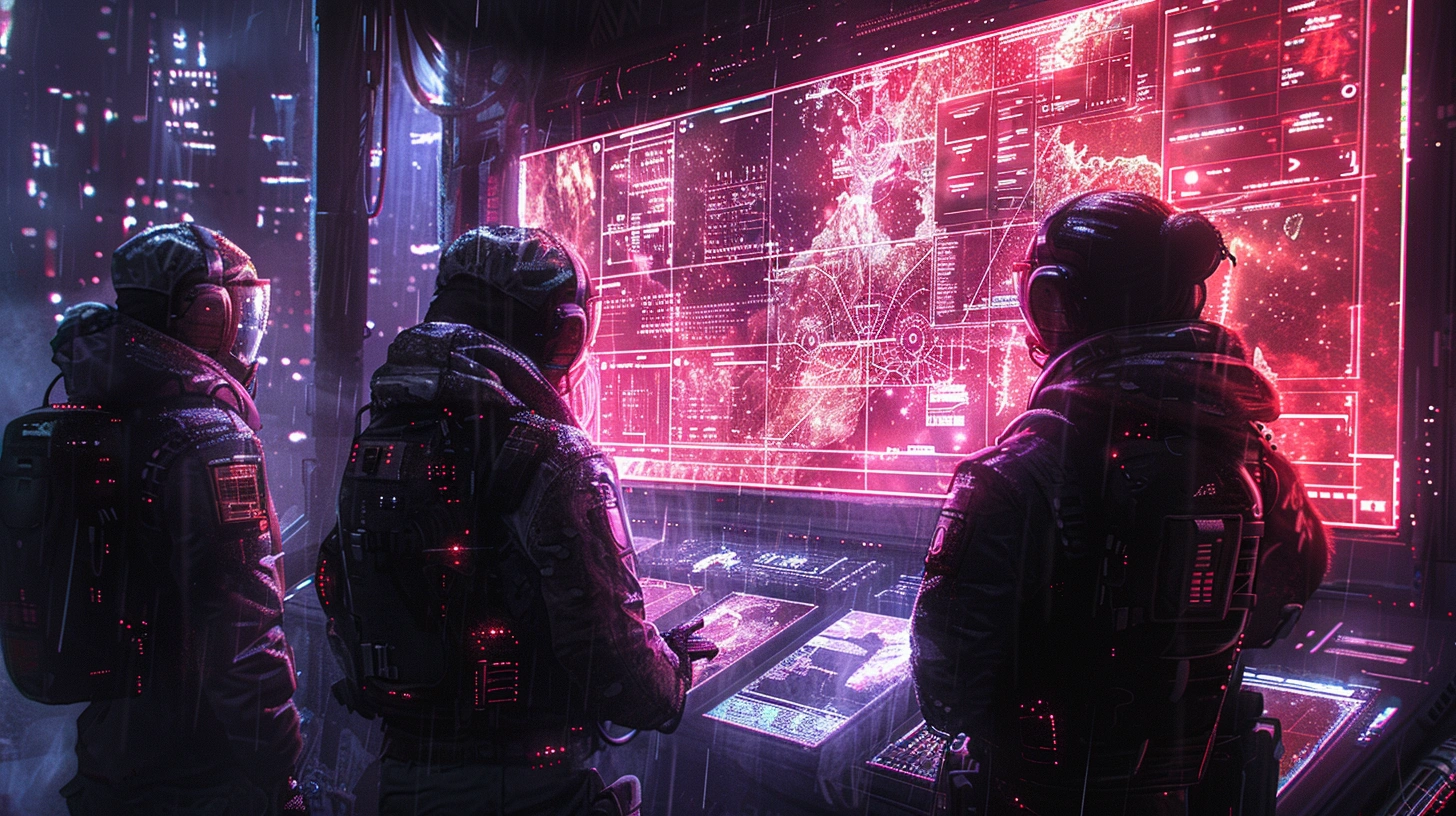
The economic system of Helldivers Web3 includes multiple token types with different roles. A primary token is used for rewards and ecosystem interactions, while additional units support in-game operations.
This structure creates a flexible model where players can earn different types of rewards based on activity. It reduces reliance on a single asset and improves overall stability.
| Token | Type | Function | Feature |
|---|---|---|---|
| HDV | Utility | Main ecosystem token | Used for rewards and progression |
| Credits | In-game | Purchasing items | Limited to the game environment |
| Reward Token | Bonus | Achievement rewards | Linked to player performance |
Maintaining balance in the economy requires constant adjustments. Resource distribution must reflect player activity to avoid imbalances between gameplay and rewards.
Player behavior is also important. The system must adapt to changes in engagement and preferences. A well-designed economy can support long-term sustainability, while poor balancing may lead to instability.
5. Outlook and Limitations
Helldivers Web3 illustrates a possible direction for the gaming industry. The combination of cooperative gameplay and blockchain elements creates a model where players have more control over outcomes.
The project’s potential lies in attracting both traditional gamers and Web3 users. If blockchain integration remains unobtrusive, it can broaden the audience without alienating players.
However, challenges remain. Development complexity, competition, and maintaining player interest all affect long-term success. Audience response to new mechanics is equally critical.
Overall, Helldivers Web3 can be seen as an experimental model demonstrating how blockchain can complement traditional game design without fundamentally altering it.
Helldivers Web3 represents an attempt to combine intense cooperative gameplay with Web3 capabilities. By preserving the core experience while introducing digital ownership, the project explores a balanced approach to innovation in gaming. Its success will depend on maintaining harmony between gameplay depth and economic systems.











