
The evolution of blockchain gaming is gradually moving the industry away from narrow play-to-earn models toward more flexible formats where culture, social interaction, and community engagement play a central role. Users increasingly expect Web3 projects to offer not only financial incentives, but also clear gameplay, emotional resonance, and opportunities for self-expression. In this context, meme culture becomes a powerful tool capable of uniting audiences around shared symbols and meanings.
League of MEM is formed precisely at this intersection. The project uses memes as the foundation of its game logic, competitive interactions, and economic model, creating a Web3 ecosystem where humor, gameplay, and blockchain technology operate within a single space. This approach allows League of MEM to stand out among traditional GameFi projects and present an alternative vision of blockchain gaming.
Contents
- Concept and Meme Culture of League of MEM
- Game Model and Gameplay Structure
- Web3 Infrastructure and Project Architecture
- Tokenomics and NFT Economy
- Community, Development, and Future Outlook of League of MEM
- Conclusion
1. Concept and Meme Culture of League of MEM
League of MEM is built around the idea of gamifying meme culture. Unlike traditional games where content is fully defined by developers, a significant portion of value here is created by the community itself. Memes function not merely as a visual style, but as a means of communication and self-identification for participants.
The project draws heavily on crypto and internet culture, where memes have long served as a common language and a way to express opinions. This lowers the entry barrier for new users, as they encounter familiar imagery and humor formats. As a result, interaction with the game feels less formal and more intuitive.
Memes within the League of MEM ecosystem evolve alongside community activity, reflecting current trends and the collective mood of the audience. Users effectively become co-creators of the project, influencing its visual and narrative identity. This format strengthens the sense of belonging and supports long-term engagement.
2. Game Model and Gameplay Structure
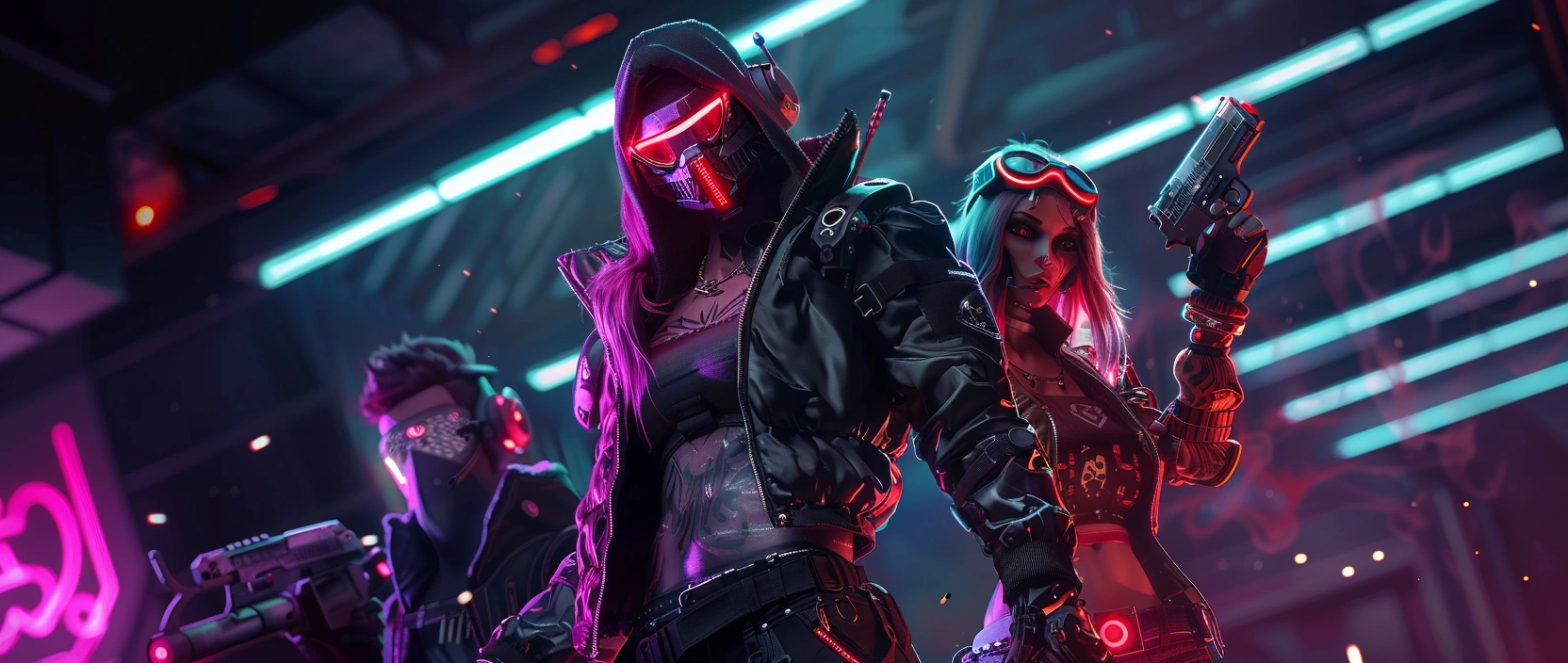
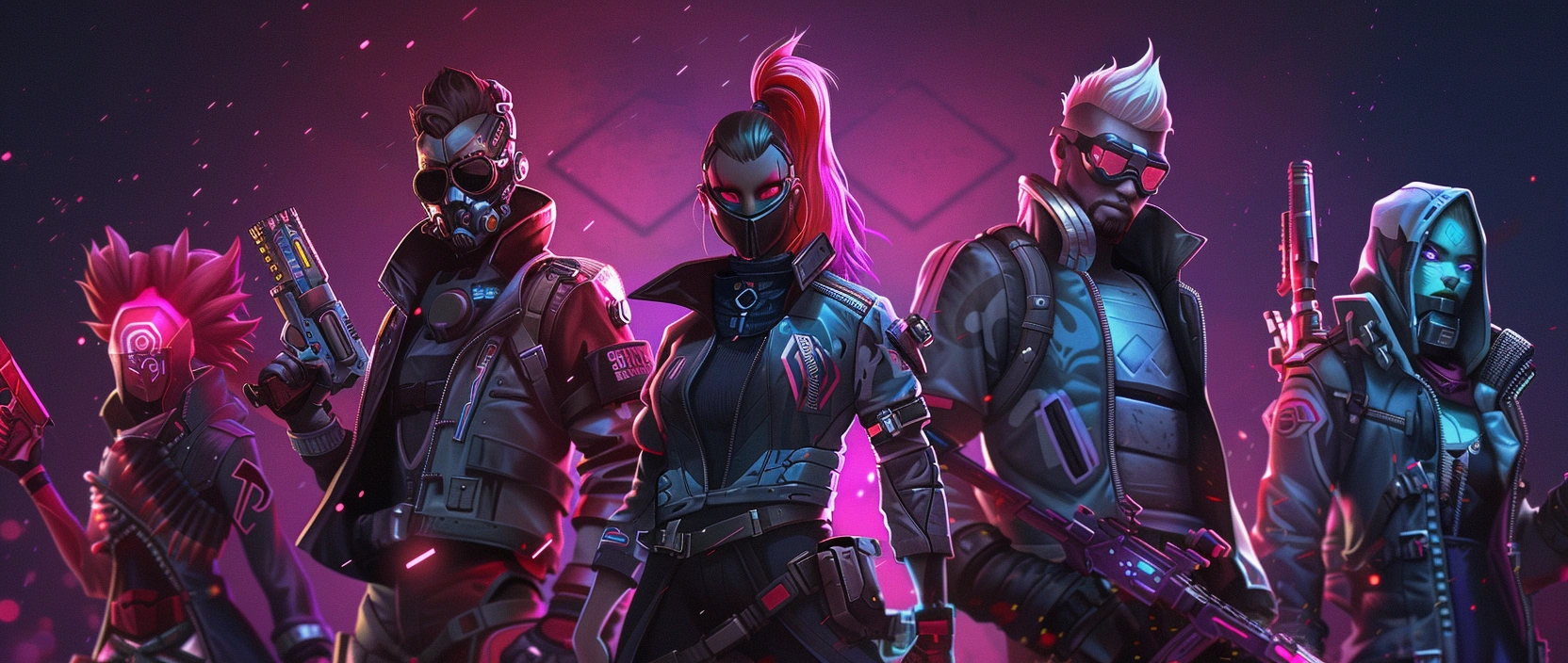
The gameplay of League of MEM is centered around competitive interaction and social dynamics. Players participate in matches and in-game activities using meme-based characters and related mechanics. The format supports both individual playstyles and team-based participation.
The project emphasizes simple rules and clear logic, allowing players to quickly engage without lengthy tutorials. At the same time, situational variability and the influence of other players create room for tactics and experimentation. The meme-driven context reduces excessive seriousness and makes competition more lighthearted and entertaining.
Key Gameplay Elements of League of MEM:
- Competitive matches and interactive game activities
- Use of meme characters with distinct traits
- Individual and team-based participation
- Community-driven events and dynamics
The competitive nature of gameplay is reinforced by its social layer, where memes shape the emotional atmosphere of matches. Wins and losses are perceived more casually than in traditional games, reducing burnout. This model encourages regular participation without requiring repetitive grinding.
3. Web3 Infrastructure and Project Architecture
League of MEM utilizes blockchain as an infrastructure layer that ensures transparency and digital ownership. All key in-game assets and results are recorded on-chain, allowing players to retain control over their progress and digital items.
The project’s architecture prioritizes user convenience. Most technical processes are hidden behind the interface, with blockchain interactions occurring automatically. This significantly lowers the entry barrier and makes the game accessible to users without technical expertise.
Smart contracts are used to manage the economy, distribute rewards, and validate in-game actions. This approach minimizes human intervention and increases trust in the system. As a result, Web3 functions as a service layer rather than a complex technical burden.
4. Tokenomics and NFT Economy
The economic model of League of MEM is based on a combination of a native token and NFT assets. The token is used for participation in gameplay, earning rewards, and interacting with the ecosystem. NFTs represent meme characters and other unique digital elements.
| Element | Role in the Ecosystem |
|---|---|
| Native Token | Game operations, rewards, and economic participation |
| NFT Characters | Playable entities and digital ownership |
| In-Game Rewards | Motivation for activity and progression |
The tokenomics are designed for long-term sustainability rather than short-term speculation. Spending mechanisms and controlled issuance aim to balance supply and demand. NFTs serve both collectible and gameplay-related functions, while the project seeks to avoid a strict pay-to-win structure.
5. Community, Development, and Future Outlook of League of MEM
The community plays a central role in the League of MEM ecosystem. User activity directly influences meme popularity, gameplay scenarios, and the overall direction of the project. This creates a living environment that evolves together with its audience.
Project development follows a gradual, feedback-driven approach. New game modes and economic features are introduced step by step, helping to preserve balance and adapt to player behavior.
In the long term, League of MEM may occupy a niche of culturally driven Web3 games where value is created through collective participation. This format increases resilience to market fluctuations and enhances the project’s social relevance.
6. Conclusion
League of MEM demonstrates an alternative approach to blockchain gaming in which meme culture is not a decorative layer, but the foundation of the entire ecosystem. The project combines competitive gameplay, Web3 infrastructure, and social interaction into a unified model.
A balanced economy, community-oriented design, and an accessible format make League of MEM a representative example of GameFi evolution. With consistent development, the project has the potential to become a notable representative of the next generation of meme-oriented Web3 games.
By using memes as a communication tool, the project lowers engagement barriers and makes interaction more natural for a broad audience. Social dynamics increase the value of participation, transforming the game into a space for collective creativity rather than pure competition. In the long run, League of MEM may become a platform where gameplay mechanics and internet culture evolve together, strengthening the sustainability of the ecosystem.











