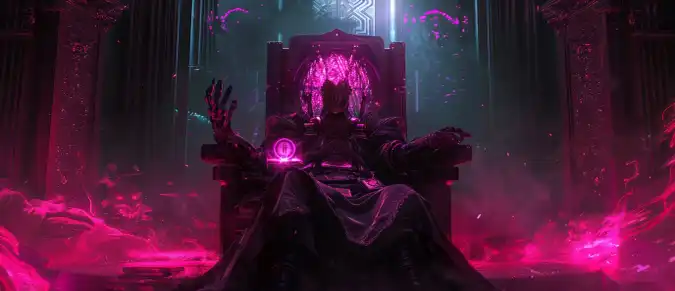

Ancient Realms is a browser-based blockchain RPG built around the concept of true ownership of in-game assets. The project combines classic role-playing mechanics with the capabilities of a decentralized economy, allowing players not only to consume content but to create value within a digital world. The use of NFTs, in-game tokens, and an open marketplace makes Ancient Realms a strong example of the evolution of the play-to-earn model.
Table of Contents
- The Concept and Philosophy of Ancient Realms
- Gameplay and Core Game Mechanics
- Economy and In-Game Tokens
- NFTs and the Role of Blockchain
- The Development of Ancient Realms and Final Thoughts
1. The Concept and Philosophy of Ancient Realms
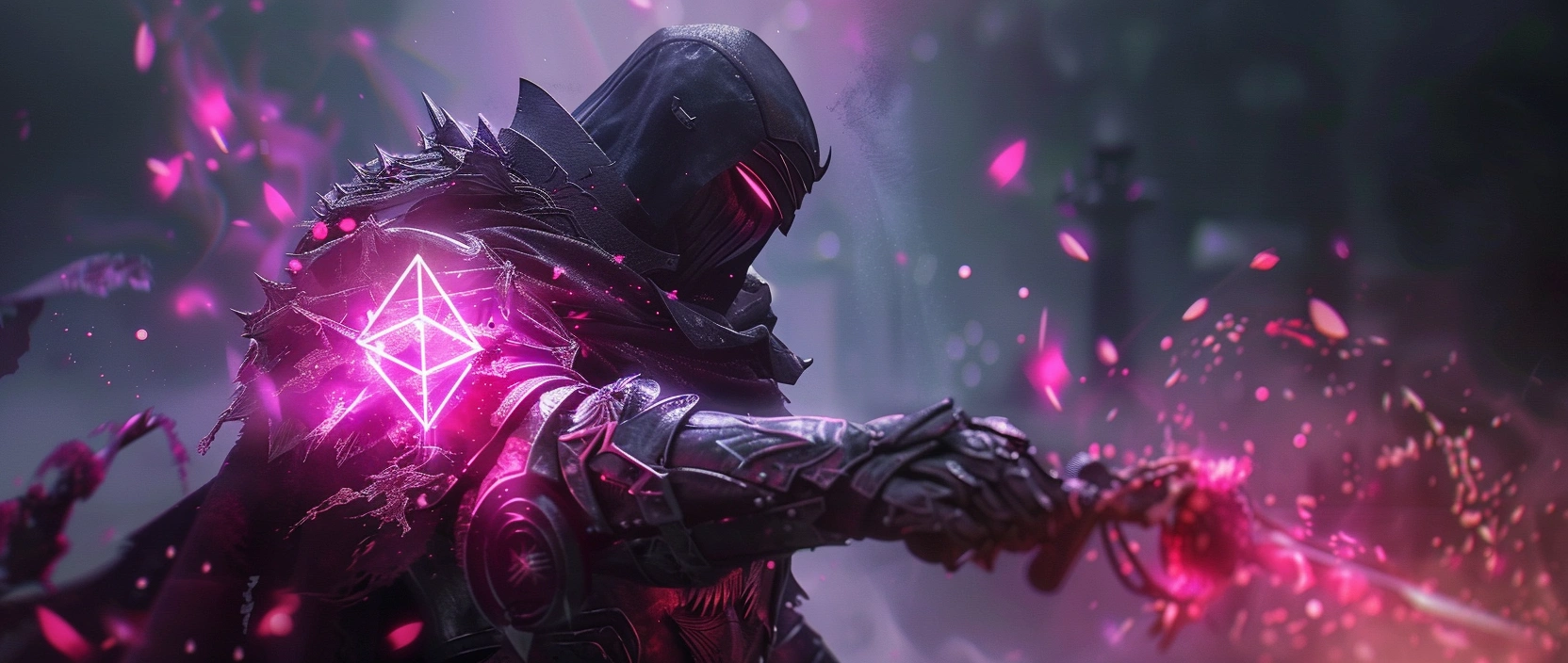
Ancient Realms was designed as a game in which value is created through the actions of the players themselves. Unlike traditional RPGs, where items and currencies exist solely within the developer’s server infrastructure, all key elements here are moved into a blockchain environment. This means that equipment, resources, and tokens belong to users at a technological level rather than through conditional game rules.
The core idea of the project lies in combining long-term character progression with a sustainable economic system. Players gradually strengthen their heroes, explore new regions, and earn rewards that can be used both inside and outside the game. This approach encourages a more conscious attitude toward gameplay and promotes strategic decision-making.
Ancient Realms is designed for a broad audience: entry does not require installing a client, and interaction with blockchain technology is intentionally simplified. This significantly lowers the barrier to entry for users who have not previously interacted with Web3 projects.
Additionally, the project’s philosophy assumes minimal developer intervention in the economy once the core mechanics are launched. This allows the market to regulate the value of items and resources independently. Such a model increases player trust and makes the ecosystem more resilient. In the long term, this approach contributes to the formation of a self-regulating game world.
2. Gameplay and Core Game Mechanics
The gameplay is built around world exploration, combat encounters, and resource management. All actions are interconnected and directly influence character development. To progress, players must take into account the condition of their equipment, token reserves, and the current attributes of their hero.
- Battles with monsters and bosses to gain experience and rewards
- Traveling between locations with the consumption of in-game resources
- Character development through upgrading equipment and attributes
- Collecting auxiliary resources required to sustain progression
Each mechanic reinforces the others: without resources, a character cannot remain combat-ready, and without victories in battle, access to more valuable items remains locked. This balance makes the gameplay consistent and logically structured.
The pace of the game also plays an important role. Most actions require time or preparation, reducing the impact of aggressive farming. This creates a more even progression curve and narrows the gap between new and experienced players. As a result, gameplay feels strategic rather than mechanical, increasing long-term engagement.
3. Economy and In-Game Tokens
The economic model of Ancient Realms is based on multiple tokens, each serving a clearly defined function. This structure reduces inflationary risks and allows for flexible regulation of the balance between resource generation and consumption.
| Token | Purpose | Role in the Economy |
|---|---|---|
| ARGOLD | Primary currency | Used for travel and access to game content |
| ARFISH | Recovery | Allows players to heal their character after battles |
| ARIRON | Maintenance | Used to repair equipment and tools |
Tokens are earned exclusively through gameplay, which encourages active participation and reduces dependence on external capital inflows. Limited token supply creates scarcity and supports asset value over the long term.
It is important to note that each token is tied to a specific type of activity, preventing universal usage. This design increases the importance of different playstyles and in-game roles. The economy does not reward passive accumulation without engagement. As a result, the value of resources is directly linked to player involvement.
4. NFTs and the Role of Blockchain
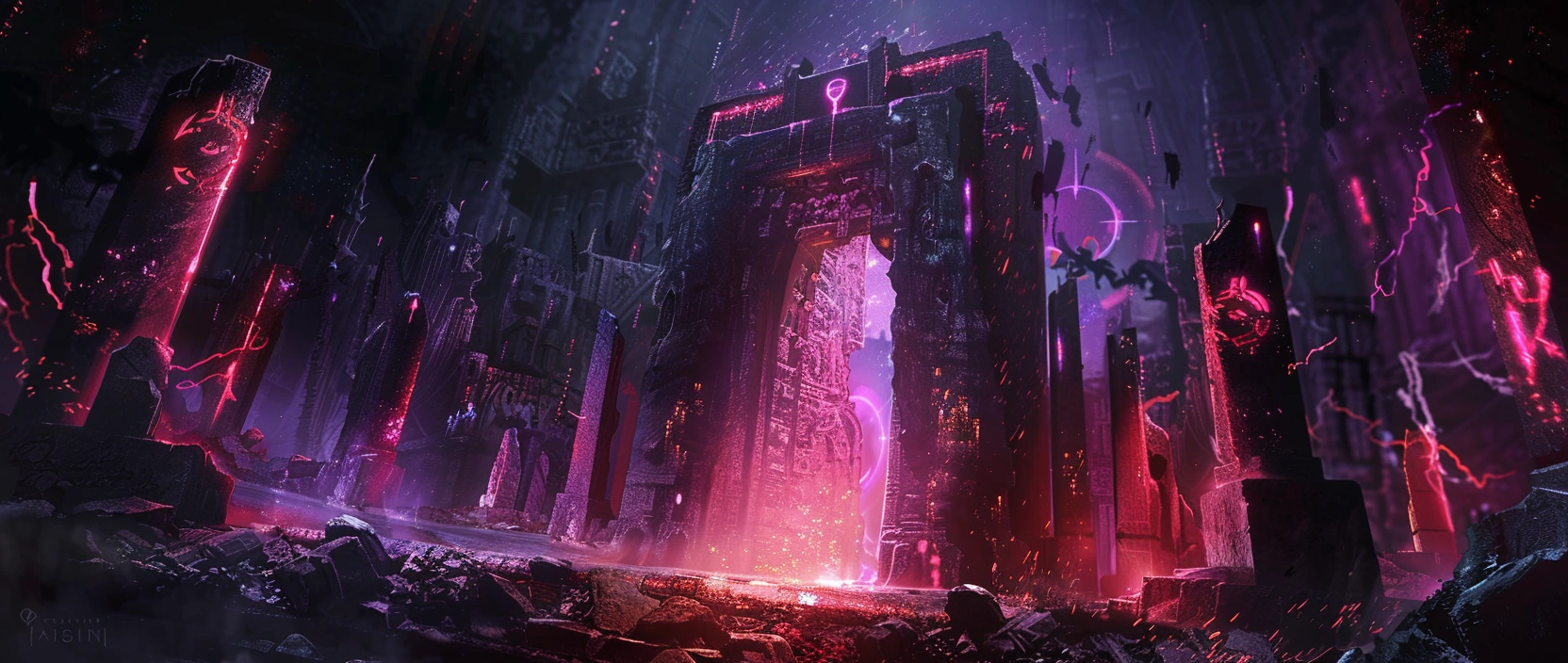
NFTs form the foundation of the entire Ancient Realms ecosystem. Weapons, armor, and tools are represented as unique tokens that can be upgraded, traded, or sold on external marketplaces. This transforms in-game progression into a tangible digital asset.
Blockchain technology ensures transparency across all operations: ownership history and transactions can be verified, while the risk of item loss due to server shutdowns is minimized. Players gain real control over their assets, which clearly distinguishes the project from traditional online games.
This approach creates an open economy where value is determined by supply and demand rather than administrative decisions made by developers.
Furthermore, the NFT system enables the growth of a secondary market without direct involvement from the development team. Users independently determine the value of rare items. This strengthens the sense of ownership and responsibility for assets, allowing gameplay to extend beyond a single platform.
5. The Development of Ancient Realms and Final Thoughts
Ancient Realms is being developed as a long-term project with a focus on gradual content expansion and continuous balancing of existing mechanics. Active interaction with the community helps account for real usage scenarios and refine the economic model.
Overall, the game demonstrates how blockchain technology can be integrated into an RPG without compromising gameplay quality. The project appeals both to players seeking deep character progression and to users who view digital assets as part of a broader gaming ecosystem.
Ancient Realms shows that play-to-earn can be more than just a way to generate income; it can function as a complete game model built on engagement, strategy, and true ownership of progress.
The project’s future largely depends on economic stability and the consistency of updates. If the current approach is maintained, Ancient Realms has the potential to retain audience interest over the long term. This format makes the game competitive within the blockchain RPG segment and positions it as an example of a sustainable Web3 game.











