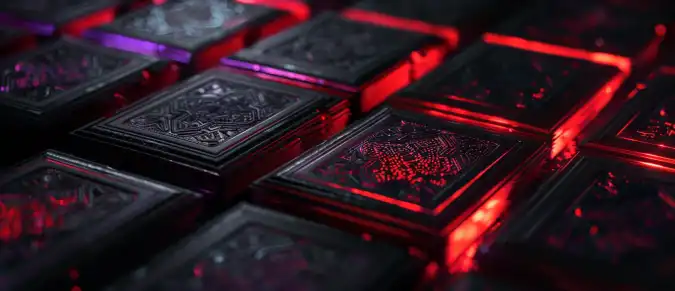

Moon Cards is a unique trading card game built within Telegram by GAMEE (a subsidiary of Animoca Brands), where each card is tied to a real-world memecoin. The power of each card changes daily based on real-time market metrics such as price movements, trading volume, market capitalization, and social media activity. The game is unfolding through multiple stages during 2025 and combines casual mechanics with Web3 features and a future NFT marketplace.
Contents
- What is Moon Cards?
- Launch Phases and Game Mechanics
- Card Attributes, Stars, and Rarity
- Tournaments: PvE and PvP
- Economy and Blockchain Integration
- Comparison with Other Telegram Clickers and TCGs
- Strengths and Future Prospects
- Conclusion

1. What is Moon Cards?
Moon Cards is an innovative collectible card game embedded directly into Telegram, developed by GAMEE. Each card represents an NFT based on real memecoins from networks like Solana, Ethereum, and TON. A key feature is the dynamic Card Score, which updates daily according to live market data—considering price changes, trading volume, market cap, and token activity on social media.
The game officially launched in early access on April 9, 2025. Around 230,000 users gained initial access via pre-registration through the Telegram community. At launch, the game featured 150 unique cards, all obtainable for free without any financial investment.
This model makes Moon Cards appealing to both crypto veterans and Web3 newcomers. With easy access and real market influence on gameplay, the project stands out among next-gen Telegram games.
2. Launch Phases and Game Mechanics
Moon Cards follows a structured, phased launch throughout 2025, gradually expanding from simple collecting to advanced strategic and economic gameplay. Each phase introduces new features while preserving accessibility for both casual players and Web3 enthusiasts.
The launch phases include:
-
Moonrise (Collect & Merge):
The starting phase, currently live. Players open booster packs (e.g., “FOMO”, “LFG!”), collect memecoin-based cards, and merge duplicates to create randomized upgraded cards. This phase builds the foundation for future strategies and deck construction. -
Meme Wars (AI Battles):
Introduces a PvE mode where players battle AI “meme bosses.” Decks must stay within a star value cap, adding a layer of tactical planning. Victories grant Shillbucks — the in-game currency used for card upgrades and merging. -
Degen Showdown (PvP Tournaments):
A competitive PvP mode where players build five-card decks based on memecoin market predictions. Tournaments include standard and reverse formats — in the latter, the lowest card score wins — adding a twist to strategy and forecasting. -
Lunar Marketplace:
The final stage introduces a full-fledged NFT marketplace. Players will be able to buy, sell, and trade cards with blockchain-backed ownership, enabling real value and digital asset exchange.
This phased design ensures smooth onboarding while gradually introducing deeper layers of gameplay and blockchain functionality, evolving Moon Cards into a fully integrated Web3 experience.
3. Card Attributes, Stars, and Rarity
Moon Cards features a set of key attributes that define each card's power, strategic value, and rarity. These metrics are tied directly to the memecoin market, making gameplay responsive and real-time.
Main Card Attributes
| Attribute | Description |
|---|---|
| Card Score | Updated daily. 70% depends on token price change, 10% on market cap, 10% on trading volume, and 10% on social media activity. |
| Star Value | Ranges from 1 to 8 stars. Determines tournament eligibility. High-score cards typically have fewer stars to maintain balance. |
| Rarity Multiplier | Score multiplier based on rarity: Common ×1, Rare ×2, Epic ×3, Legendary ×5. Rarer cards offer more impact. |
| Drop Rates | LFG! packs offer ~1% chance for Legendary, FOMO packs ~0.5%. Merge odds reflect LFG! stats: Common – 79%, Rare – 16%, Epic – 4%, Legendary – 1%. |
This system builds a balanced and evolving meta where success hinges not only on card rarity but also market awareness and strategic planning. Both collectors and crypto-savvy players are rewarded through dynamic mechanics that mirror real-world memecoin behavior.
4. Tournaments: PvE and PvP
Competitive gameplay is central to Moon Cards. Two key modes test forecasting skills and strategy while providing rewards through in-game currency and progression.
Available Tournament Modes
- Meme Wars (PvE) – Fight AI meme bosses to earn Shillbucks, used for card merges and other in-game utilities.
- Degen Showdown (PvP) – Face real players in tournaments based on memecoin market movement. “Reverse” rules may apply, rewarding the lowest total score.
This dual-structure allows casual players to engage via PvE while market analysts can prove themselves in high-stakes PvP environments.

5. Economy and Blockchain Integration
Moon Cards creates a unique synergy between gameplay and crypto market dynamics. With real-time adjustments to Card Score based on memecoin data, players are incentivized to track market movements and adjust their decks accordingly.
The upcoming Lunar Marketplace marks a shift toward full Web3 functionality. NFT card trading will enable ownership validation, rarity verification, and liquidity for collectibles, empowering users with true digital ownership.
Rather than simulating a crypto economy, Moon Cards builds a real one—where every decision may lead to acquiring meaningful blockchain assets, supporting a “play-and-own” model native to Web3 ecosystems.
6. Comparison with Other Telegram Games and TCGs
Moon Cards sets itself apart by directly integrating memecoin data into gameplay. The daily recalculation of Card Score based on price, volume, market cap, and social metrics encourages players to base strategy on real-world trends.
With the launch of Lunar Marketplace, cards gain NFT status and real tradable value. This elevates gameplay progression into true economic participation.
Ultimately, Moon Cards is more than a Telegram-based TCG. It’s a hybrid of prediction market, collectible strategy, and digital ownership inside a Web3 framework.
7. Strengths and Future Outlook
The project is built on the robust infrastructure of Telegram and GAMEE’s proven expertise in Web3 game deployment, particularly in the TON ecosystem. This makes it accessible to a broad audience from the start.
The referral-based invite system ensures seamless onboarding without crypto prerequisites, helping grow a large user base organically.
Its layered gameplay—from collection to tournaments to a full NFT economy—caters to both casual players and seasoned crypto users. Combining low entry barriers with long-term blockchain value creates a versatile and appealing game loop.
Retention is enhanced by Shillbucks rewards, seasonal challenges, merging mechanics, and referral bonuses. These gamified features strengthen engagement and position Moon Cards as a prominent contender in the evolving Web3 gaming space.
8. Conclusion
Moon Cards isn’t just a Telegram-based card game; it’s a dynamic blend of TCG mechanics, real-time market data, and NFT utility. With each card tied to memecoin trends, players are challenged to forecast market behavior while building competitive decks.
Easy access via Telegram and phased rollout—from collection to NFT trading—ensure wide adoption. The economy’s foundation in blockchain technology, along with gameplay depth, positions Moon Cards as both a casual experience and a crypto-powered strategy platform.
Backed by Animoca Brands and GAMEE, and poised to activate full NFT trading, Moon Cards could become a mainstream on-ramp into Web3 gaming—where every card represents not just strategy, but real value.











