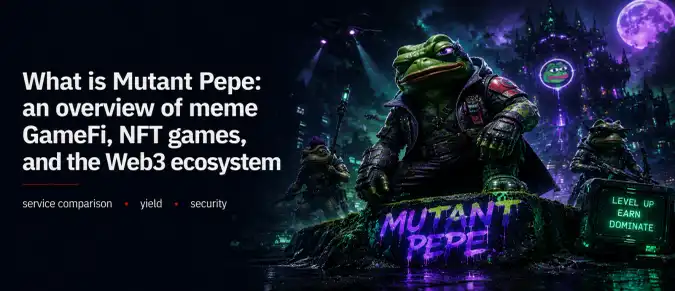

Mutant Pepe is a Web3 project that combines elements of meme culture, GameFi, NFTs, and a tokenized gaming economy. The concept is built around the well-known internet character Pepe, reimagined as a "mutant" version used throughout the project's gaming ecosystem. The platform belongs to the meme GameFi category, where entertainment is combined with blockchain infrastructure, digital assets, and community-driven engagement. This model reflects the broader trend in blockchain gaming, where meme branding attracts users while gameplay mechanics create additional utility for digital assets.
- What Is Mutant Pepe and How Does Meme GameFi Work?
- Mutant Pepe Gaming Ecosystem
- Mutant Pepe Tokenomics and Digital Assets
- How Mutant Pepe Compares to Other GameFi Projects
- Mutant Pepe Future Outlook and Potential Risks
1. What Is Mutant Pepe and How Does Meme GameFi Work?
Mutant Pepe belongs to the meme GameFi sector—a segment of the cryptocurrency industry that combines meme tokens, blockchain gaming mechanics, NFTs, and Web3 technologies. Unlike traditional meme coins, projects in this category aim to provide additional functionality through NFT ownership, gameplay, and community participation within their own ecosystems.
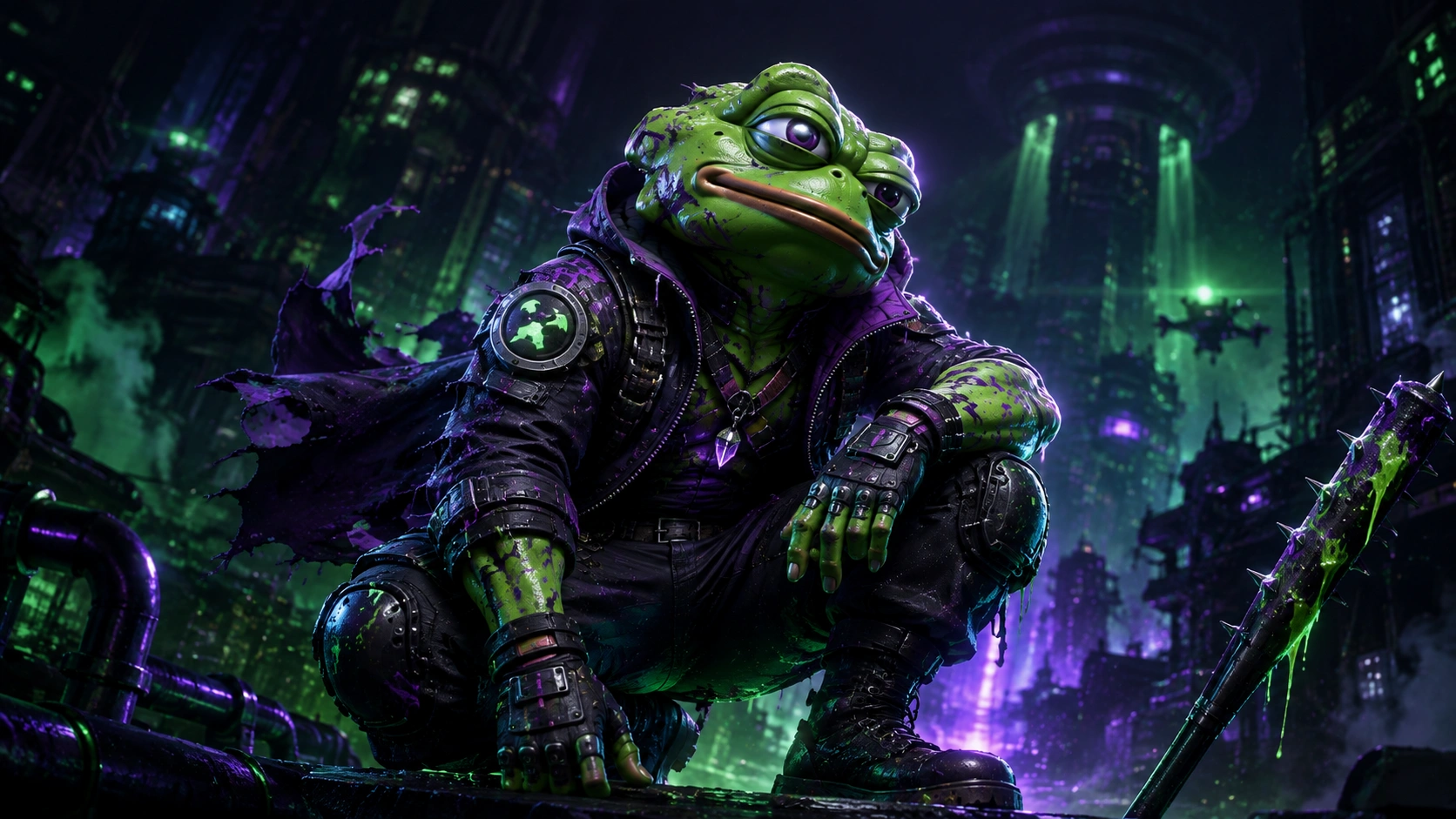
The project is inspired by the recognizable Pepe the Frog character but introduces its own artistic interpretation of both the characters and the game world. Meme culture serves as a tool for community building, while blockchain technology provides transparent ownership of digital assets, secure transactions, and verifiable ownership of in-game items.
According to the project's published documentation, the ecosystem is designed around a combination of gameplay modes, NFT characters, an in-game economy, and the MUTANT token. Its overall architecture follows the modern Web3 gaming model, where digital assets belong to players rather than being controlled by a centralized game publisher.
2. Mutant Pepe Gaming Ecosystem
GameFi projects are built around digital economies where in-game achievements can be connected to blockchain-based assets. Mutant Pepe follows this approach by combining collectible NFTs, gameplay mechanics, and community-driven participation within a unified ecosystem.
Unlike traditional online games, digital assets in Web3 ecosystems can be fully owned by players through NFTs and smart contracts. This allows users to store, transfer, and utilize their digital collectibles according to the mechanics supported by the platform. As development continues, additional game modes and ecosystem features may further expand the utility of these assets.
Key components of the ecosystem include:
- NFT characters with unique attributes.
- Game modes that utilize blockchain-based digital assets.
- Staking and various mechanisms for earning in-game rewards.
- A community of token holders and NFT owners.
- Metaverse expansion and additional gameplay features outlined in the project's roadmap.
This architecture reflects the broader evolution of the GameFi industry, where users simultaneously act as players, owners of digital assets, and participants in the project's economy. The implementation of individual gameplay features depends on future development milestones and ecosystem updates.
The interaction between these components creates the project's internal economy, where tokens, NFTs, and gameplay mechanics are closely interconnected. As new features are introduced, developers may expand the number of use cases for digital assets, which has become a common practice across modern Web3 gaming ecosystems.
3. Mutant Pepe Tokenomics and Digital Assets
The economic model of Mutant Pepe is built around the MUTANT token, which serves as the primary utility asset within the ecosystem. According to publicly available information, the token supports several functions, including participation in the in-game economy, NFT interactions, staking mechanisms, and selected reward systems for users.
The ecosystem also incorporates NFTs representing playable characters and collectible digital items. Thanks to blockchain standards, users can independently store these assets in compatible cryptocurrency wallets while maintaining full ownership.
| Component | Purpose |
|---|---|
| MUTANT Token | Primary digital asset powering the in-game economy |
| NFTs | Collectible characters and in-game digital assets |
| Staking | Allows users to participate in reward-generating mechanisms |
| Gameplay Activities | Utilization of blockchain assets throughout the GameFi ecosystem |
| Community | Supports ecosystem growth and participant engagement |
It is important to note that the existence of a utility token and NFTs alone does not guarantee the long-term economic sustainability of a project. The value of digital assets depends on market liquidity, user activity, and the continued development of the ecosystem.
Beyond these individual components, maintaining a balance between gameplay and the internal economy is essential for long-term sustainability. Continuous user growth, regular content updates, and well-designed token utility all play a significant role in determining the future demand for digital assets within the Mutant Pepe ecosystem.
4. How Mutant Pepe Compares to Other GameFi Projects
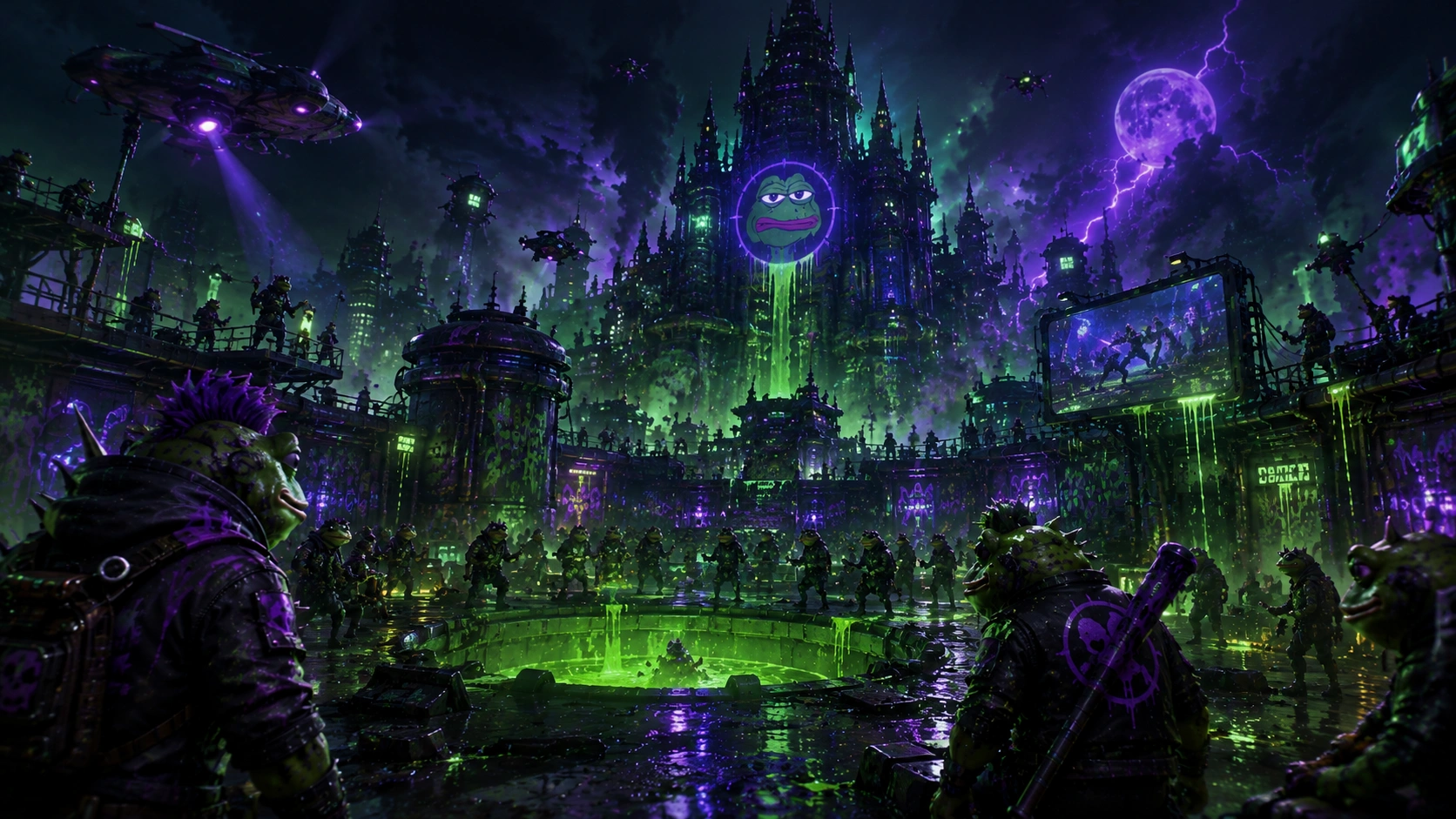
The meme GameFi segment is becoming increasingly competitive as more blockchain projects combine internet meme culture with decentralized gaming experiences. While traditional GameFi projects primarily focus on gameplay mechanics and economic sustainability, meme-based GameFi platforms leverage recognizable internet brands and community engagement as additional drivers of ecosystem growth.
Mutant Pepe brings together several of the cryptocurrency market's most popular trends, including meme tokens, NFTs, GameFi, and decentralized digital economies. Similar combinations can be found across other Web3 gaming projects, although each ecosystem differs in its gameplay mechanics, NFT implementation, token utility, and long-term development strategy.
In recent years, the GameFi industry has gradually shifted away from the original Play-to-Earn model toward more sustainable gaming economies where value is created through engaging gameplay, collectible digital assets, and active community participation. This approach is now widely regarded as one of the defining characteristics of next-generation Web3 games.
Another important trend among modern GameFi projects is the focus on long-term player retention rather than short-term reward mechanisms alone. When evaluating Mutant Pepe alongside similar platforms, it is therefore important to consider not only the popularity of its brand or token, but also the quality of its gameplay, the activity of its community, the transparency of its roadmap, and the consistency of future updates. These factors have a significant impact on the long-term sustainability of any blockchain gaming ecosystem.
5. Mutant Pepe Future Outlook and Potential Risks
The future of projects like Mutant Pepe depends not only on the continued popularity of meme culture but also on the development team's ability to expand and improve the platform over time. In the GameFi sector, long-term success is closely tied to gameplay quality, user engagement, content updates, token liquidity, and sustained demand for NFT assets.
Potential risks include the high volatility commonly associated with meme tokens, changing market sentiment, fluctuations in community interest, and the highly competitive nature of the Web3 gaming industry. In addition, investors and players should carefully evaluate smart contract risks, review the project's technical documentation, and conduct their own research into the tokenomics before participating.
Mutant Pepe represents an attempt to combine the popularity of internet meme culture with blockchain-based gaming mechanics and digital ownership. This model aligns with current GameFi trends, where NFTs, tokenized economies, and player-owned digital assets form the foundation of modern Web3 gaming ecosystems. The project's long-term success will ultimately depend on the execution of its roadmap, the introduction of new gameplay features, continued community engagement, and the sustainability of its economic model.











