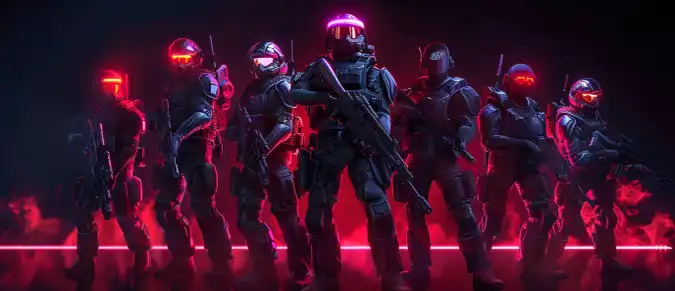

Outlaw Troopers is a blockchain-based game set in a science-fiction universe, combining tactical gameplay, squad management, and a system of digital ownership. The project places players in the role of mercenary commanders operating in an unstable galaxy, where control over resources and territories determines survival. By using NFT characters, tokenized equipment, and Web3 infrastructure, the game creates a long-term gameplay loop in which every decision directly affects squad development and the player’s economic position.
Contents
- The Concept of Outlaw Troopers and the Structure of Its Game World
- Tactical Gameplay and Combat System in Outlaw Troopers
- NFT Characters, Equipment, and Progression
- Economic Model and Web3 Infrastructure
- Community, Project Development, and Future Outlook
- Conclusion

1. The Concept of Outlaw Troopers and the Structure of Its Game World
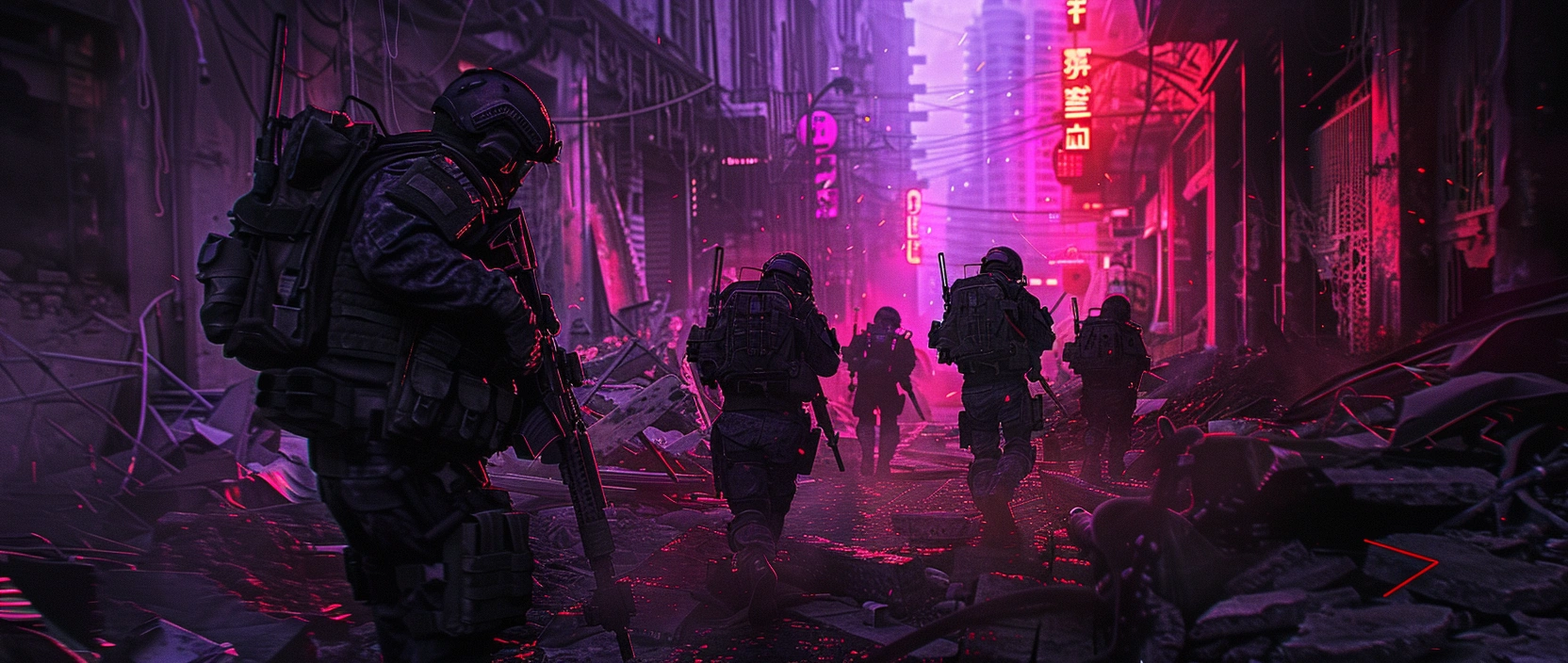
The universe of Outlaw Troopers is built around the idea of constant conflict between corporations, factions, and independent mercenary squads. The game world consists of multiple zones with varying threat levels, available resources, and strategic importance. The player does not act as a lone hero, but as a commander making decisions at the squad level.
The narrative background provides context for missions and conflicts without forcing players into rigid storylines. Users decide which contracts to accept, what risks to take, and how to develop their squad. This freedom enhances immersion and emphasizes the importance of strategic thinking.
The Web3 component is integrated directly into the world’s structure. Characters, weapons, and core progression elements exist as digital assets, reinforcing the sense of persistence and value in achieved progress. The world evolves based on player activity, while the economy responds dynamically to supply and demand.
An additional layer of immersion is created through the faction-based structure of the universe, where different groups offer alternative missions and cooperation terms. This expands gameplay variety and enables distinct playstyles. Players may choose aggressive expansion or focus on survival and resource accumulation. Such an approach significantly increases replayability and long-term engagement.
2. Tactical Gameplay and Combat System in Outlaw Troopers
The gameplay of Outlaw Troopers revolves around tactical combat missions, where success depends on preparation and proper role distribution rather than raw reaction speed. Players command a squad, determining positioning, target priorities, and the sequence of actions.
Each mission introduces unique conditions, including enemy types, environmental features, and secondary objectives. This requires flexibility and constant adaptation. Poor squad composition or equipment choices may result in resource losses or mission failure.
Key Combat System Features:
- tactical encounters with a strong emphasis on positioning;
- simultaneous control of multiple squad members;
- use of active and passive abilities;
- a wide variety of enemies and mission scenarios;
- gradual increase in difficulty.
The combat system rewards careful planning and experimentation with tactics. Players must consider not only individual character statistics, but also interactions between squad members. Effective role synergy minimizes losses and improves efficiency. As a result, each battle becomes a product of analysis rather than repetitive mechanical actions.
3. NFT Characters, Equipment, and Progression
The core of progression in Outlaw Troopers is built around NFT characters—fighters with unique attributes, classes, and ability sets. Each character fulfills a specific role within the squad, directly influencing overall combat effectiveness.
The NFT status of characters grants full ownership of assets. Players can store fighters in their wallets, transfer them, or trade them on external marketplaces. This adds tangible economic value and strengthens player attachment to their squads.
Equipment plays an equally important role. Weapons, armor, and modifiers alter character statistics and allow players to adapt their playstyle to different mission requirements. Combining gear with abilities unlocks additional tactical options.
An additional layer of progression comes from character specialization. Over time, players develop fighters for specific roles and mission types, enhancing internal squad synergy. This approach makes progression more meaningful and reduces reliance on generic, less efficient builds. Growth is felt qualitatively rather than purely numerically.
4. Economic Model and Web3 Infrastructure
The economy of Outlaw Troopers is focused on the utilitarian use of digital assets. Tokens and NFTs primarily function as gameplay tools rather than speculative instruments. This design helps maintain balance and sustain long-term player interest.
In-game resources are used to upgrade characters, unlock missions, and maintain equipment. Web3 infrastructure ensures transparent ownership and asset security by recording key operations on the blockchain.
Core Economic Elements of Outlaw Troopers
| Element | Function in the Game |
|---|---|
| NFT Characters | Squad fighters with unique attributes and digital ownership. |
| Equipment | Enhances statistics and adapts squads to tactical challenges. |
| In-Game Resources | Used for upgrades and access to content. |
| Marketplaces | Enable trading and transferring digital assets. |
| Web3 Infrastructure | Provides transparency and protection of player rights. |
The economic system is designed for long-term participation. Players gain value not through short-term rewards, but through gradual accumulation and development of assets. This reduces inflation of in-game items and supports a stable pace of growth without sharp imbalances.
5. Community, Project Development, and Future Outlook
The Outlaw Troopers community plays an active role in shaping the ecosystem. Players share strategies, test new mechanics, and influence balance through feedback, contributing to organic project development.
The development team follows a phased update strategy, gradually expanding features and content. This approach helps maintain stability while keeping the audience engaged.
In the future, the project may introduce new modes, including PvP and cooperative scenarios, as well as deeper economic integration. These additions could further increase engagement and enhance the value of in-game assets.
Additional plans include expanding social mechanics, such as squad interactions and cooperative events. This would strengthen the sense of belonging within the game world. Gradual feature expansion allows the project to adapt to player expectations, positioning Outlaw Troopers as a sustainable Web3 title with long-term potential.
6. Conclusion
Outlaw Troopers is a tactical Web3 game focused on strategy, squad management, and digital ownership. The project demonstrates how blockchain technologies can enhance gameplay organically without disrupting balance. Thanks to its thoughtful mechanics, NFT-based characters, and sustainable economic model, the game stands out among simplified GameFi solutions and establishes a strong foundation for long-term growth and an active community.
In the long run, the project may serve as a reference point for tactical Web3 games that emphasize depth and meaningful progression. Its phased development approach and close interaction with the community increase ecosystem resilience. This makes Outlaw Troopers a promising example of how blockchain gaming can evolve beyond purely financial-driven models.











