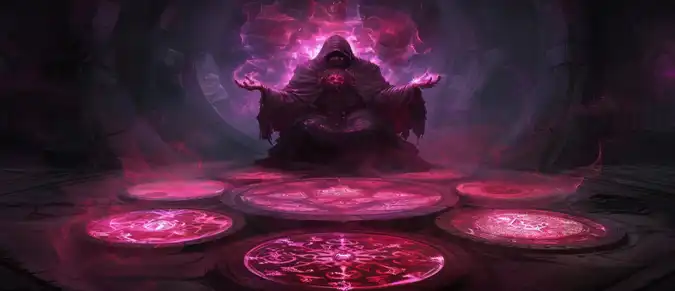

Shard Legends: Genesis Era is a blockchain RPG that combines elements of strategy, collecting, and tactical combat with Web3 capabilities. The project emphasizes meaningful gameplay, where character development, tactical choices, and long-term planning play a decisive role. Blockchain technology is used here as a tool to secure true asset ownership and create a transparent in-game economy.
Unlike many crypto games focused on fast earnings, Shard Legends aims to preserve the classic spirit of RPGs. NFTs and tokens are integrated into the progression system in a way that enhances the value of achievements rather than replacing the gameplay itself. Additional attention is given to player balance and gradual content progression. This makes Genesis Era appealing both to traditional RPG fans and to the Web3 audience seeking more mature projects.
Contents
- Project Concept and Philosophy
- The Game Universe and Genesis Era Lore
- Gameplay and Strategic Mechanics
- NFTs, Tokenomics, and the Shard Legends Economy
- Future Development and Conclusion
1. Project Concept and Philosophy
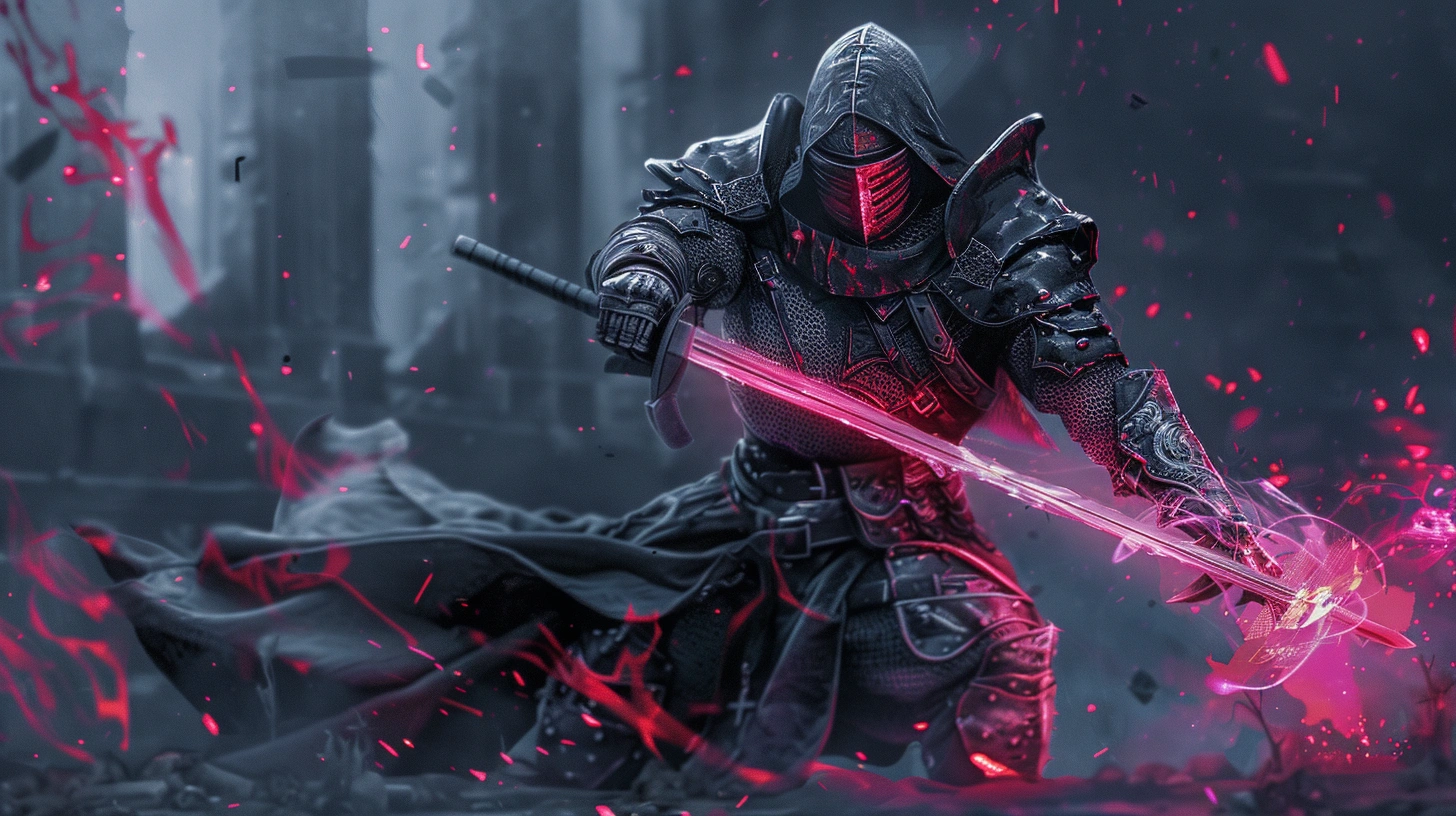
At the core of Shard Legends: Genesis Era lies the idea of combining traditional RPG gameplay with the principles of decentralized ownership. Characters, equipment, and key resources are represented as digital assets, allowing players to retain control over the results of their progress. This approach encourages a more responsible attitude toward character growth and strategic decision-making.
The project’s philosophy is built around the play-and-own model. Players do not simply complete content, but shape their own path within a shared ecosystem. The economy and balance are designed so that skill and tactics remain more important than the size of one’s investment. This approach lowers the entry barrier and makes the game fairer for a wider audience.
Genesis Era is viewed by the developers as a starting chapter. From the outset, the project lays the foundation for expanding the universe, introducing new modes, and gradually deepening its mechanics. In addition, the long-term vision includes active collaboration with the community. This allows the project to adapt to real player expectations over time.
2. The Game Universe and Genesis Era Lore
The world of Shard Legends is built around shards of power known as Shards, which determine the balance and conflicts between factions. Genesis Era describes the formative stage of this world, when the foundations of civilizations and future confrontations are established. The lore is closely connected to gameplay systems and influences character choices and strategic approaches.
Each faction features its own philosophy, visual identity, and combat style. These differences are reflected not only in the narrative, but also in mechanics that shape distinct playstyles. The story unfolds gradually through quests, descriptions, and in-game events, maintaining player interest in exploring the world.
Key Features of the Game World
- a fantasy universe built around an epic conflict;
- multiple factions with unique ideologies;
- gradual lore discovery through gameplay;
- a strong connection between narrative and character progression.
This narrative-driven approach deepens immersion and makes player choices more meaningful. The world feels alive and evolving rather than serving as a static backdrop for battles. As a result, replay value increases, encouraging experimentation with different factions and strategies.
3. Gameplay and Strategic Mechanics
Shard Legends gameplay combines RPG progression, tactical combat, and collecting elements. Players develop heroes, select equipment, and form teams based on ability synergies. Every decision directly affects combat effectiveness and long-term progression.
Progression requires thoughtful planning. Upgrades are not limited to linear stat growth, but instead involve choosing between different development paths. This makes character advancement more meaningful and flexible. Poor decisions can slow progress, increasing the value of experience and knowledge.
Competitive elements complement the single-player content. Players can compare results, participate in challenges, and test different strategies. Balance is maintained through regular updates and analysis of player behavior. This approach helps establish a stable and evolving meta.
4. NFTs, Tokenomics, and the Shard Legends Economy
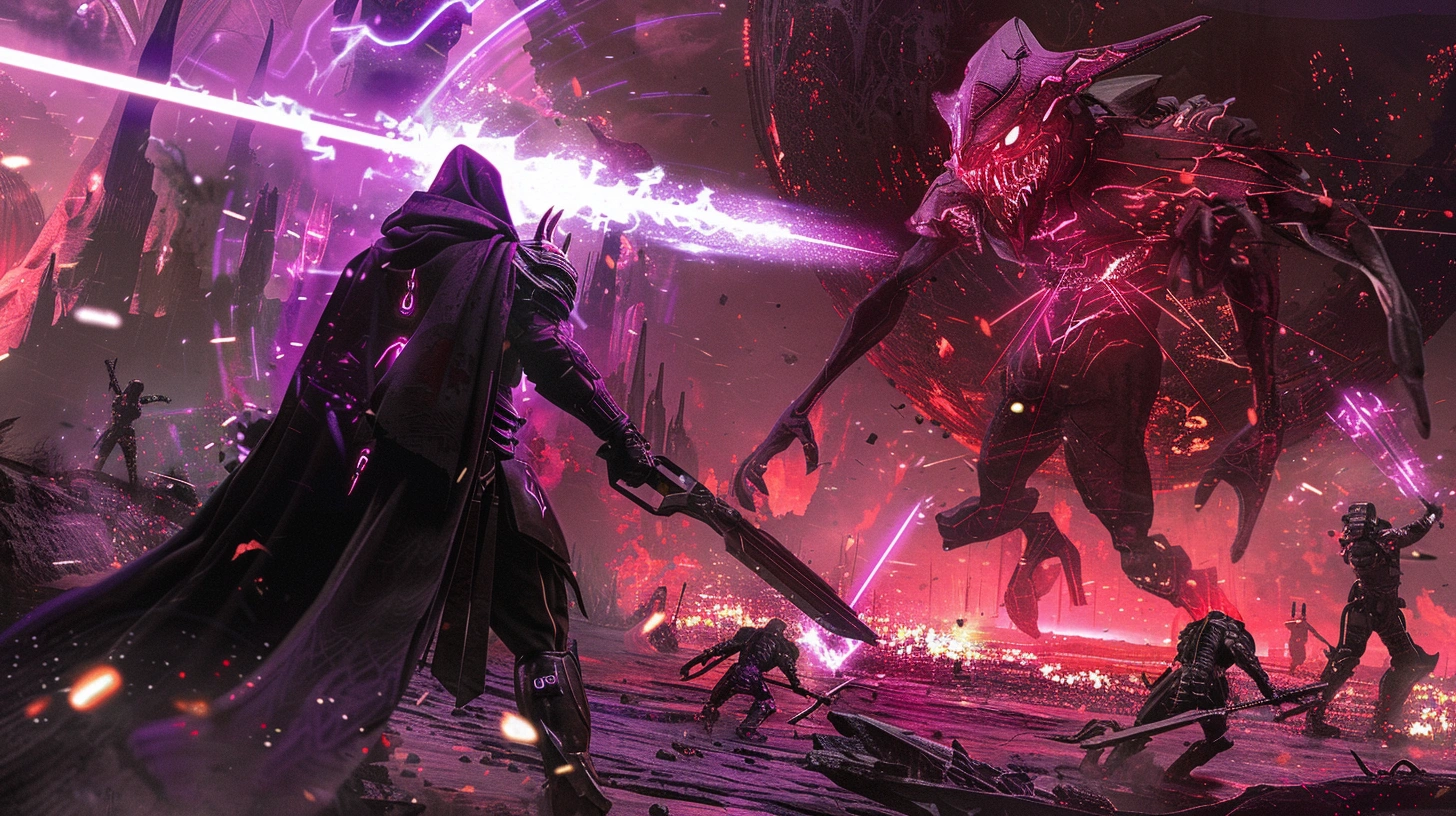
The Shard Legends economy is built around NFTs representing characters, items, and rare resources. These assets have direct gameplay utility and are used within core mechanics. This ensures a tight connection between the economy and the overall gameplay experience.
Tokenomics are designed with long-term sustainability in mind. Rewards are distributed based on activity and contribution to the ecosystem. Controlled issuance mechanisms help reduce inflationary risks. This balance supports stability within the in-game market.
Core Elements of the Project Economy
| Element | Purpose | Player Value |
|---|---|---|
| NFT Characters | Playable heroes | Participation in combat and progression |
| NFT Items | Equipment | Enhancement and customization |
| In-game Tokens | Economy and rewards | Rewards for active participation |
This structure allows the economy to be integrated into gameplay without harming balance. Financial decisions become part of strategic planning rather than a separate speculative layer. As a result, player trust increases and long-term engagement is encouraged.
5. Future Development and Conclusion
Shard Legends: Genesis Era lays the groundwork for a larger and evolving game universe. The team plans to gradually expand content, introduce new modes, and further develop economic systems. This phased approach allows community feedback to be taken into account.
The project is designed for long-term presence within the blockchain gaming sector. The combination of RPG depth, strategic gameplay, and Web3 technologies creates strong potential for sustainable growth. Developers prioritize quality over rapid release cycles.
Ultimately, Shard Legends: Genesis Era can be seen as an example of a balanced blockchain RPG, where technology enhances the gaming experience rather than replacing it. True asset ownership complements gameplay instead of overshadowing it. This approach positions the project as a notable representative of the next generation of Web3 games and provides a solid foundation for future development.











