
Treeverse is a multiplayer online role-playing game designed with a strong focus on exploration, player interaction, and gradual character development. The project combines classic MMORPG mechanics with Web3 capabilities, using blockchain as an infrastructure layer for true digital asset ownership. At the same time, the technology remains in the background and does not interfere with the core gameplay experience.
Unlike many GameFi projects that prioritize short-term rewards, Treeverse is built as a long-term gaming ecosystem. Social connections, world exploration, and active participation in the community play a central role. NFTs and tokens are integrated carefully, enhancing the economy and progression systems rather than replacing gameplay. This approach allows Treeverse to appeal not only to crypto-native users but also to fans of traditional MMORPGs.
Contents
- The Concept and Philosophy of Treeverse
- The Game World and Universe Structure
- Gameplay and Social Mechanics in Treeverse
- NFTs, Tokenomics, and the Project Economy
- Treeverse Development and Conclusion
1. The Concept and Philosophy of Treeverse
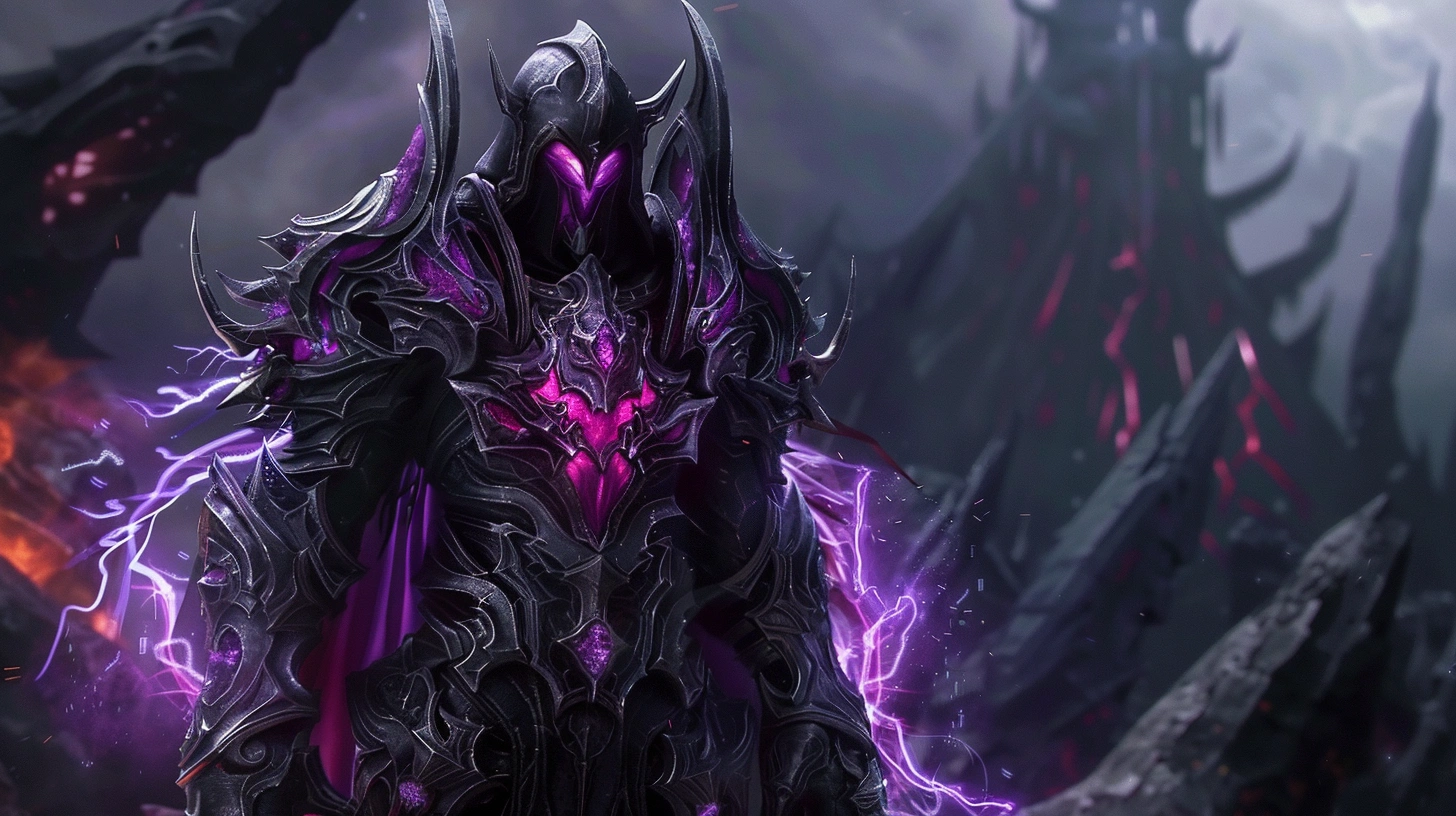
At its core, Treeverse aims to create a full-fledged MMORPG that remains engaging even without blockchain elements. The developers focus on familiar mechanics such as an open world, character progression, cooperative content, and player-driven economic interactions. In this context, Web3 serves as a way to expand player rights rather than as a goal in itself.
The project’s philosophy is built around the play-and-own model. Players truly own their characters, items, and cosmetic assets, which increases the perceived value of time invested in the game. This approach changes how progression is perceived, turning it into a long-term asset rather than a temporary achievement. As a result, player motivation goes beyond short-term rewards.
A strong focus on community is another key aspect of the concept. Treeverse is designed as a social space where interaction between players plays a crucial role. Cooperative activities and a shared economy help form stable relationships. This allows the ecosystem to grow organically and remain sustainable over time.
2. The Game World and Universe Structure
The world of Treeverse is a fantasy universe featuring open locations, cities, dungeons, and exploration zones. The environment is designed to encourage free movement and independent discovery. Players can choose their own pace and preferred style of progression.
The architecture of the world follows a modular structure. This allows developers to introduce new regions and activities without disrupting the integrity of existing content. Such an approach makes world expansion logical and consistent. Updates do not undermine the familiar ecosystem of the game.
Key Features of the Treeverse World
- open locations without rigid routes;
- social hubs for trading and communication;
- dungeons and high-difficulty zones;
- the ability to expand the map gradually over time.
As a result, the world feels alive and constantly evolving. Exploration becomes a core gameplay element rather than a secondary activity. Players are motivated to return to the game to discover new areas and events.
3. Gameplay and Social Mechanics in Treeverse
Treeverse gameplay is based on classic MMORPG principles: character progression, equipment acquisition, and participation in cooperative activities. At the same time, the game remains accessible to new players, avoiding excessive complexity during the early stages. This lowers the entry barrier without sacrificing depth.
Progression is built around skills and items rather than a rigid class system. This allows players to experiment with different playstyles and adapt to various types of content. Such flexibility increases the value of a personalized development path.
Social mechanics play a central role in the experience. Cooperative quests, trading, and communication form the foundation of gameplay. Treeverse actively encourages collaboration, creating conditions for long-term interaction between players. As a result, the community becomes a core pillar of the game.
4. NFTs, Tokenomics, and the Project Economy
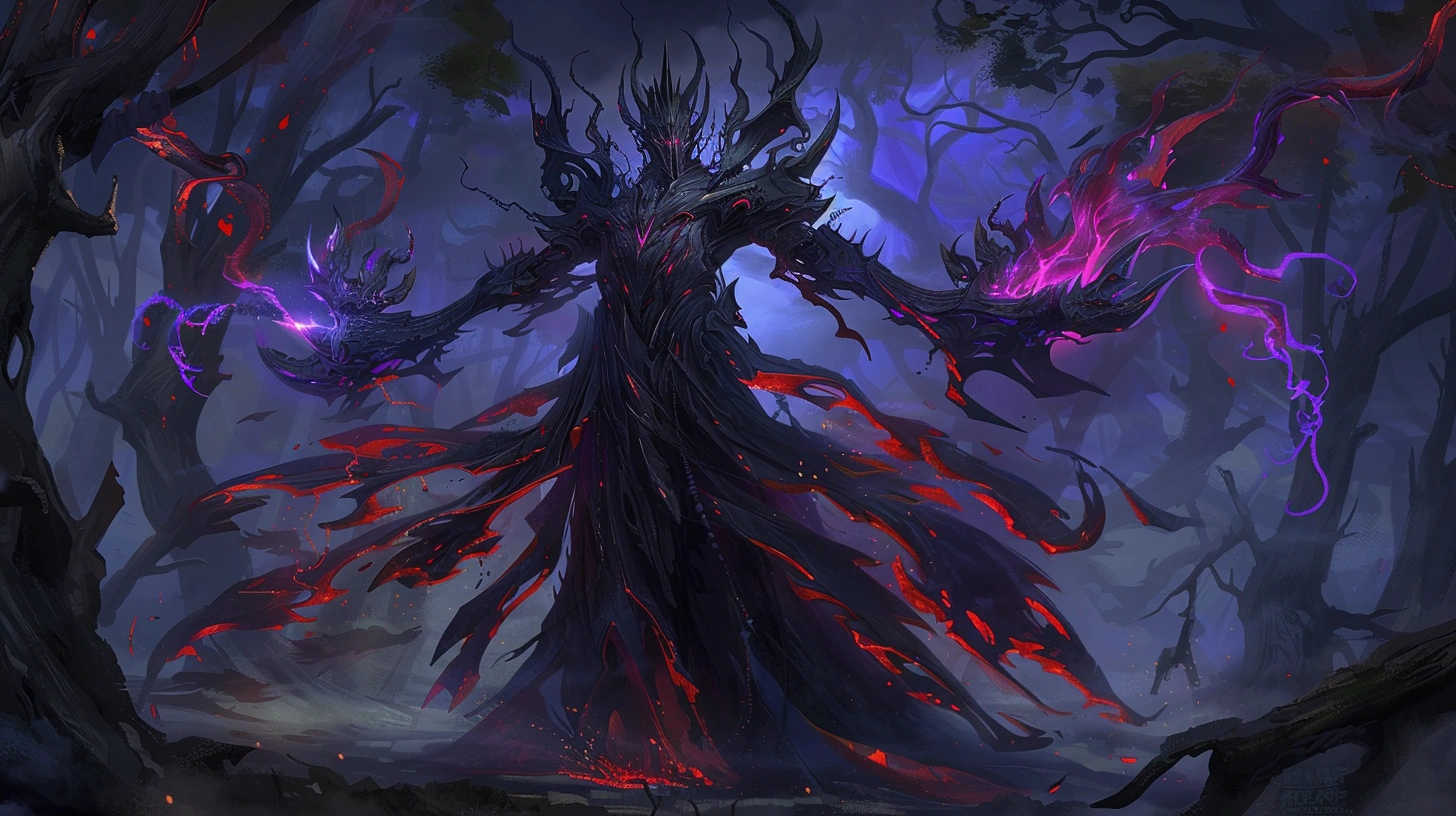
The economic model of Treeverse is built around NFTs that represent characters, items, and cosmetic elements. These assets have practical in-game utility and can be freely transferred between users. This approach ensures transparency and trust. Tokenomics are focused on sustainability rather than short-term speculation. The primary emphasis is placed on using assets within gameplay and participating in the economy through active play. This reduces inflationary risks and helps maintain balance.
Core Elements of the Treeverse Economy
| Element | Purpose | Player Value |
|---|---|---|
| NFT Characters | Playable avatars | Participation in gameplay and progression |
| NFT Items | Equipment and cosmetics | Enhancement and personalization |
| In-game Tokens | Economic operations | Trading and market interaction |
This structure allows blockchain technology to be integrated without harming gameplay balance. The economy becomes a natural part of the game world rather than an external financial layer imposed on top of gameplay. As a result, players perceive trading and asset ownership as extensions of the core experience rather than speculative mechanics. This leads to a more stable in-game environment focused on long-term participation and community growth.
5. Treeverse Development and Conclusion
Treeverse continues to evolve gradually, expanding its content and functionality. The team prioritizes incremental updates, allowing community feedback to be taken into account while maintaining gameplay stability. This approach reduces the risks associated with abrupt changes.
In the long term, the project has the potential to secure a strong position among Web3 MMORPGs. An open world, social focus, and a well-balanced economy provide a solid foundation for sustainable growth. At the same time, the game remains accessible to a broad audience.
Ultimately, Treeverse can be seen as an example of a mature approach to blockchain gaming, where technology enhances the player experience rather than replacing it. This balance positions the project as a promising representative of the next generation of Web3 games and establishes a strong foundation for future development.











