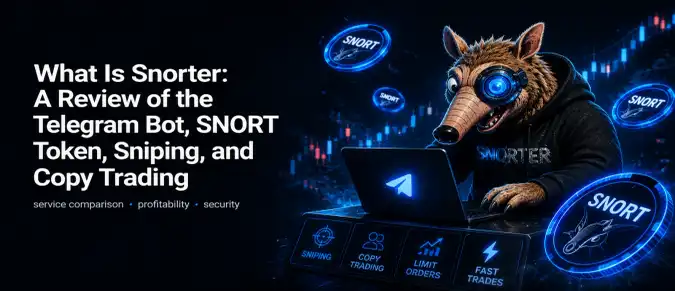

Snorter is a cryptocurrency project that combines a Telegram bot for automated trading with the SNORT token. The platform is focused primarily on the Solana market and allows users to discover new tokens, execute swaps, copy trades from other wallets, and configure trading orders directly within the messenger. The SNORT token is used for fee reductions, staking, and participation in selected ecosystem mechanisms. Despite the platform's stated analytics and security features, using a trading bot still involves smart contract risks, key management concerns, low liquidity, and the high volatility of meme tokens.
Contents
- What Is Snorter and How Does the Trading Bot Work?
- Token Sniping, Copy Trading, and Trade Automation
- The SNORT Token, Staking, and Project Economy
- Key Features and Risks of the Snorter Platform
- The Future of Snorter and Telegram Trading Bots

1. What Is Snorter and How Does the Trading Bot Work?
Snorter is a trading interface that operates inside Telegram. Users launch the bot, create or connect a compatible wallet, and gain access to token transactions without opening a separate decentralized exchange. The project's main focus is trading assets on Solana, where new meme tokens and liquidity pools appear frequently.
The bot interacts with the blockchain and decentralized trading venues by creating transactions based on user commands. Through the menu, users can select a token, specify a buy or sell amount, configure acceptable slippage, and confirm the transaction. Final execution depends on network conditions, available liquidity, and the parameters of the selected pool.
Unlike a centralized exchange, Snorter does not maintain its own order book or guarantee execution at a specified price. It acts as an intermediary software layer between the user, the wallet, and on-chain liquidity. Transaction speed therefore depends not only on the bot but also on Solana network activity, priority fees, and competition from other traders.
The project has also announced plans to expand beyond Solana and support Ethereum and other EVM-compatible networks. However, functionality may vary between blockchains, so live integrations should be distinguished from components that appear only in the roadmap.
2. Token Sniping, Copy Trading, and Trade Automation
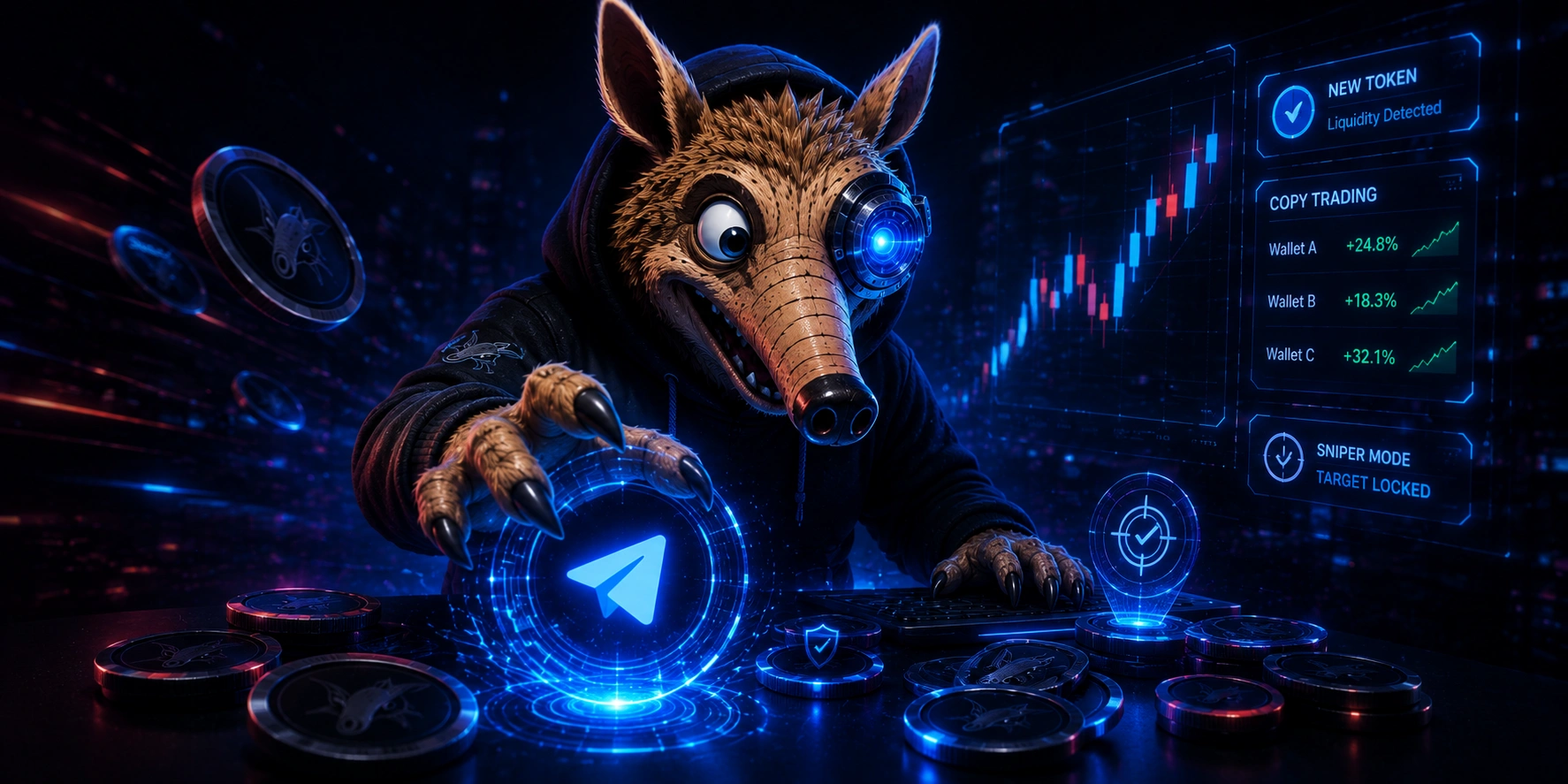
One of Snorter's primary use cases is sniping newly launched tokens. Users provide a contract address and transaction parameters in advance, after which the bot attempts to execute a purchase when liquidity becomes available. Such tools are common in the meme-token market, where prices can move sharply within the first minutes of trading.
High speed does not guarantee favorable execution. Other bots, validators, and professional traders may attempt to buy at the same time. This increases the probability of slippage, failed transactions, or purchasing an asset after a rapid price increase. Fake contracts and tokens with selling restrictions create additional risks.
The copy-trading feature is designed to monitor selected on-chain wallets. The bot analyzes their activity and may replicate transactions according to predefined settings. However, a public history of profitable trades does not prove that the wallet owner will continue using the same strategy. A wallet may also be connected to a token team, a promotional campaign, or a broader network of related addresses.
For position management, the project describes limit orders, automated selling, stop-loss settings, and other tools. In a decentralized environment, these instructions are usually executed by the bot when specific conditions are met rather than stored in a traditional exchange order book. A trade may still fail because of insufficient liquidity, extreme volatility, or changes in the smart contract state.
3. The SNORT Token, Staking, and Project Economy
SNORT is the token of the Snorter ecosystem. It was introduced for loyalty programs, staking, and access to reduced trading fees. Published information indicates a maximum supply of 500 million tokens, some of which were allocated through the presale and related launch programs.
According to the project model, SNORT holders may receive lower fees when trading through the bot compared with users who do not hold the token. This utility creates a link between platform trading activity and demand for the asset, although its practical value depends on the number of active users and the volume of executed trades.
| Component | Purpose |
|---|---|
| SNORT | Ecosystem token used for discounts, staking, and incentives |
| Snorter Bot | Telegram interface for trading and token management |
| Token Sniping | Automated purchase of an asset after liquidity becomes available |
| Copy Trading | Tracking and replicating transactions from selected wallets |
| Limit Orders | Attempted trade execution when a specified price is reached |
| Security Checks | Detection of selected warning signs in suspicious tokens and contracts |
| Staking | Locking SNORT to participate in a reward program |
Staking returns depend on the amount of tokens allocated to rewards, the duration of the program, and the total value locked. High displayed APY figures in the early stages are often linked to a limited number of participants and accelerated token issuance. As the total amount staked increases, the estimated yield may decline.
The market value of SNORT is determined by liquidity, demand for the bot, and the behavior of early holders. Token unlocks following the presale may increase selling pressure. As a result, utility within the platform does not eliminate volatility or guarantee that the asset will retain its value.
4. Key Features and Risks of the Snorter Platform
Snorter aims to combine several tools that are usually distributed across a wallet, an analytics platform, and a decentralized exchange. Managing these functions through Telegram reduces the need to switch between applications, but it also concentrates several critical operations within a single interface.
The project mentions automated token checks, front-running protection, and detection of potential honeypot contracts. These filters may identify known warning signs but cannot guarantee that every asset is safe. Token creators may use custom logic, adjustable fees, hidden restriction lists, and other mechanisms that bypass standard checks.
Key Snorter features include:
- token trading directly through Telegram;
- support for assets and liquidity on Solana;
- automated sniping of new launches;
- buying and selling based on predefined parameters;
- copying transactions from selected wallets;
- limit orders and stop-loss settings;
- management of multiple tokens through one interface;
- checks for selected honeypot and rug-pull indicators;
- mechanisms designed to reduce certain types of MEV exposure;
- fee discounts for SNORT holders;
- token staking and reward programs;
- plans for multichain support.
The SNORT smart contract underwent an external audit, but the published review covered the token contract rather than full functional testing of the entire platform. Such an audit does not confirm the security of the Telegram bot, server infrastructure, key storage system, trading algorithms, or third-party integrations.
The most serious risk concerns wallet access. Users should understand how private keys are created, encrypted, and recovered, and whether the operator has any technical ability to access them. When trading through bots, it is more prudent to use a separate wallet with a limited balance rather than a primary long-term storage wallet.
5. The Future of Snorter and Telegram Trading Bots
Telegram bots have become a distinct segment of cryptocurrency infrastructure because they provide a fast interface and automate actions without requiring a specialized trading terminal. Demand is particularly visible on networks with frequent token launches, where the speed of discovery and execution can significantly affect results.
Snorter's prospects will depend on bot stability, order execution quality, and the project's ability to provide secure wallet interaction. Important indicators will include actual trading volume, the number of active users, confirmed multichain integrations, and the transparency of the fee model.
Competition in this segment remains intense. Users already have access to other Telegram bots, DEX aggregators, and wallets with integrated trading. To remain relevant, Snorter will need to offer more than speed, including reliable analytics, clear permission management, and demonstrated infrastructure resilience.
Overall, Snorter is a Telegram-based platform for automated token trading that combines sniping, copy trading, order management, and the SNORT token. The project may simplify certain operations on Solana, but it does not remove the fundamental risks associated with trading new and illiquid assets. Its long-term development will depend on the actual utility of the bot, secure key management, transparent tokenomics, and the team's ability to deliver the announced roadmap.











