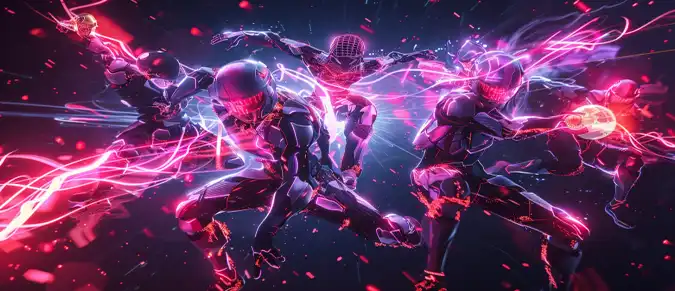

Tsuba Rivals (Captain Tsubasa – RIVALS) is a blockchain-based game inspired by the legendary Japanese manga and anime Captain Tsubasa. The project combines sports-focused gameplay, collectible NFT assets, and Web3 mechanics of digital ownership. Unlike traditional football simulators, the game emphasizes not only competition but also economic interaction between players, enabling them to develop characters, participate in matches, and use blockchain as the foundation of the game ecosystem.
Contents
- Concept and Game Philosophy of Tsuba Rivals
- Gameplay and Interaction Modes in Tsuba Rivals
- NFT Characters and In-Game Assets
- Economy, Tokens, and Game Products
- Ecosystem and Future Development Prospects
- Conclusion
1. Concept and Game Philosophy of Tsuba Rivals
Tsuba Rivals is built around the idea of transferring the emotional intensity and competitive spirit of the original Captain Tsubasa franchise into the Web3 digital space. At the core of its concept are character progression, rivalry, and continuous growth, which directly reflect the narrative themes of the manga. The project targets both long-time fans of the franchise and audiences interested in blockchain-based games.
A key element of the game’s philosophy is true ownership of digital assets. Unlike traditional mobile or console games, characters and items in Tsuba Rivals belong to players in the form of NFTs. This creates long-term value for in-game progress and positions gameplay as part of a broader digital economy.
The project’s concept is also based on fair rewards for engagement and strategic decision-making. Progress in the game depends primarily on player choices rather than purely on financial investment. This approach makes Tsuba Rivals more balanced and sustainable over time, reducing the gap between new players and experienced participants.
2. Gameplay and Interaction Modes in Tsuba Rivals
The gameplay of Tsuba Rivals combines tactical football matches with card-based mechanics. Players assemble teams from NFT characters, manage their actions, and make decisions that directly influence match outcomes. This format keeps the game accessible while preserving depth and strategic complexity.
The project offers both PvE and PvP modes. In single-player content, users progress through narrative-driven scenarios, develop characters, and learn core mechanics. Competitive modes allow players to face real opponents, testing team composition and tactical efficiency.
Seasonal events and ranking systems add further variability, encouraging players to return on a regular basis. Each match becomes part of a broader progression framework, where results affect standing within the community. This reinforces competition and supports long-term player engagement.
3. NFT Characters and In-Game Assets
NFTs are a central component of Tsuba Rivals. Each playable character is represented as a unique token with specific attributes, levels, and upgrade paths. Ownership of these assets gives players direct control over their in-game progress and access to trading within the ecosystem.
- NFT characters with unique attributes and rarity levels
- Decision cards (RP cards) that influence match outcomes
- Enhancement items used to improve character abilities
- Collectible assets that increase overall account value
One of the main advantages of the NFT model is transparent ownership and the ability to independently assess asset value. Players can define their own collection strategies, focusing either on competitive performance or rarity. This introduces elements of collecting and long-term planning into the gameplay experience.
4. Economy, Tokens, and Game Products
The economic model of Tsuba Rivals is built on Web3 principles and supports in-game tokens, NFTs, and trading mechanisms. The economy encourages active participation in matches, character development, and player-to-player interaction. At the same time, the reward system is designed to promote long-term engagement rather than short-term speculation.
Each economic element serves a specific function within the gameplay loop and is closely tied to player progression. This structure helps maintain balance between motivation and asset sustainability. Below are the key components of the project’s economy and their roles within the ecosystem.
| Element | Purpose | Role in the Game |
|---|---|---|
| In-Game Tokens | Rewards and transactions | Character progression and event participation |
| NFT Characters | Core game assets | Team formation and match participation |
| Marketplace | Asset trading | Economic interaction between players |
The project’s economy is designed to avoid inflation of in-game resources and preserve asset value. Balance mechanisms and limited item issuance help maintain market stability. This creates a more predictable and sustainable economic environment for all participants.
5. Ecosystem and Future Development Prospects
The Tsuba Rivals ecosystem continues to expand through content updates, additional game modes, and the integration of new mechanics. The project is focused on long-term growth, positioning the game as part of a broader Web3 environment rather than a standalone product.
Future developments may include new tournaments, collaborations, enhanced economic tools, and audience expansion beyond the original franchise fan base. This flexibility allows the project to adapt to market changes and evolving player interests.
By maintaining a strong focus on gameplay quality and economic transparency, Tsuba Rivals has the potential to establish itself as a sustainable representative of the blockchain gaming segment, appealing to players seeking depth rather than purely financial incentives.
6. Conclusion
Tsuba Rivals demonstrates how a classic gaming franchise can be reimagined through blockchain technology. The project combines sports dynamics, strategic depth, and a digital economy to form a cohesive Web3 gaming ecosystem. This approach makes the game appealing both to Captain Tsubasa fans and to users exploring new ways to interact with digital assets.
Additional value is created through a long-term development focus, where balanced gameplay plays an equally important role alongside collectible NFTs. By integrating both PvE and PvP mechanics, the game maintains strong engagement and competitive interest. Over time, Tsuba Rivals may secure a stable position among Web3 games that prioritize quality gameplay over purely financial mechanics.











