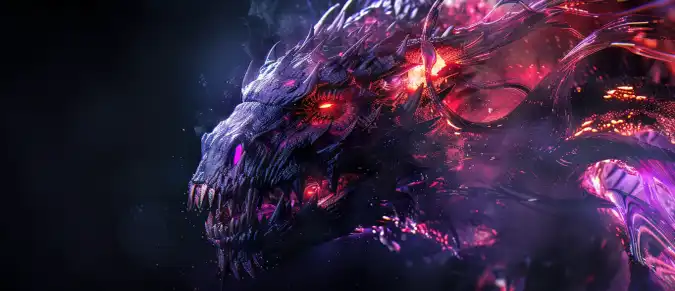

Blockchain Monster Hunt is a play-to-earn game that combines monster-hunting mechanics with blockchain technology and true digital ownership. Players explore a virtual world, encounter unique creatures, and capture them as NFTs that exist independently of the game client. The project blends RPG elements, collecting systems, and a decentralized economy, demonstrating how a Web3 approach can transform classic gaming formats.
Table of Contents
- Core Concept and Vision of Blockchain Monster Hunt
- Gameplay and Key Game Mechanics
- NFT Monsters and the Progression System
- Economy and Token Model of Blockchain Monster Hunt
- Ecosystem Development and Conclusions

1. Core Concept and Vision of Blockchain Monster Hunt
Blockchain Monster Hunt was designed as a game in which asset ownership becomes an integral part of the gameplay experience. Instead of storing achievements and items on centralized servers, the project relies on blockchain solutions that ensure transparency and independence of digital assets. This approach reshapes the perception of progress by turning in-game actions into a verified form of ownership.
A key element of the concept is its focus on long-term development. The project is not limited to a short-term play-to-earn model but aims to build a sustainable ecosystem with scalability in mind. Support for multiple blockchains helps avoid dependency on a single network and increases infrastructure flexibility.
Special attention is given to accessibility. The developers strive to lower the technical entry barrier by simplifying wallet interactions and minimizing the need for initial investment. This makes the game more approachable for users who have not previously engaged with Web3 products.
Additionally, the project’s philosophy предполагает gradual self-regulation of the ecosystem. Economic processes are expected to be shaped by player activity rather than constant manual intervention by the team. This approach enhances stability and builds trust within the community.
2. Gameplay and Key Game Mechanics
The gameplay of Blockchain Monster Hunt is built around world exploration, monster encounters, and tactical decision-making. Players travel through different regions, each offering its own set of creatures and difficulty levels. These zones form the foundation of progression and motivation for development.
- Exploring locations and searching for rare monsters
- Turn-based battles that consider creature attributes and types
- Team development through upgrades and evolution
- Additional PvP modes for competitive players
The combat system is designed to balance simplicity with strategic depth. Players must consider team composition, ability synergy, and enemy traits. This reduces repetitive farming and encourages thoughtful planning.
Resource management also plays an important role. Energy and item limitations define the pace of the game and prevent excessive strain on the economy. As a result, progression feels consistent and sustainable over time.
3. NFT Monsters and the Progression System
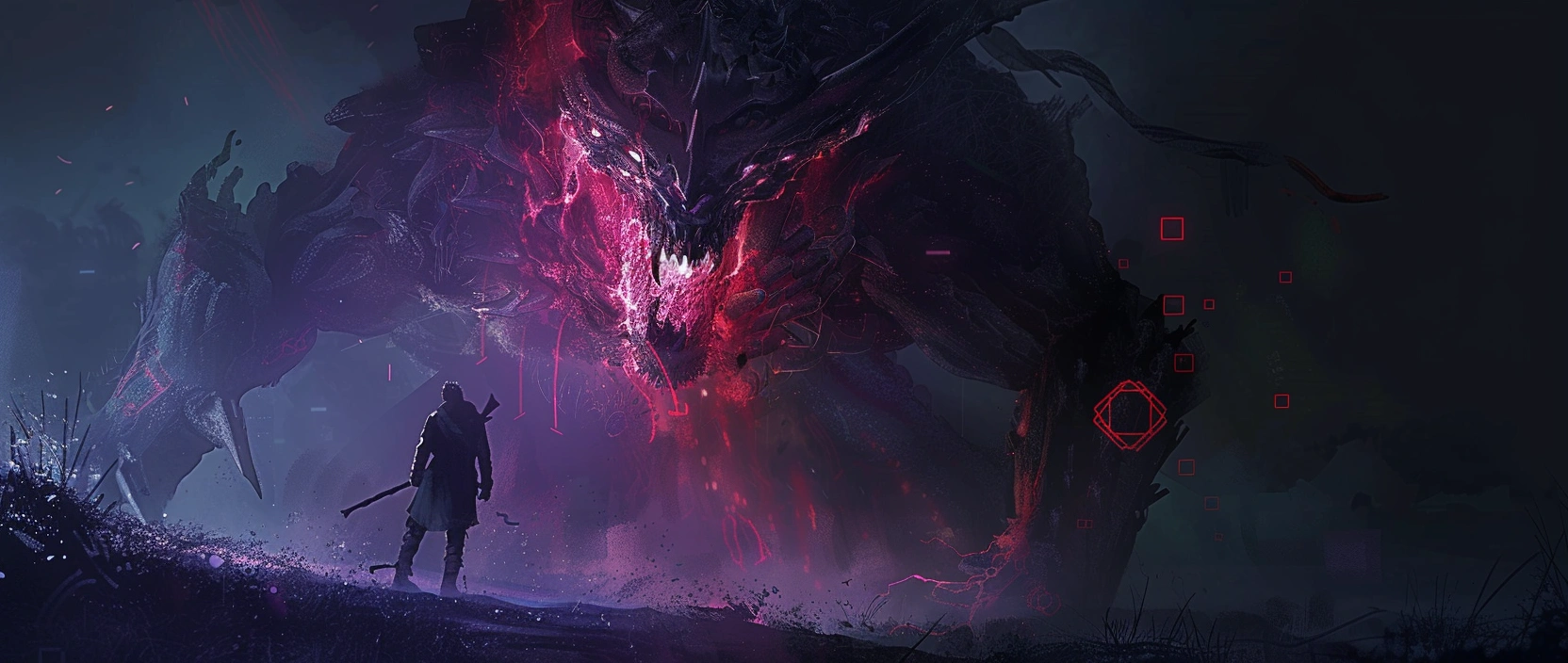
Each monster in Blockchain Monster Hunt is represented as an NFT, making it a unique digital asset. Creatures differ in rarity, attributes, and visual design, creating meaningful value in collecting. This approach encourages exploration and participation in a wide range of in-game activities.
Monster progression is achieved through battles, upgrades, and evolution. All changes are recorded on the blockchain, ensuring the immutability of each NFT’s development history. This eliminates the possibility of retroactive or arbitrary parameter changes.
The open ownership model allows players to freely transfer or sell monsters on secondary markets. Prices are determined organically based on rarity and demand, strengthening the link between gameplay achievements and economic value.
As a result, NFT monsters function not only as gameplay elements but also as full-fledged assets within the broader ecosystem.
4. Economy and Token Model of Blockchain Monster Hunt
The economic system of Blockchain Monster Hunt is built around utility tokens used for gameplay actions and progression. The model avoids concentrating value in a single asset by distributing functions across different economic components.
| Component | Purpose | Role in the Ecosystem |
|---|---|---|
| Tokens | Gameplay actions | Used for upgrades and access to content |
| Rewards | Player incentives | Earned through active participation in the game |
| Spending mechanisms | Economic balance | Reduce inflation and regulate circulation |
Token acquisition is directly tied to gameplay activities, which encourages engagement. Spending systems create constant demand for resources and help maintain economic balance.
The economy is designed with adaptability in mind. Parameters can be adjusted based on user activity, allowing the system to remain stable as the player base grows.
5. Ecosystem Development and Conclusions
Blockchain Monster Hunt evolves in line with modern GameFi trends, where sustainability is prioritized over short-term gains. The project focuses on combining high-quality gameplay with decentralized solutions.
The community plays a significant role in ecosystem development. Player feedback influences balance changes, content additions, and development priorities. This approach supports the formation of long-term loyalty.
From an analytical perspective, the game demonstrates how blockchain can enhance gameplay mechanics rather than replace them. Ownership, trading, and progression are organically embedded into the experience.
Blockchain Monster Hunt serves as a structured example of how the play-to-earn model can evolve toward a sustainable gaming ecosystem. The project combines collection, strategy, and digital ownership, forming a foundation for long-term player engagement within the Web3 landscape.











