

Ascenders is a hybrid action RPG that combines a single-player story campaign with elements of a multiplayer Web3 economy. The project blends dynamic combat in the style of modern action RPGs, open-world exploration, and a digital asset ownership system, including NFT land and ecosystem tokens. The developers aim to maintain a balance between a classic gaming experience and decentralized infrastructure, allowing players to choose their level of involvement in blockchain features. As a result, Ascenders positions itself as a game where gameplay remains the core focus, while Web3 serves as a tool to expand opportunities.
Contents
- World Concept and Structure of Ascenders
- Gameplay, Combat System, and Progression
- Web3 Infrastructure and NFT Assets
- Tokens and the Economic Model of Ascenders
- Development Outlook and Market Positioning
1. World Concept and Structure of Ascenders
Ascenders takes place in a fantasy universe where magic and technological elements shape a unique environment. Players assume the role of heroes exploring diverse regions — from densely populated cities to dangerous wastelands and underground dungeons. The world is designed as a dynamic system in which player activity influences economic processes and resource distribution.
The project combines a narrative-driven campaign with multiplayer activities. This approach allows Ascenders to be experienced as a полноценная RPG even without engaging in Web3 mechanics. At the same time, the blockchain layer expands opportunities for those interested in digital ownership and economic interaction.
The game’s structure supports both individual progression and collective forms of interaction. An event-based model and periodic content updates create a foundation for long-term engagement. In this way, Ascenders integrates traditional game design elements with a digital economy into a unified ecosystem.
Developers place strong emphasis on visual style and atmospheric storytelling. The world features diverse biomes, enhancing the sense of scale. Story missions are combined with open exploration, striking a balance between linear narrative and player freedom. This creates a comprehensive gameplay experience designed for long-term immersion.
2. Gameplay, Combat System, and Progression
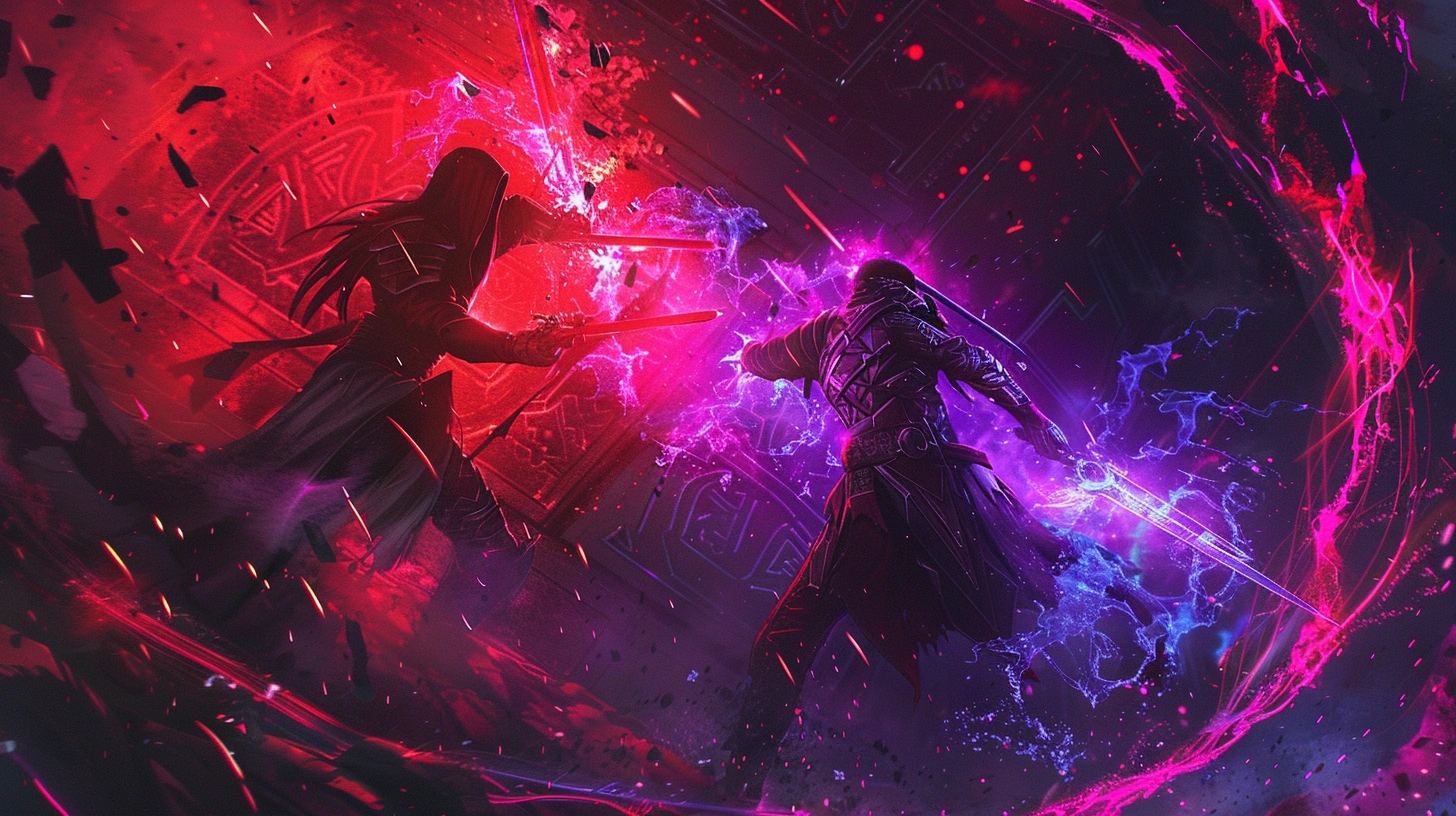
The core gameplay revolves around a dynamic real-time combat system. Controls require precision, timely dodging, and strategic use of abilities. Unlike rigid class-based models, Ascenders offers a flexible character development system, allowing players to adapt their combat style to personal preferences.
- Action combat — real-time attacks, combos, and evasive maneuvers;
- Open regions — world exploration with varying difficulty levels and enemy types;
- Cooperative missions — joint quests and boss battles;
- Flexible progression — skill and equipment development without strict class limitations;
- Event system — limited-time activities and additional rewards.
The progression system is built on a combination of skill upgrades, equipment improvements, and strategic ability choices. This approach encourages build diversity and experimentation. Combat activity is closely linked to the in-game economy, as acquired resources are integrated into the marketplace.
A balance between PvE challenges and cooperative formats ensures varied gameplay. Rare dungeons and world bosses require strategic preparation. Character advancement is accompanied by gradually increasing enemy difficulty, reinforcing a sense of progression. Regular events introduce new challenges and temporary rewards, strengthening player motivation to return.
3. Web3 Infrastructure and NFT Assets
The Web3 component of Ascenders is implemented through NFT land and digital items. Landowners can participate in the distribution of certain fees and economic flows associated with activity within their region. This model establishes a decentralized ownership layer within the game world.
Digital assets are integrated into the ecosystem structure but do not replace gameplay. The primary focus remains on combat mechanics and exploration, while NFTs function as infrastructure elements. This approach helps avoid pay-to-win imbalance and preserves competitive fairness.
Blockchain usage ensures transparent ownership and the ability to store assets outside centralized servers. However, users must consider wallet security and private key management. Web3 acts as an additional layer rather than a mandatory requirement for participation.
The system may support a secondary marketplace for asset exchange, giving owners greater control over digital property. This increases user engagement and contributes to a more flexible digital interaction model.
4. Tokens and the Economic Model of Ascenders
The Ascenders economy is built around two tokens and NFT assets. The model is designed to create sustainable circulation through gameplay activity and ecosystem governance. A key feature is the separation of functions between a governance token and a utility in-game token, allowing flexible balance regulation within the platform.
| Token / Asset | Type | Main Function |
|---|---|---|
| AGC (Ascenders Governance Coin) | Governance token | Participation in voting and ecosystem management |
| AAG (Ascenders Adventure Gold) | Utility / in-game token | In-game payments, rewards, and transactions |
| Land NFT | Digital land | Share in regional economic activity |
AGC serves governance functions, allowing holders to influence strategic decisions. AAG is used in the daily in-game economy for services, crafting, and rewards. NFT land connects economic flows with world infrastructure, increasing owner engagement.
The sustainability of the model depends on balancing token issuance with real gameplay activity. Developers aim to minimize inflation risks and maintain the long-term value of digital assets. Incentive mechanisms are designed to support active players and asset holders while reducing economic imbalance risks.
5. Development Outlook and Market Positioning
Ascenders operates at the intersection of the action RPG genre and the Web3 ecosystem, attracting both traditional gamers and users interested in digital assets. However, the project’s strategic advantage will depend less on its blockchain component and more on gameplay quality, content depth, and well-designed progression systems.
In a highly competitive blockchain gaming market, key success factors include regular updates, a transparent economic model, and stable technical infrastructure. Expanding partnerships, introducing new game modes, and developing cooperative mechanics could strengthen Ascenders’ market position.
Tournaments, seasonal activities, and narrative expansions may reinforce the community and increase player engagement. If the developers successfully maintain a balance between entertainment and economics, Ascenders could establish itself within the Web3 action RPG segment.
Long-term sustainability will depend on community activity, content quality, and adaptability to market changes. Overall, Ascenders represents a hybrid model of an action RPG and a decentralized platform with its own economy — where dynamic combat, an open world, and NFT infrastructure combine to create a comprehensive next-generation Web3 gaming experience.











