

Caveworld is a blockchain-based game developed at the intersection of GameFi, NFTs, and decentralized economic models. The project offers players a virtual underground world where resource mining, character progression, and digital asset management play a central role. Unlike traditional online games, Caveworld focuses not on a linear storyline, but on economic interaction between participants, operational transparency, and true ownership of in-game assets. This format reflects a shift in the player’s role — from a passive content consumer to an active participant in the digital economy.
Contents
- Concept and Philosophy of Caveworld
- Gameplay and Core Mechanics
- NFTs and In-Game Assets in Caveworld
- Project Economy and Tokenomics
- Technological Foundation and Future Development
1. Concept and Philosophy of Caveworld
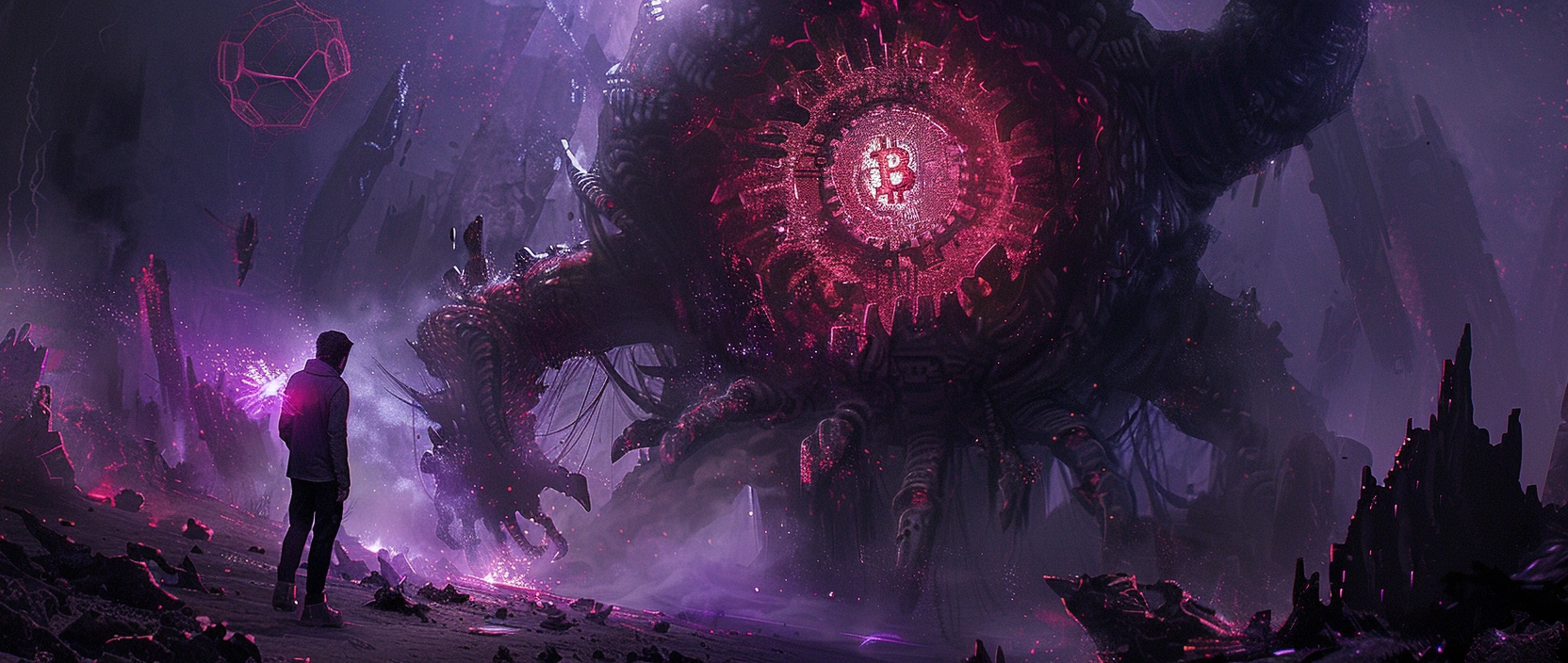
At its core, Caveworld is built around the idea of a virtual space structured according to the principles of a decentralized economy. The game universe consists of interconnected mines and underground zones where each participant independently develops a strategy for resource extraction and allocation. The project follows the GameFi philosophy, combining engaging gameplay with economic incentives and real ownership of digital assets. Blockchain technology ensures transparency of operations and secures ownership rights for players.
Caveworld is designed for long-term participation, encouraging thoughtful planning and gradual progression of in-game capabilities. Unlike models focused on rapid short-term gains, value here is created through sustainable growth and effective asset management. This approach contributes to a more mature gaming ecosystem and reduces dependence on speculative market behavior.
2. Gameplay and Core Mechanics
Caveworld’s gameplay is based on a cyclical progression model, where player actions directly influence mining efficiency and economic outcomes. The initial phase introduces core mechanics, followed by more advanced layers of interaction with the game world.
As players progress, they gain access to various tools and options that shape their overall strategy. The choice between accelerated advancement and carefully planned long-term growth becomes a key element of the experience. Core mechanics form the foundation for interaction with both the in-game economy and other ecosystem participants.
- resource mining using characters and equipment;
- upgrading NFT attributes to increase efficiency;
- time and progression strategy management;
- participation in in-game events and activities;
- interaction with other players through the asset marketplace.
This structure combines active and passive gameplay elements, lowering the entry barrier for new users. Players can independently determine their level of involvement, adapting the process to their personal goals. As a result, Caveworld functions as a flexible platform suitable both for GameFi enthusiasts and for users viewing the game as a long-term digital asset.
3. NFTs and In-Game Assets in Caveworld
NFTs play a central role in the Caveworld ecosystem. They represent unique digital objects used directly in gameplay and freely transferable between users. Each NFT has a set of attributes that affect mining efficiency and progression speed, shaping its market value and demand.
The use of non-fungible tokens enables a sustainable ownership model in which assets are not directly dependent on the developer’s servers. This approach strengthens trust in the project and motivates players to invest in the development of their own digital resources.
Additionally, NFTs can be utilized across various gameplay scenarios, expanding their practical value within the ecosystem. Free trading and exchange create a dynamic market where prices are determined by real utility rather than artificial constraints. As a result, in-game items become fully-fledged digital assets integrated into the broader Web3 economy.
4. Project Economy and Tokenomics
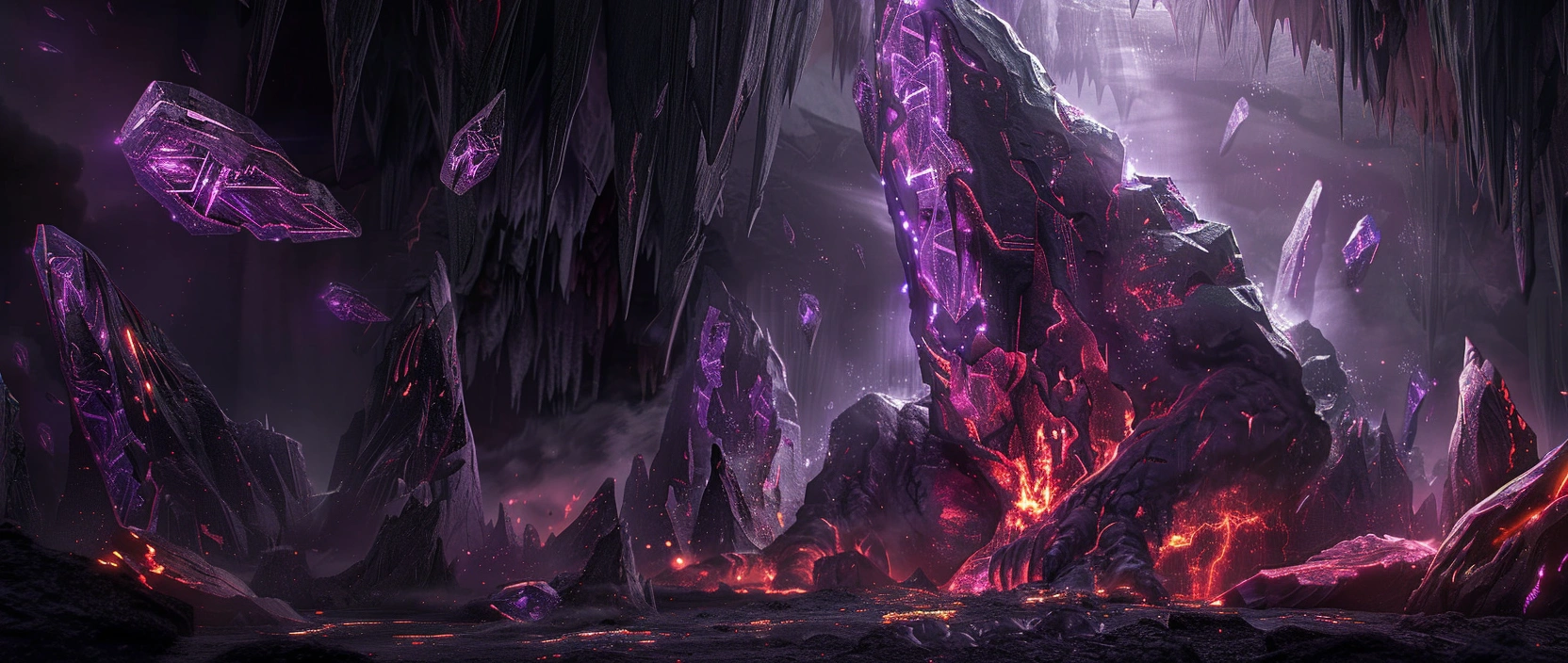
The economic model of Caveworld is built around an internal token used for rewards, upgrades, and market transactions. Its role goes beyond that of a simple in-game currency, forming the foundation of the entire ecosystem. The token connects gameplay mechanics with market logic, ensuring continuous value circulation. Economic incentives are designed to encourage active participation rather than short-term accumulation, while smart contracts regulate key processes to enhance transparency.
| Economic Element | Purpose |
|---|---|
| Internal Token | Rewards for mining and activity participation |
| NFT Characters | Primary tools for interacting with the game |
| Asset Marketplace | Buying and selling NFTs between players |
| Burn Mechanisms | Inflation control and economic balance |
These components form a closed economic system where each element influences supply and demand. Additional mechanisms support long-term sustainability and growth control, helping to prevent asset devaluation as the user base expands. This structure is typical of GameFi platforms focused on gradual ecosystem development rather than short-term speculative gains.
5. Technological Foundation and Future Development
Caveworld leverages smart contracts to automate core gameplay processes and ensure operational transparency. All user actions are recorded on the blockchain and can be independently verified, reducing manipulation risks and increasing trust in the ecosystem. To support scalability, the project relies on layer-two solutions that significantly reduce fees and improve transaction speed.
Looking ahead, the development team plans to expand the game through new zones, mechanics, and integrations with other Web3 projects. This approach positions Caveworld as a potentially resilient platform within the long-term blockchain gaming ecosystem. The technological architecture also allows updates to be implemented without compromising the integrity of existing player assets.
Thanks to the modular design of its smart contracts, the game can evolve gradually while remaining compatible with previously issued NFTs. The use of scalable blockchain solutions enables broader audience adoption without increasing transaction costs, forming the foundation for a flexible and adaptive GameFi ecosystem.











