

Crooks Empire is a Web3 game that combines strategy, resource management, and a blockchain-based economy. The player takes on the role of a participant in the criminal underworld, building their own network of influence and interacting with other users. Unlike traditional games, in-game assets here have digital value, and decisions directly impact economic outcomes. The project integrates NFT elements, tokens, and social competition, creating an environment where gameplay is closely tied to a financial model.
Contents
- General Concept and Key Features of Crooks Empire
- Gameplay and Core Mechanics
- Ecosystem and In-Game Assets
- Tokens and Crooks Empire Economy
- Project Advantages and Model Limitations

1. General Concept and Key Features of the Project
Crooks Empire represents a digital environment where players build their own criminal empire. The main focus is on gradual progression: users start with limited resources and expand their influence through strategic decisions. This approach encourages long-term engagement and thoughtful planning.
The project stands out due to its integration of blockchain technology. In-game items and resources exist as digital assets, allowing players to truly own them. This creates a new interaction model where the line between gaming and economics becomes less distinct.
An additional element is social dynamics. Players compete for resources, interact with one another, and influence the overall development of the system. As a result, success depends not only on mechanics but also on the behavior of other participants.
2. Gameplay and Core Mechanics
The gameplay of Crooks Empire revolves around managing a character and developing resources. Players perform various actions that help increase income, strengthen positions, and unlock new opportunities. Each action requires consideration of available resources and potential risks.
The project’s economic model is based on multiple types of assets, each serving a distinct function. This approach distributes roles within the system and improves overall stability. It also reduces pressure on a single token by spreading economic activity across different elements. This helps prevent sharp fluctuations and creates a more balanced environment. Additionally, each asset is linked to specific user actions, strengthening the connection between gameplay and the economy. As a result, decisions made during the game directly influence the movement of resources.
Main in-game activities include:
- completing missions and earning rewards;
- developing the character and improving efficiency;
- managing and allocating resources;
- participating in events and interacting with other players;
- expanding personal influence within the game world.
Each of these elements affects overall progress and requires a well-thought-out approach. Players must balance risk and potential rewards to achieve stable growth. This model makes the game strategic: users need to analyze situations and adapt to changes. It adds depth and distinguishes Crooks Empire from simpler projects.
3. Ecosystem and In-Game Assets
The Crooks Empire ecosystem consists of several interconnected components that form a unified digital environment. These include characters, resources, NFT items, and interaction mechanisms between players. Each element influences gameplay and contributes to the overall structure.
NFTs play a crucial role as they represent unique objects with different attributes. They can be used to enhance player capabilities or traded within the ecosystem. This introduces scarcity and supports the creation of an internal market.
Resources are used to perform actions and develop characters. Their allocation requires careful consideration, as it directly affects strategic efficiency. Players constantly balance expenses against potential gains. Overall, the ecosystem is designed to be self-regulating. User activity shapes supply and demand, making the economic model more flexible and closer to real market conditions.
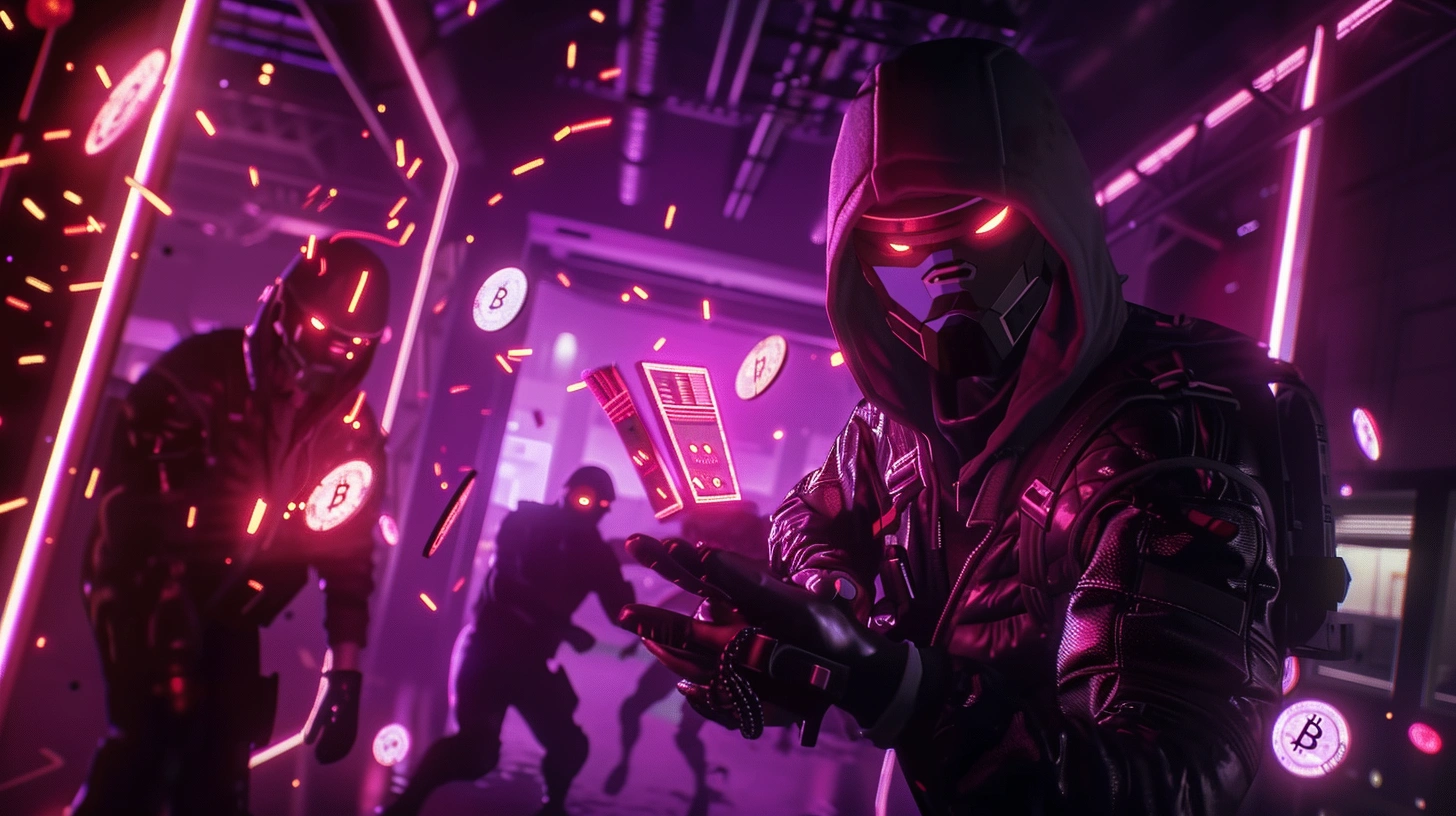
4. Tokens and Crooks Empire Economy
The economic model of the project is based on the use of multiple asset types, each fulfilling a specific role. This allows the system to distribute functions efficiently and remain resilient to changes. Additionally, such a structure reduces reliance on a single token and spreads economic activity across various components. This helps maintain balance and stability within the system. It is also important to note that each asset is tied to user actions, reinforcing the link between gameplay and economic processes. As a result, in-game decisions directly influence the flow of resources.
| Asset | Purpose |
|---|---|
| CROOK | Main token used for governance and key operations |
| LOOT | In-game currency used for actions and rewards |
| NFT | Unique digital assets with varying value |
This structure allows flexible distribution of economic load between assets. The main token handles strategic functions, while the in-game currency is used for everyday operations. The economy depends on player activity. The higher the engagement, the more transactions occur within the system. This directly affects balance and shapes asset value over time.
5. Project Advantages and Model Limitations
Crooks Empire demonstrates the advantages of the Web3 approach, including true ownership of digital assets and participation in the project’s economy. Users gain more control over their resources and can utilize them beyond a single game environment. However, the model also has limitations. The economic system depends on player activity, which can affect stability. If user interest declines, resource circulation decreases, reducing asset value.
Another important factor is the balance between gameplay and economic mechanics. If one aspect dominates, user engagement may decrease. Therefore, developers must maintain equilibrium between entertainment and financial systems. Ultimately, Crooks Empire represents a new model of interaction in gaming. It combines strategy, economics, and blockchain to create a unique user experience.
Crooks Empire demonstrates how Web3 technologies can transform the gaming industry. The project combines elements of strategy, economics, and digital ownership, creating a more complex and flexible interaction model. Its future development depends on community activity and the ability to maintain balance within the ecosystem. If successfully implemented, such projects may drive broader adoption of similar models in the digital entertainment industry.











