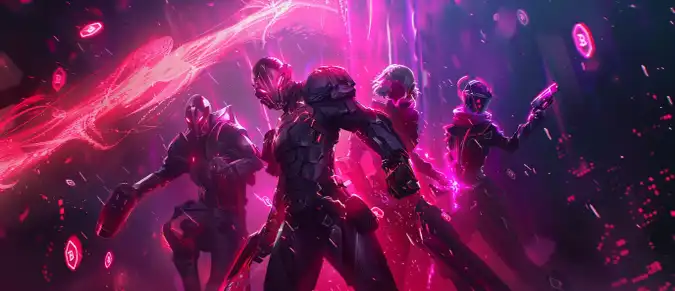

Defina Finance — is a blockchain game built on a combination of strategic RPG mechanics, NFT collection, and decentralized finance elements. In this ecosystem, in-game assets are owned directly by players, while the economy itself is based on the FINA token. The project aims to merge traditional game design with Web3 infrastructure, allowing users not only to develop characters but also to participate in a full-fledged digital economy. Below is a detailed analysis of the game’s structure, its economic model, advantages, and the factors new players should consider.
Contents
- Defina Concept: Idea, Goals, and Key Features
- Economy and the FINA Token
- Gameplay: Heroes, NFTs, and Game Modes
- Earning Methods in Defina
- Project Advantages and Risks
- Conclusion
1. Defina Concept: Idea, Goals, and Key Features
Defina Finance positions itself as a Web3 game where all in-game characters and items exist as NFTs, granting players full ownership and control over their digital assets. The project aims to eliminate the main drawback of traditional gaming: the lack of real asset ownership despite invested time and progress. This approach allows users to develop long-term strategies not only within gameplay but also within a broader economic context. As a result, it gradually transforms perceptions of mobile and online games, blurring the line between entertainment and economic participation.
According to the project's technical documentation, the ecosystem is built around the principle of ownership. Players can use their NFT heroes in PVE campaigns or PVP battles, as well as trade, transfer, or withdraw assets outside the game. This creates a new model of player interaction with the virtual world, where asset value is shaped by community activity rather than centralized studio decisions. Such a structure supports a healthy economy driven by supply and demand instead of artificial restrictions.
Defina also plans to gradually introduce community governance elements. Although DAO mechanics are still under development, the team intends to give token holders voting power over the project’s direction, economic parameters, and future content. This makes players not just participants but co-creators of the virtual universe. Over time, this governance model may significantly strengthen the project’s sustainability due to higher user engagement.
2. Economy and the FINA Token
The foundation of Defina’s financial system is the FINA token, issued on the BEP-20 standard. It serves as a currency for in-game purchases, a resource for character progression, and a tool for participating in DeFi mechanics. The economic model is designed to maintain balance and ensure long-term player interest. Developers aim to prevent rapid token devaluation through proper reward allocation and a limited supply. As a result, FINA becomes an essential component of the ecosystem rather than a temporary bonus.
| Economic Element | Description and Purpose |
|---|---|
| FINA (main token) | Used for purchases, upgrades, activity participation, and future governance decisions. |
| Staking | Allows players to lock FINA in exchange for rewards while supporting liquidity. |
| In-game fees | Costs associated with hero upgrades, item crafting, and balancing operations. |
| NFT market economy | Open trading of heroes and items forms a dynamic market and creates asset value. |
The Defina economy is structured so that players feel a direct connection between their actions and the growth of the ecosystem. The more actively the community interacts with tokens and NFTs, the more stable the market becomes. This enables the project to evolve organically without relying on inflated bonus programs. As a result, the game's economy can remain resilient even amid fluctuations in the broader crypto market.
3. Gameplay: Heroes, NFTs, and Game Modes
At the core of gameplay are NFT heroes, each with unique stats, classes, and skill sets. Every character is a digital asset that can be upgraded, sold, or used across multiple in-game modes. Progression requires resources, experience, and tokens, creating a deep RPG-based system. Different hero classes shine in different modes, encouraging experimentation. This variety ensures long-term engagement even for experienced players.
Gameplay is divided into PVE and PVP modes. PVE includes campaigns, story missions, and escalating levels of difficulty. PVP offers competitive battles where players test team builds, participate in tournaments, and earn rewards. As the community grows, competitions become increasingly challenging, shaping a dynamic meta. This constant evolution motivates players to discover new strategies and adapt to changing conditions.
A standout feature is the upgrade system. Heroes can undergo “rebirth,” enhance abilities, unlock new synergies, and gain significant stat increases. These mechanics add depth to strategy and allow players to customize their teams. Upgraded heroes can dramatically shift battle outcomes, contributing to the system’s strategic flexibility. This scalability lets players progress steadily without abrupt financial investments.
The NFT marketplace ensures economic flexibility: rare characters or items can become valuable assets, and the market reacts to changes in meta or updates. Demand for specific NFTs may rise following balance adjustments or new features. This encourages players to monitor updates and optimize their collections. Thus, trading becomes a meaningful part of gameplay rather than a side activity.
4. Earning Methods in Defina
The reward system in Defina blends gameplay with economic participation. This allows each player to select an earning model that suits their goals and playstyle. Some methods require strategic thinking and time investment, while others benefit players who own rare assets. The result is a balanced structure that accommodates both casual players and those deeply involved in the in-game economy.
Primary earning options:
- In-game rewards: completing daily quests, missions, and event participation.
- PVP competitions: ranked battles grant tokens and rare resources.
- NFT trading: selling heroes and items on the marketplace or external platforms.
- Staking and liquidity pools: generating income by supporting token liquidity.
- Item farming: gathering valuable materials that other players need.
Each earning method carries its own level of risk and investment requirements. Some formats work well for beginners, while others suit experienced users familiar with market dynamics. Token and NFT values fluctuate, so monitoring economic trends is essential. Thus, earning becomes an opportunity rather than a guarantee, rewarding thoughtful and informed participation.
5. Project Advantages and Risks
Defina Finance stands out for successfully combining engaging gameplay with financial opportunities. Real asset ownership, dynamic game modes, a strong economic model, and active community support make the project appealing to Web3 enthusiasts. Continuous infrastructure development suggests promising potential for long-term growth. The expanding community also strengthens confidence in the project’s future.
Key strengths include the flexible NFT system, deep RPG mechanics, transparent tokenomics, and multiple earning options. Regular updates maintain player interest, while balance changes encourage new strategies. Together, these elements make Defina accessible and engaging for a broad audience.
However, there are risks. Cryptocurrency volatility may affect the value of rewards, and hero profitability depends on market demand. Economic imbalance, if not managed properly, could impact project attractiveness. New players should evaluate investments carefully and avoid unrealistic expectations. Monitoring updates and adapting strategies can help mitigate risks and enhance participation efficiency.
6. Conclusion
Defina Finance — is a project that merges RPG mechanics, collectible NFTs, and Web3 economics. It offers players not only immersive gameplay but also participation in a full digital ecosystem where value is created collectively by the community. The game’s deep structure, earning options, and advanced tokenomics make it a compelling example of how virtual worlds evolve in the blockchain era.
Moreover, ongoing updates and feature expansions help maintain community engagement and support long-term growth. If the team continues progressing toward decentralization and enhanced user experience, Defina may secure a strong position among leading Web3 games. Ultimately, the project illustrates how modern technologies can reshape traditional gaming and reward systems.











