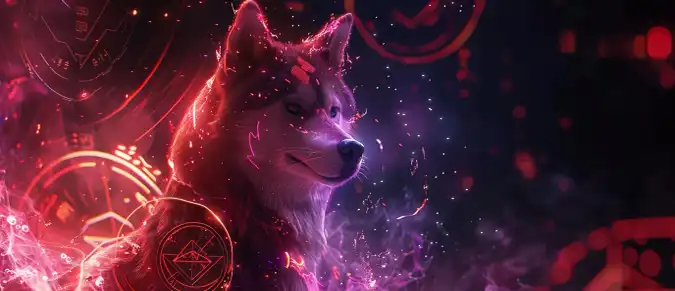

DogeVille Pack is a blockchain game that combines NFT collection, virtual settlement management, and GameFi mechanics. The project is focused on the long-term development of digital assets, where players interact with characters, resources, and infrastructure within a decentralized economy. Unlike traditional play-to-earn games, DogeVille Pack emphasizes strategy, gradual progression, and ecosystem sustainability.
Table of Contents
- Concept and Positioning of DogeVille Pack
- Gameplay and Core Game Mechanics
- NFT Characters and the Progression System
- Economic Model and Resources in DogeVille Pack
- Project Development and Conclusion
1. Concept and Positioning of DogeVille Pack
DogeVille Pack was developed as part of a broader blockchain ecosystem aimed at creating sustainable digital worlds. The core concept is based on a virtual settlement where every element—characters, resources, and upgrades—is represented as an on-chain asset. This ensures transparent ownership and allows players to retain full control over their digital assets.
The project follows GameFi principles while avoiding an aggressive focus on short-term profits. Instead, the emphasis is placed on value accumulation through participation, development, and strategic planning. This approach reduces speculative pressure on the economy and supports more balanced ecosystem growth.
Integration with shared infrastructure allows DogeVille Pack to use unified NFT standards and economic rules. This simplifies scalability and creates opportunities for interaction with other products within the ecosystem.
Additionally, the concept assumes that player decisions directly shape the internal dynamics of the world. Settlement development depends on consistent management choices rather than random factors. This strengthens the sense of responsibility for decisions made and results in a more meaningful, long-term gameplay experience.
2. Gameplay and Core Game Mechanics
The gameplay of DogeVille Pack revolves around managing a virtual settlement and assigning roles to NFT characters. Players make decisions that directly affect resource efficiency and development speed.
- Managing NFT characters and defining their specializations
- Developing the settlement and upgrading infrastructure
- Completing in-game tasks and recurring activities
- Interacting with the ecosystem’s economic systems
The mechanics are designed around gradual progression. Most actions require both resources and time, preventing rapid growth through repetitive operations. This makes the gameplay more predictable and balanced.
Additional importance is placed on synergy between characters and buildings. Efficient role distribution increases settlement productivity, while management mistakes can slow development, encouraging analysis and planning. As a result, gameplay actively fosters strategic thinking.
3. NFT Characters and the Progression System
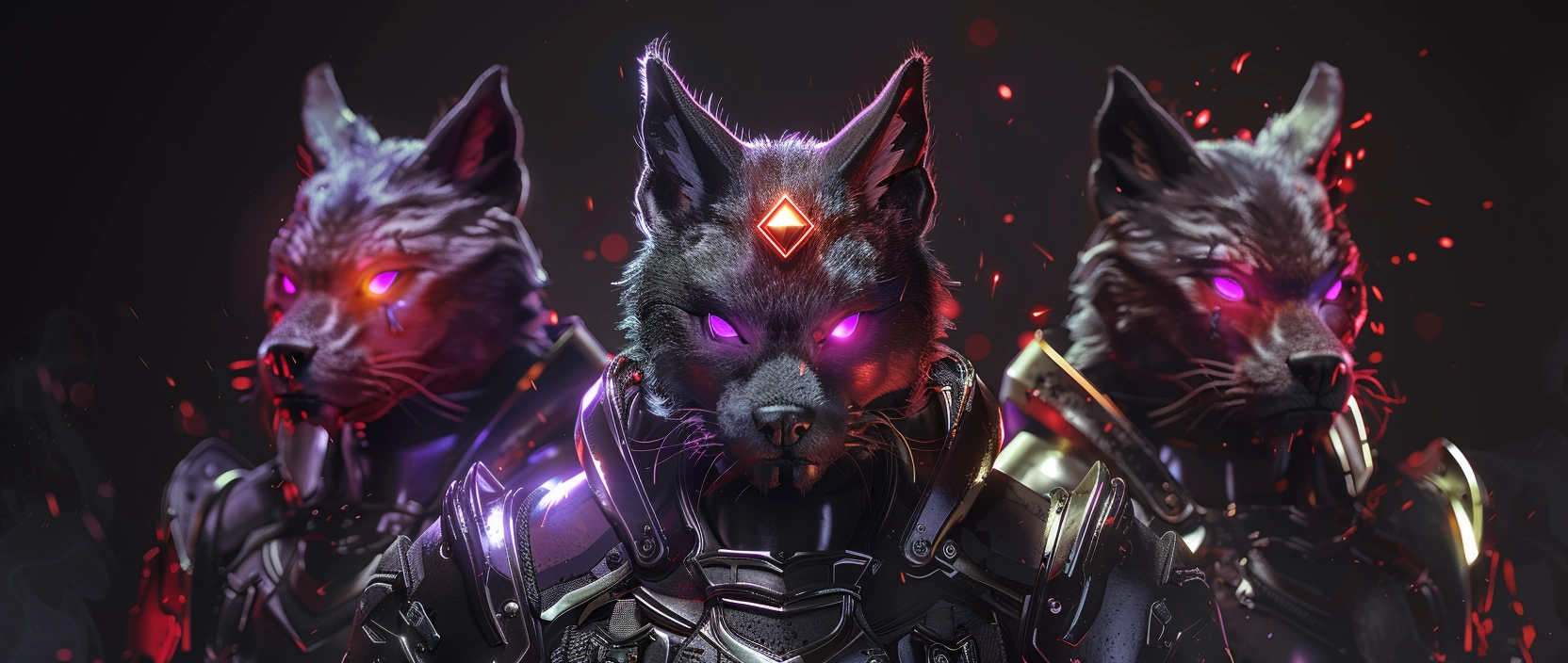
The core elements of DogeVille Pack are NFT characters, each with unique attributes and a specific role within the settlement. These parameters determine task efficiency and long-term development potential.
The progression system allows players to upgrade characters, increase their levels, and unlock new capabilities. All changes are recorded on the blockchain, ensuring the immutability of each NFT’s development history.
The collectible aspect significantly enhances character value. Rarity and attribute combinations directly influence demand both within the game and on secondary markets.
Additionally, players can assemble optimized character sets for different gameplay objectives. This increases the value of NFT diversity and can shape settlement development strategies over time. As a result, NFTs become the foundation of an individual playstyle.

4. Economic Model and Resources in DogeVille Pack
The economy of DogeVille Pack is based on in-game resources and tokens used for settlement development and character maintenance. The model is designed to prevent value accumulation without active gameplay participation.
| Component | Purpose | Role in the Economy |
|---|---|---|
| Resources | Development | Used for construction and upgrades |
| Tokens | Gameplay actions | Provide access to mechanics and activities |
| Spending mechanisms | Balance | Reduce inflation and regulate asset circulation |
Resource acquisition is tied to in-game activities, encouraging active participation. Ongoing spending mechanisms create sustained demand and help maintain economic balance.
Additionally, the economic model accounts for varying player activity levels. This allows equilibrium to be maintained between new and experienced participants. Resources retain their value as the audience grows, increasing the overall stability of the system.
5. Project Development and Conclusion
DogeVille Pack is developing in line with modern blockchain gaming trends, where sustainability and engagement are key success factors. The project focuses on gradual feature expansion and deeper gameplay mechanics.
The community plays an important role in shaping the ecosystem. Player feedback influences balance adjustments and development priorities, helping to build trust between the team and its audience. From an analytical perspective, DogeVille Pack demonstrates how NFT and GameFi mechanics can be integrated into a strategy game without compromising gameplay quality. The economy and gameplay complement one another.
DogeVille Pack serves as an example of a blockchain game focused on long-term growth and meaningful use of digital assets. The project combines strategy, collection, and a decentralized economy, creating a foundation for sustainable player interaction within the Web3 ecosystem and establishing potential for future expansion.











