

Internet Computer (ICP) is one of the most ambitious projects in the blockchain industry. While most cryptocurrency networks focus on transferring digital assets and executing smart contracts, ICP presents a much broader vision. The project aims to create a decentralized computing environment capable of replacing parts of the traditional internet infrastructure. The platform allows applications to run directly on the blockchain, store data without centralized servers, and operate web services independently of major cloud providers. Through its innovative architecture and unique technological approach, Internet Computer has established itself as a distinctive player in the Web3 ecosystem and continues to expand its capabilities.
Contents
- Internet Computer: A Decentralized Web3 Platform
- Project Architecture and Technologies
- Core Features and Network Advantages
- ICP Token and Ecosystem Economy
- Key Characteristics and Future Outlook

1. Internet Computer: A Decentralized Web3 Platform
Internet Computer is a public blockchain network developed by the DFINITY Foundation. The project's primary objective is to create a decentralized alternative to traditional cloud computing platforms. Today, most online services rely on infrastructure owned and operated by major technology companies. These providers control data storage, computing resources, and application hosting, creating a significant degree of centralization across the internet.
Internet Computer proposes a different model. Instead of hosting applications on centralized servers, developers can deploy them entirely on the blockchain. This includes not only transaction processing and data storage but also application logic, backend services, and even web interfaces. As a result, developers can build fully decentralized applications that remain operational without depending on traditional cloud infrastructure.
The project is closely aligned with the broader vision of Web3, where users gain greater ownership of their data and digital identities. By combining decentralized computing, storage, and governance into a single ecosystem, Internet Computer aims to provide the foundation for a new generation of internet services. This approach positions ICP as more than just a cryptocurrency; it is a comprehensive platform for building decentralized digital products.
2. Project Architecture and Technologies
The technical architecture of Internet Computer differs significantly from that of most blockchain networks. At its core are canister smart contracts, specialized software containers that combine code and data in a single environment. Unlike traditional smart contracts, canisters can store large amounts of information and perform complex computations, making them suitable for hosting complete applications.
To achieve scalability, Internet Computer uses a system of independent subnet blockchains. Each subnet consists of validator nodes that collectively process transactions and execute canister operations. Workloads are distributed across multiple subnets, enabling the network to expand its capacity as demand grows without sacrificing performance.
One of the most innovative technologies within ICP is Chain Key Cryptography. This protocol-level cryptographic system enables the network to manage digital signatures efficiently and interact with external blockchains without relying on traditional bridges. The technology forms the basis of Chain Fusion, a framework that allows Internet Computer to integrate directly with networks such as Bitcoin and Ethereum.
Governance is handled through the Network Nervous System (NNS), a decentralized autonomous governance mechanism. Token holders can stake ICP, participate in voting, and influence decisions regarding protocol upgrades, economic parameters, and network development. This governance model helps ensure that the future of the platform is shaped by its community rather than a centralized authority.
3. Core Features and Network Advantages
Internet Computer offers a range of features designed to support the development of decentralized applications at scale. Unlike many blockchain platforms that focus primarily on financial use cases, ICP seeks to provide a complete environment for building internet services. Its architecture integrates computing, storage, identity, and interoperability into a single ecosystem, creating opportunities for a wide variety of applications.
The network's capabilities are particularly attractive to developers looking for alternatives to traditional cloud infrastructure. By combining blockchain security with web-scale functionality, Internet Computer aims to make decentralized applications more practical and accessible for both businesses and end users.
- Fully decentralized applications. Developers can host application interfaces, business logic, and data directly on the blockchain.
- High performance. The subnet architecture enables fast transaction processing and responsive application performance.
- Cross-chain connectivity. Chain Fusion allows seamless interaction with Bitcoin, Ethereum, and other blockchain ecosystems.
- Internet Identity. Users can authenticate without passwords through advanced cryptographic identity solutions.
- Reverse Gas model. Applications cover computational costs, eliminating the need for users to pay transaction fees for every interaction.
- Developer flexibility. Support for WebAssembly and multiple programming languages simplifies the creation of sophisticated applications.
Together, these features position Internet Computer as a comprehensive infrastructure layer for Web3 development. The platform reduces reliance on centralized service providers while giving developers greater control over their applications and data.
As the ecosystem matures, these advantages could encourage broader adoption of decentralized services across industries ranging from finance and gaming to social media and digital identity management.
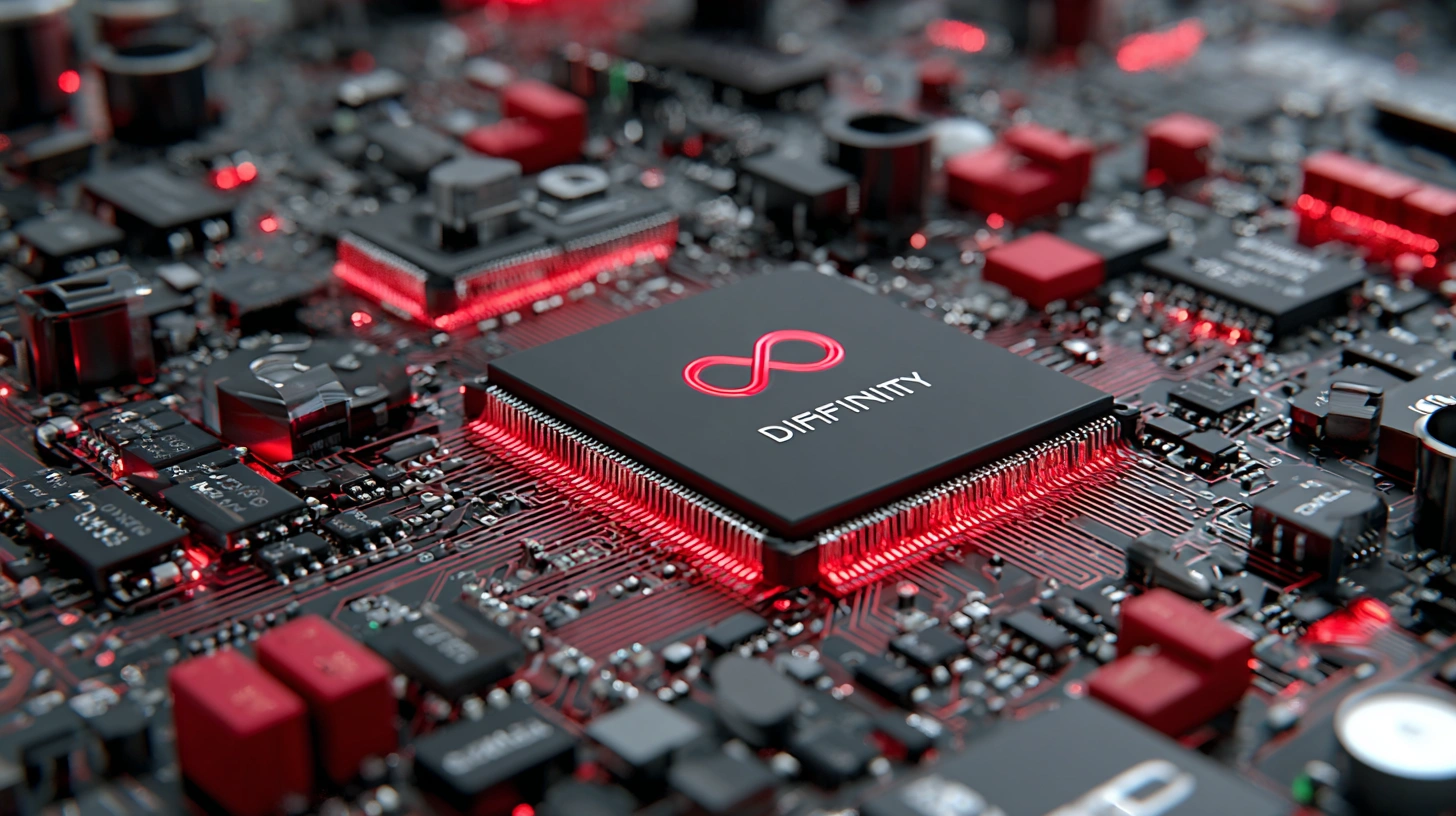
4. ICP Token and Ecosystem Economy
The native asset of the network is the ICP token. Its role extends far beyond serving as a tradable cryptocurrency. Token holders can participate in governance through staking and voting mechanisms within the Network Nervous System. Users who lock their tokens for longer periods typically gain greater voting power and may receive higher rewards for participating in governance activities.
ICP also plays a critical role in powering the network's computational infrastructure. Tokens can be converted into cycles, a resource used to pay for storage, computation, and application execution. This mechanism helps stabilize operating costs for developers and reduces the direct impact of market volatility on application maintenance.
The economic model is designed to encourage both ecosystem growth and active governance participation. As more applications are deployed and utilized, demand for computational resources increases, creating additional utility for the token. This relationship between network usage and resource consumption forms a key component of the Internet Computer economy.
5. Key Characteristics and Future Outlook
Internet Computer occupies a unique position among blockchain projects due to its goal of combining computing, storage, governance, and interoperability within a single decentralized ecosystem. Rather than focusing solely on financial transactions, the platform aims to support complete internet-scale applications that can operate without traditional servers or cloud providers.
| Parameter | Description |
|---|---|
| Name | Internet Computer (ICP) |
| Developer | DFINITY Foundation |
| Network Type | Layer 1 Blockchain |
| Governance Mechanism | Network Nervous System (NNS) |
| Native Asset | ICP |
| Smart Contracts | Canister Smart Contracts |
| Scaling Architecture | Subnet Architecture |
| Primary Use Cases | Web3, DeFi, DAOs, Social Platforms, Digital Identity |
| Integrations | Bitcoin, Ethereum, and other networks through Chain Fusion |
The characteristics above illustrate how Internet Computer extends beyond the traditional role of a blockchain network. The platform supports decentralized web applications, passwordless identity systems, advanced governance mechanisms, and direct interoperability with external blockchains. These capabilities contribute to a broader vision of a decentralized internet infrastructure.
The future success of ICP will depend on continued ecosystem growth, developer adoption, and real-world demand for decentralized applications. Competition from both established blockchain platforms and traditional cloud providers remains significant. Nevertheless, Internet Computer has introduced several innovative concepts that differentiate it from many other Layer 1 networks. As Web3 technologies continue to evolve, ICP remains one of the most interesting projects to watch for developers, businesses, and investors interested in the future of decentralized computing.











