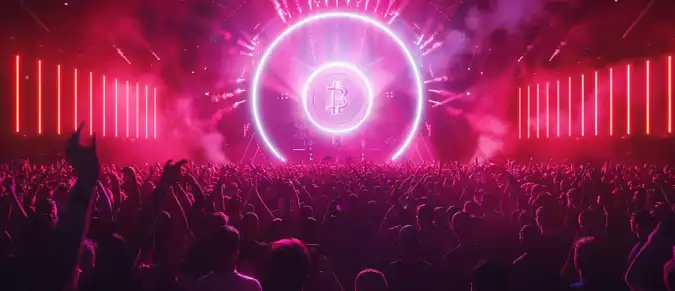

Medallion is a next-generation blockchain platform designed to establish direct interaction between artists and their audiences. It enables musicians, digital creators, and creative brands to build autonomous communities, monetize their work without intermediaries, and manage access to exclusive content using NFT mechanics. Medallion merges the simplicity of Web2 with the transparency and ownership model of Web3, allowing fans to obtain unique digital “medallions” while giving artists full control over their own ecosystems without relying on streaming algorithms or social media platforms. In this article, we explore the platform’s core features, technological architecture, economic model, and practical use cases.
Contents
- Medallion Concept: A New Model of Artist–Fan Interaction
- Technological Structure and Key Platform Components
- Platform Economy: NFTs, Monetization, and Access Levels
- Who Uses Medallion and Why — Main Use Cases
- Advantages and Risks of the Medallion Platform
- Conclusion

1. Medallion Concept: A New Model of Artist–Fan Interaction
Medallion gives artists the ability to fully control their digital universe — from releases and early listening sessions to exclusive events and merchandise drops. Unlike traditional platforms where content visibility depends heavily on algorithms and marketing constraints, Medallion enables direct communication and engagement between artists and their fans. This creates a unique space where supporters become part of an inner circle, while artists gain complete creative freedom over how and when they distribute their work.
One of the core elements of this ecosystem is the digital “medallion” — an NFT automatically issued to a fan when they join an artist’s community. It acts as a personalized access pass to the private ecosystem and determines which materials the fan can view or participate in. This creates a new engagement model in which value is defined not by likes or views, but by genuine participation and involvement.
The Medallion concept is also rooted in digital ownership: fans receive verifiable proof of their membership, while artists obtain transparent insights into engagement without manipulation by external algorithms. The platform removes reliance on third-party systems, ensuring that relationships between creators and their audiences remain authentic and unfiltered. Artists can gradually expand their digital environment by adding new forms of interactivity, eventually transforming it into a full Web3 ecosystem surrounding their work.
Over time, Medallion could become a foundational tool for independent creators seeking to build long-term communities. This approach establishes a deeper connection between artists and fans, creating a sustainable digital economy built around creativity. In the broader context, the platform may redefine how modern fan engagement functions in the music and creator industries.
2. Technological Structure and Key Platform Components
The Medallion platform is built on a hybrid Web2 + Web3 model. This means the user interface remains familiar and accessible, while blockchain technology ensures transparency and true ownership of digital assets. This combination reduces barriers to entry and makes Web3 interactions simple even for users with no crypto experience.
The platform contains several essential modules:
- Medallion NFTs. A digital pass that unlocks exclusive content, releases, event access, and confirms fan status within the community.
- Access System. Artists can create layered privileges and restrict content availability based on medallion type or rarity.
- E-commerce integration. Medallion supports direct sales of digital albums, merch, tickets, and limited-edition drops.
- Release management tools. Artists can launch albums, previews, demos, and exclusive tracks visible only to NFT holders.
Underlying the platform is an infrastructure that allows creators to set up fully branded, personalized fan hubs without writing code. These spaces preserve the artist’s visual identity while leveraging Web3 mechanisms for data security and authentication. The system supports wallet integration but does not require it, ensuring easy onboarding for newcomers.
Thanks to its modular nature, Medallion grows alongside the artist. As a creator gains traction, they can enable more features, introduce extra access tiers, and expand community-driven economics. Ultimately, the platform becomes not just a publishing tool, but a continuous, evolving digital ecosystem.
3. Platform Economy: NFTs, Monetization, and Access Levels
The economic structure of Medallion revolves around three main components: NFT medallions, direct monetization tools, and a flexible access-level system. Artists can use the platform as a standalone commercial infrastructure, avoiding intermediaries and keeping revenue within their own communities.
Key economic elements include:
| Economic Element | Description and Role |
|---|---|
| NFT Medallions | Provide access to exclusive drops, releases, events, and tiered privileges within the community. |
| Digital Goods | Digital albums, limited releases, collectible cards, and rare creative materials. |
| Merch & Tickets | Direct sales of physical products and NFT-based tickets with no middleman fees. |
| Tokenized Access | Tiered benefits based on the type, rarity, or ownership level of a medallion. |
Medallion prioritizes utility over speculation: NFT medallions are functional tools that deliver real benefits and allow fans to access exclusive experiences. This approach builds a more sustainable environment where purchases are motivated by engagement rather than resale value.
Artists can set pricing models, release limited-edition collectibles, or design unique digital experiences. This flexibility strengthens community loyalty and encourages fans to support creators directly. For listeners, these medallions become a gateway to a curated cultural experience available only within the artist’s digital sphere.

4. Who Uses Medallion and Why — Main Use Cases
Although Medallion primarily targets musicians, the platform is suitable for a wide range of creative industries. It enables long-term community building, deeper engagement, and innovative participation formats.
Main use cases include:
- Independent artists. Build self-governed spaces without labels, streaming restrictions, or platform censorship.
- Bands and music labels. Create fan clubs, launch pre-sales, and issue NFT releases.
- Digital artists and creators. Sell collections, memberships, or access to private content vaults.
- Event organizers. Use NFT tickets and token-gated entry systems.
- Fan communities. Build social hubs for communication, collaboration, and digital collecting.
Every scenario highlights the platform’s emphasis on community as the foundation of creative success. Medallion shortens the distance between artist and fan, enabling more intimate and meaningful interactions. Through continuous content updates, creators can keep audiences engaged far longer than on conventional social platforms.
The combination of creative tools and Web3 technology opens new participation formats — from early-access releases to private Q&A sessions, virtual meetups, and tokenized experiences. Fan spaces become dynamic digital worlds rather than passive pages with static posts.
5. Advantages and Risks of the Medallion Platform
Medallion offers a range of strong benefits that make it an appealing solution for artists and their audiences. One of its key advantages is direct access to fans: artists maintain full control over their content, communication channels, and distribution, without relying on external algorithms. This creates a more transparent and authentic model of interaction.
Another significant strength is the platform’s accessibility for Web2 users. Since fans can sign in using only an email address, without the need for a crypto wallet, the entry barrier becomes much lower. This makes Medallion suitable not only for experienced Web3 users but also for mainstream audiences who may be unfamiliar with blockchain technology.
However, the platform also comes with certain challenges. One notable risk is the volatility of the Web3 market, where NFT demand can fluctuate, and fan engagement may shift depending on overall digital economic conditions. This adds uncertainty to long-term strategies for creators using the platform. Additionally, Medallion’s effectiveness heavily depends on the artist’s activity level: consistent exclusive releases and ongoing engagement are essential to maintain audience interest. Without regular updates, fan enthusiasm may decline quickly.
Despite these risks, Medallion remains highly flexible. Artists can gradually expand their digital ecosystem, integrate new access tiers, launch digital or physical products, and introduce NFT-based experiences. This layered structure strengthens community bonds and supports long-term fan engagement. With a thoughtful strategy, Medallion can become a powerful foundation for creative growth in the modern Web3 landscape.
6. Conclusion
Medallion is more than a Web3 platform — it represents a new paradigm for building digital communities around creativity. It empowers artists with independence, offers fans meaningful participation, and provides the creative industry with an alternative to algorithm-driven platforms. With its modular design, accessibility, and strong monetization tools, Medallion stands out as one of the most promising Web3 solutions for musicians and creators.
For artists aiming to control their audience relationships and build sustainable digital ecosystems, Medallion can become a strategic asset. Those who actively engage their communities, release exclusive content, and innovate within their digital spaces will find the platform exceptionally valuable. At the same time, users should remain aware of Web3 risks and adopt a balanced approach to digital asset management.











