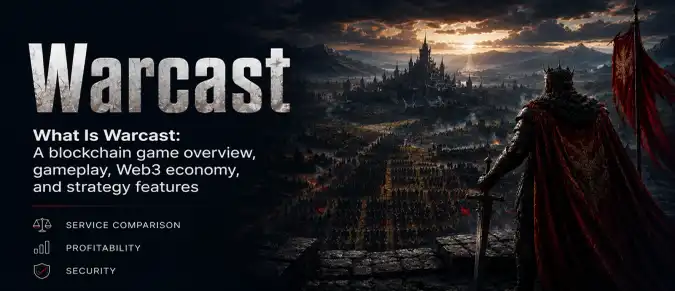

Warcast is a multiplayer strategy game with Web3 elements, where the main focus is on long-term state development, territory control, and player interaction within a shared game world. The project combines classic 4X mechanics — eXplore, eXpand, eXploit, and eXterminate — with blockchain infrastructure that enables the use of digital in-game assets. Instead of relying only on fast-paced battles, Warcast emphasizes strategic planning, economic management, and participation in large-scale conflicts. This approach reflects a broader trend in blockchain gaming, where Web3 technologies are gradually becoming part of the gameplay rather than the only defining feature.
Contents
- What Is the Warcast Blockchain Game?
- Gameplay and Core Game Mechanics
- Web3 Integration and Digital Assets in Warcast
- Warcast Compared with Traditional Strategy Games and Web3 Titles
- Warcast's Future and Its Position in the GameFi Market
1. What Is the Warcast Blockchain Game?
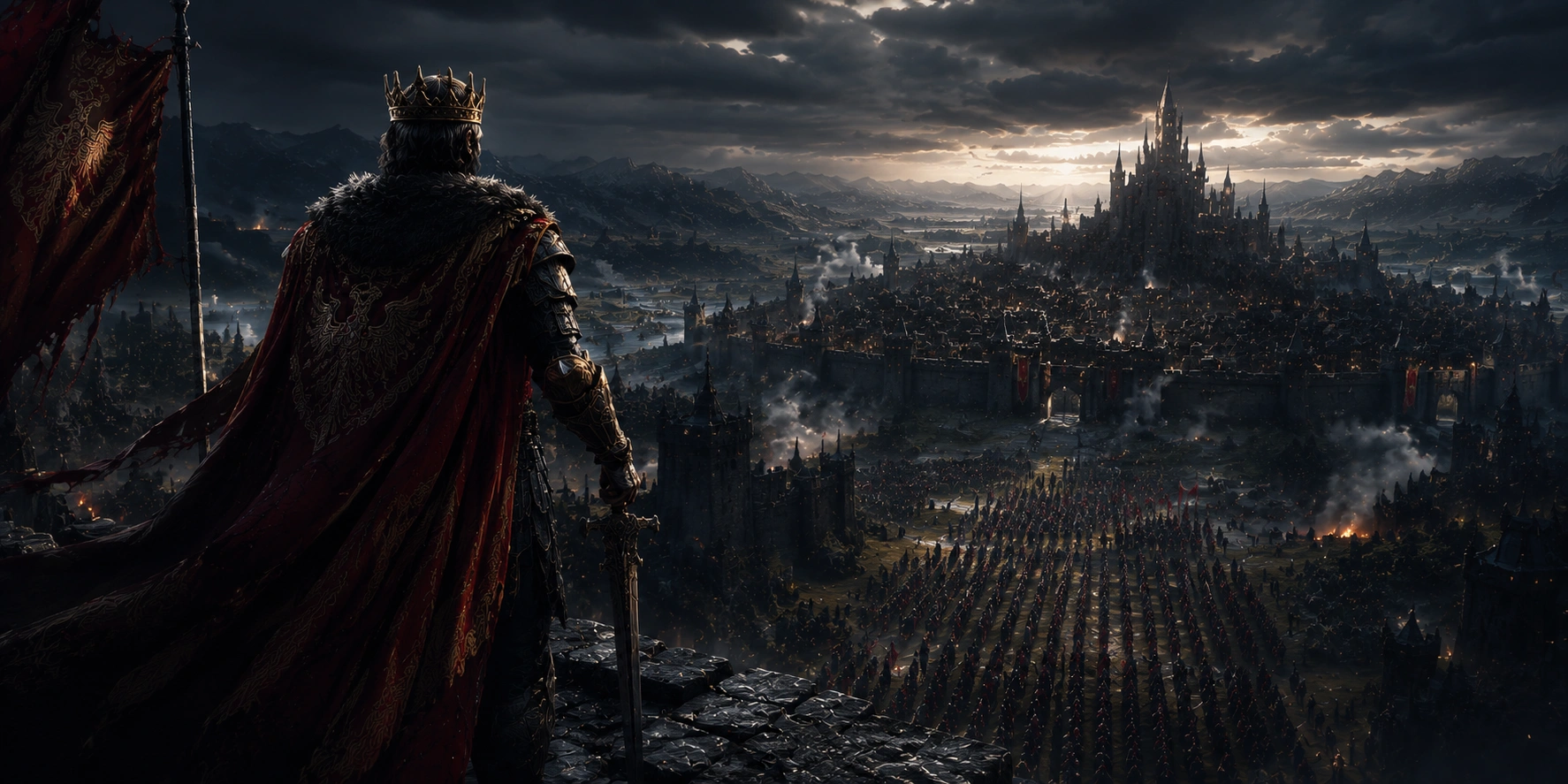
Warcast belongs to the category of multiplayer online strategy games where players develop their own kingdoms, explore the surrounding world, gather resources, and gradually expand their influence. The gameplay is built around a persistent world in which every player's decisions can affect the balance of power and the development of events across the entire game environment.
Unlike many early Web3 games that focused primarily on NFTs or in-game tokens, Warcast places strategic gameplay at the center of the experience. Economic management, infrastructure development, resource allocation, and diplomacy between alliances are just as important as military campaigns.
The project follows the design principles of modern 4X strategy games. Players gradually expand their territory, construct new buildings, research technologies, build armies, and compete against rival kingdoms. Success depends not only on military strength but also on effective economic planning, logistics, and cooperation with allied players.
Another distinguishing feature is the long lifecycle of its persistent worlds. Decisions made during the early stages of development can significantly influence a player's position much later, making long-term strategic planning more valuable than short-term victories.
2. Gameplay and Core Game Mechanics
The gameplay revolves around the continuous development of a player's kingdom. At the beginning, players receive limited resources and basic infrastructure before gradually expanding their economy, unlocking new technologies, and increasing the size of their military forces. As progression continues, additional mechanics become available, including diplomacy, world exploration, and large-scale warfare.
Most decisions have lasting consequences for future development. Research priorities, economic specialization, and resource allocation between construction and military expansion shape each player's unique strategic approach.
Key Gameplay Features
- Building and expanding your own kingdom and economy;
- Exploring territories and discovering valuable resources;
- Constructing production and defensive structures;
- Recruiting and upgrading military units;
- Joining alliances and participating in diplomacy;
- Controlling strategically important regions;
- Developing a long-term kingdom strategy.
This structure creates a slower, more thoughtful gameplay experience compared to titles focused primarily on fast-paced PvP battles. Success largely depends on strategic analysis, efficient resource management, and cooperation with other players across the shared world.
3. Web3 Integration and Digital Assets in Warcast
One of Warcast's defining characteristics is the integration of Web3 technologies without shifting the entire focus toward financial mechanics. Blockchain functions primarily as infrastructure for managing digital assets and supporting the in-game economy, while strategic gameplay remains the project's core component. This approach reflects the broader evolution of GameFi, where technology enhances gameplay instead of replacing it.
Within the game's ecosystem, digital assets can represent ownership of specific in-game items, collectible assets, or progression-related content. Blockchain technology provides transparency for asset ownership while allowing players to retain greater control over their digital property.
Another important advantage of Web3 integration is the creation of an open gaming economy. With compatible infrastructure, digital items may exist beyond the game itself and be stored in supported cryptocurrency wallets. This differs from traditional online games, where all virtual items remain entirely under the control of centralized game servers.
At the same time, successful blockchain games require a careful balance between gameplay and economic incentives. If earning digital assets becomes the sole objective, player engagement with the strategy itself may decline. For this reason, projects such as Warcast aim to design gameplay systems where the value of digital assets depends primarily on player activity, world development, and meaningful strategic decisions.
4. Warcast Compared with Traditional Strategy Games and Web3 Titles
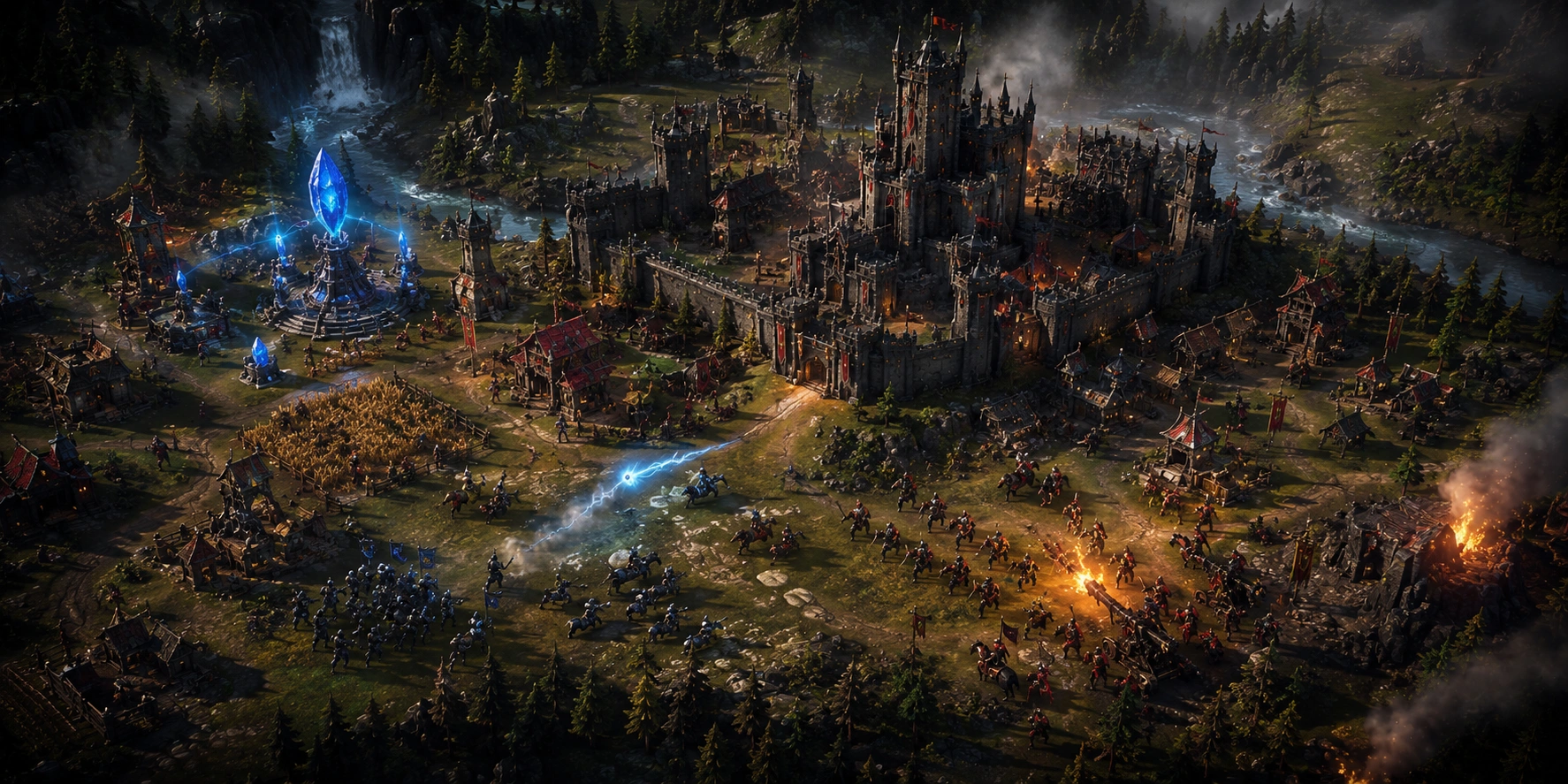
Warcast combines the strengths of traditional multiplayer strategy games with modern blockchain technology. On one hand, it relies on familiar gameplay mechanics such as kingdom development, territorial expansion, resource management, technological progression, and military strategy. On the other hand, it incorporates Web3 infrastructure that enables digital asset ownership and supports a more transparent player-driven economy.
This combination positions Warcast as an example of the next generation of GameFi projects. Rather than replacing established strategy mechanics with financial incentives, the game integrates blockchain technology into a familiar gameplay loop, allowing Web3 features to complement rather than dominate the overall experience.
| Criterion | Warcast | Traditional Strategy Games | Typical Web3 Games |
|---|---|---|---|
| Core Gameplay | 4X strategy gameplay | Strategic kingdom development | Varies by genre |
| Economy | Combination of game and digital economies | Traditional in-game economy | Often centered around digital assets |
| Ownership of Assets | Supported through Web3 infrastructure | Controlled entirely by the developer | Uses NFTs and blockchain technology |
| Player Interaction | Alliances, diplomacy, and warfare | Depends on the game | Usually includes multiplayer interaction |
| Persistent World | Shared persistent multiplayer world | Varies by title | Depends on the project |
This model appeals both to players who enjoy deep strategic gameplay and to users interested in Web3 technologies. However, the project's long-term success will depend on gameplay quality, regular content updates, balanced progression systems, and the sustainability of its in-game economy.
5. Warcast's Future and Its Position in the GameFi Market
The blockchain gaming industry continues to evolve. While many early GameFi projects were built primarily around reward-generation models, modern developers increasingly prioritize engaging gameplay. Warcast reflects this shift by presenting blockchain as supporting infrastructure rather than the primary attraction, placing long-term strategic gameplay at the center of the player experience.
The future growth of projects like Warcast depends on several factors, including gameplay balance, consistent content updates, expanding multiplayer systems, and seamless integration of digital assets. Maintaining a healthy in-game economy while supporting an active player community will also be essential for long-term sustainability.
Within the GameFi ecosystem, projects like Warcast demonstrate how blockchain technology can enhance traditional gaming genres. Rather than creating standalone financial products, developers use Web3 infrastructure to improve digital ownership, increase transparency, and give players greater control over their virtual assets.
Overall, Warcast illustrates the direction in which modern blockchain gaming is moving. By combining deep strategic gameplay, persistent multiplayer worlds, player-driven economies, and Web3 technology, the project reflects the industry's transition toward more mature gaming ecosystems where gameplay quality comes first and blockchain serves as an enabling technology rather than the primary focus.











