
Daylight Energy is an energy DePIN project that combines distributed energy resources, residential solar panels, battery storage, and blockchain infrastructure. The company is building a network of small-scale energy systems installed in homes and connecting them through software into a coordinated system capable of interacting with the power grid. In 2024, Daylight launched a testnet on Base and incentivized users to connect energy devices through a Points system, while by 2025–2026 the model had expanded to physical Energy Subscriptions and the DayFi financial protocol. It is important not to confuse the energy-focused Daylight with the Web3 service of the same name previously associated with the daylight.xyz domain: the current energy project operates through Daylight Energy and DayFi.
Contents:
- Daylight Energy: How the Energy DePIN Works
- Solar Panels, Batteries, and Daylight VPP
- Energy Subscription, Sun Points, and Network Economy
- Base, DayFi, GRID, and Blockchain Infrastructure
- Daylight Energy Development and Key Project Risks
1. Daylight Energy: How the Energy DePIN Works
Daylight was founded in 2022 by energy industry professionals Jason Badeaux, Udit Patel, and Evan Caron. The original idea was to create an open network of Distributed Energy Resources, or DERs. These include solar inverters, home batteries, electric vehicles, thermostats, and other equipment capable of generating, storing, or flexibly consuming electricity.
In a traditional power system, such devices belong to different households and are not always available to grid operators as a single manageable resource. Daylight creates a software layer that connects distributed equipment and allows its combined capacity to support the grid. For example, connected batteries can supply energy during periods of high demand or adjust their operating modes according to grid conditions.
In 2024, the project raised $9 million in a Series A round led by a16z crypto, with participation from Framework Ventures, Lattice Fund, Escape Velocity, and Lerer Hippeau. Including previous financing, Daylight had raised approximately $13 million at that point. At the same time, the company launched a testnet on Base, where users could connect compatible devices and receive Points for participation.
The project's model subsequently expanded beyond its original DePIN protocol. Daylight began directly linking the installation of solar panels and batteries with the creation of a distributed energy network, while blockchain is primarily used as an economic and financial layer. Electricity itself continues to flow through traditional infrastructure — blockchain does not replace transmission lines or local power grids.
2. Solar Panels, Batteries, and Daylight VPP
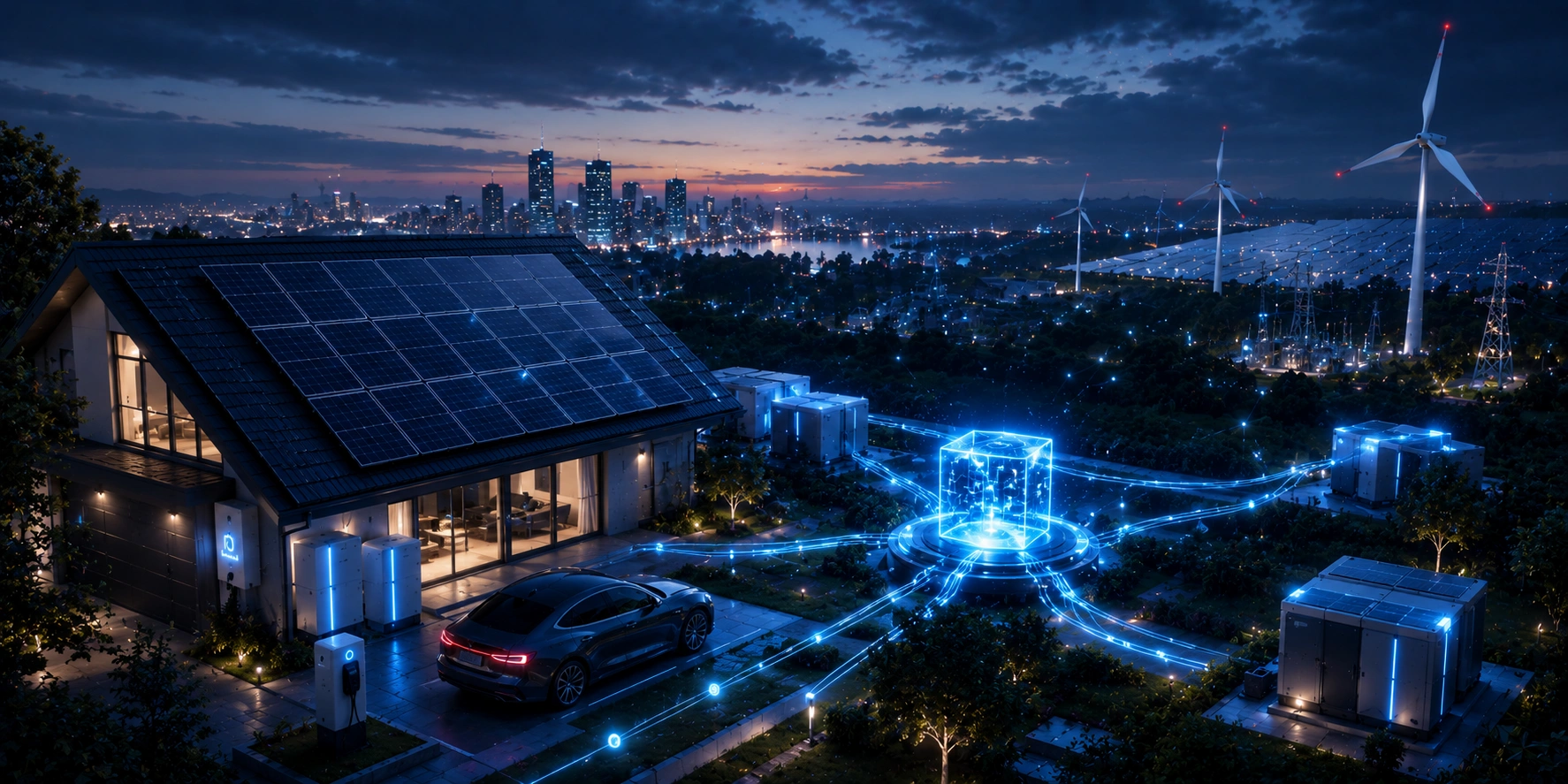
Residential solar + battery systems have become a key physical component of Daylight's current model. The company installs solar panels and batteries and then connects equipment from different homes through a software platform. Each installation becomes a small distributed power plant that supplies energy to the homeowner while also being capable of participating in a larger network.
The battery serves two main functions. For the homeowner, it provides backup power during outages and stores electricity generated by solar panels. For Daylight, batteries represent controllable energy resources: a group of connected devices can operate as a Virtual Power Plant, or VPP, responding to energy market signals and periods of increased grid demand.
Daylight's energy model includes several components:
- Solar — distributed electricity generation from residential rooftop systems.
- Battery Storage — energy storage and backup power during outages.
- Virtual Power Plant — aggregation of batteries into a controllable energy resource.
- Telemetry — monitoring electricity generation, storage, and equipment performance.
- Grid Services — using battery flexibility to support the power grid.
- Energy Data — data from connected devices used to manage distributed resources.
- Onchain Finance — a financial layer for attracting capital to energy infrastructure.
Energy installations can potentially generate revenue from several sources. In addition to household payments for generated electricity, the system can receive revenue from battery participation in VPP programs, demand management, and other energy markets. Depending on the region, government incentives and environmental attributes may also contribute to the economics of individual installations.
3. Energy Subscription, Sun Points, and Network Economy
Daylight uses an Energy Subscription model to connect new physical assets to the network. The company installs solar panels and a backup battery without requiring an upfront payment from the household and retains ownership of the system. The customer purchases the electricity generated by the installation under a contractual agreement while also gaining access to backup power.
This structure allows Daylight to manage the equipment as part of a unified energy portfolio. DayFi documentation describes agreements with households as Power Purchase Agreements. A typical contract may run for 15–25 years, with payments calculated according to measured electricity production. This creates a long-term cash flow linked to physical infrastructure.
Under the early testnet model, users received Daylight Points for connecting energy devices, completing electrification upgrades, and participating in the community. Sun Points were later introduced as part of the consumer model. According to Daylight, subscribers can earn them by participating in the distributed network and use them within the application, including for available rewards or subscription payments.
Points and Sun Points should not automatically be considered cryptocurrencies or a promise of a future token. When the testnet launched in 2024, Daylight's management did not confirm that Points would be converted into a proprietary token. By 2026, the project's blockchain strategy had gained a separate financial structure through DayFi, so the current system should be distinguished from earlier expectations surrounding a potential DePIN token.
4. Base, DayFi, GRID, and Blockchain Infrastructure
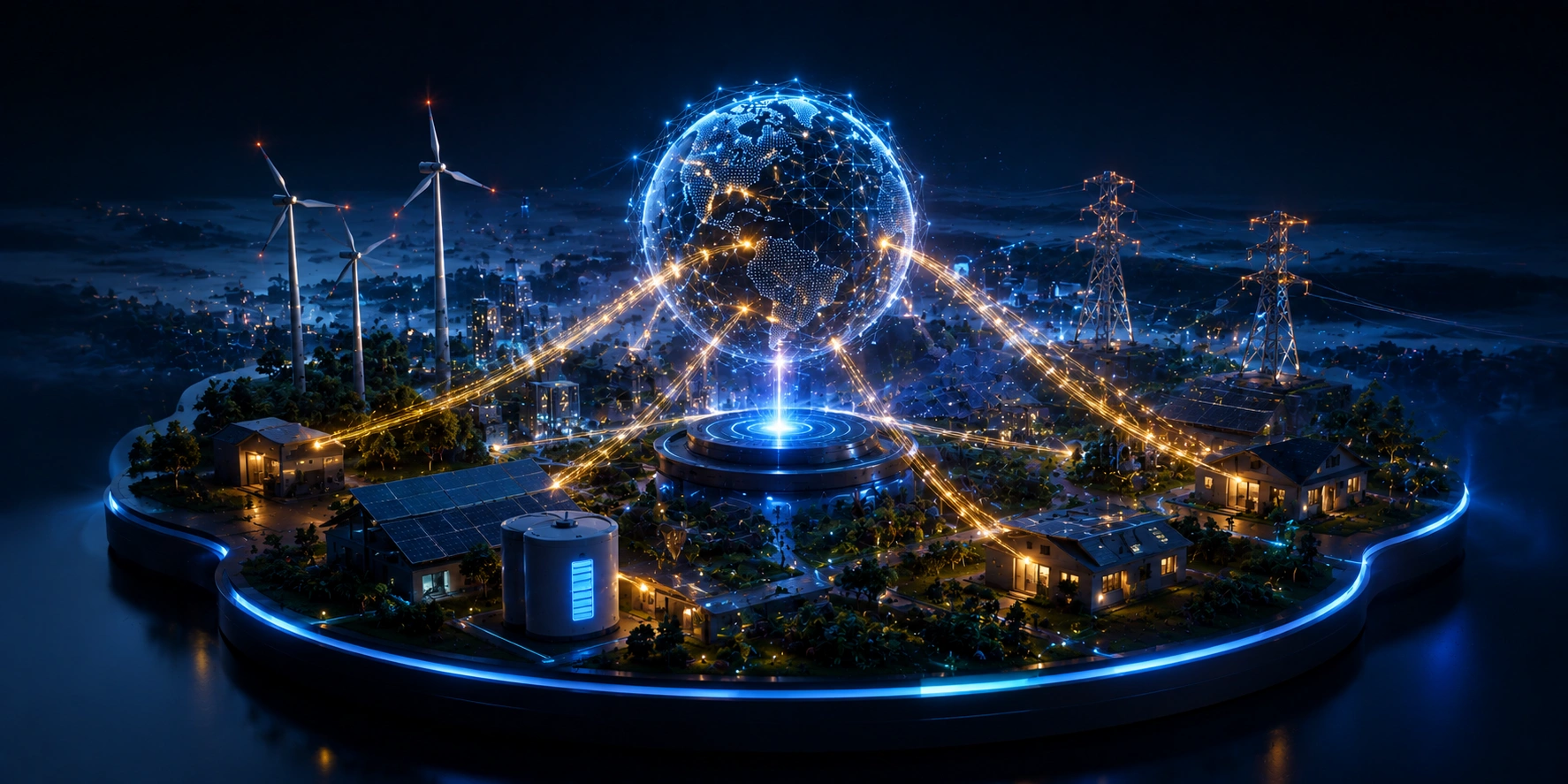
Daylight's first public blockchain model was connected to Base, an Ethereum Layer 2 network where the project's testnet launched in 2024. Its purpose was to create a programmable incentive system around connected energy devices and data. The Web3 strategy later expanded with the introduction of DayFi, designed not only to coordinate devices but also to finance distributed energy infrastructure.
DayFi connects DeFi capital with solar and battery installations. Under the protocol model, PPA agreements can be tokenized, while capital is directed toward financing physical energy assets. Revenue from the underlying assets can come from electricity payments, VPP programs and, depending on the project, government incentives or environmental attributes.
| Component | Purpose | Role in the System |
|---|---|---|
| Daylight Energy | Distributed energy network | Solar, batteries, and asset management |
| Energy Subscription | Household participation | Equipment financing and installation |
| VPP | Virtual Power Plant | Battery aggregation and grid services |
| DayFi | Onchain financing | Connecting DeFi with energy assets |
| GRID | Core DayFi digital asset | Protocol liquidity and settlement |
| sGRID | Yield-bearing asset | Exposure to energy infrastructure revenue |
In late 2025, DayFi introduced GRID and sGRID. GRID is described as a fully backed asset built on M0 infrastructure, while sGRID is designed to provide exposure to yield associated with underlying reserves and energy-related cash flows. In 2026, the DayFi System v1.0 documentation further formalized the protocol's architecture. As a result, Daylight's Web3 component has gradually shifted from a basic DePIN reward system toward an RWA and onchain capital markets model for distributed energy.
5. Daylight Energy Development and Key Project Risks
In October 2025, Daylight raised an additional $75 million. The financing consisted of $15 million in equity led by Framework Ventures and $60 million in project financing led by Turtle Hill Capital. The funds were intended to expand the network of residential solar + battery installations. Participants in the equity portion also included a16z crypto, Coinbase Ventures, M13, Lerer Hippeau, and other investors.
Daylight's main distinguishing feature is the combination of three different layers: physical energy infrastructure, software-based management of distributed devices, and onchain financing. At the same time, this creates a complex set of risks. Results depend on installation and maintenance costs, the reliability of batteries and solar panels, electricity generation, regional energy market regulations, and the ability of VPPs to generate additional revenue.
DayFi introduces additional financial and blockchain risks, including smart contracts, digital asset liquidity, SPV structure quality, credit and operational risks associated with cash flows, and dependence on the actual performance of the underlying energy systems. Returns from energy assets are not guaranteed, and results from one region cannot automatically be applied to the entire future network.
Daylight Energy is therefore better viewed not simply as a crypto project but as a hybrid of DePIN, distributed energy, and RWA financing. Its development will depend on the ability to scale real solar and battery assets, aggregate them into efficient virtual power plants, and attract capital through DayFi without undermining the sustainability of the economic model. As this infrastructure expands, blockchain serves not as a source of electricity but as a tool for accounting, incentive coordination, and financing physical assets.











