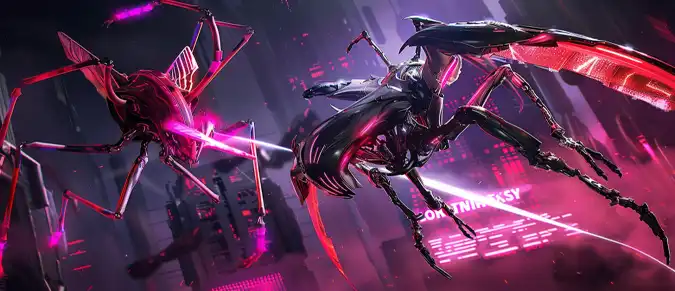

BattleFly is a Web3 game focused on strategic PvP battles powered by NFT units. The project combines elements of risk management, algorithmically calculated combat outcomes, and a tokenized economy. The core emphasis is not simply on owning digital assets, but on building tactics, analyzing probabilities, and managing resources effectively.
The BattleFly ecosystem is structured around arena battles, tournaments, and an internal economic framework. Players decide which NFTs to deploy, how much to stake, and which competitive modes to enter. To fully understand the project, it is essential to examine its concept, combat mechanics, NFT architecture, tokenomics, and strategic outlook. This comprehensive approach reveals how gameplay and economics operate as an interconnected system.
Table of Contents
- BattleFly Concept and Ecosystem Structure
- Combat System and Core Gameplay Mechanics
- NFT Architecture and In-Game Assets
- BattleFly Tokenomics and Economic Model
- Development Prospects and Strategic Role of the Platform
1. BattleFly Concept and Ecosystem Structure
BattleFly is a PvP-oriented Web3 game where NFT characters serve as the central competitive element in arena battles. Unlike farming-based projects, the focus here is on competitive gameplay and strategic thinking. Players do not simply send units into combat; they analyze attributes, assess risk levels, and manage their stakes.
The ecosystem includes tournaments, multiple risk-tier modes, and integrated economic mechanisms. Victory depends not only on the strength of an NFT but also on effective resource allocation. In this way, BattleFly creates a digital arena where strategic decisions define long-term progression.
A strong connection between gameplay and economics plays a crucial role. Every battle involves tokens, rewards, and probabilistic calculations. This structure forms a dynamic system in which player actions directly influence outcomes.
An additional layer is introduced through ranking and leveling systems that enhance competition. Higher-ranked players gain access to more complex tournaments and larger reward pools. This hierarchy supports long-term motivation and skill development.
2. Combat System and Core Gameplay Mechanics
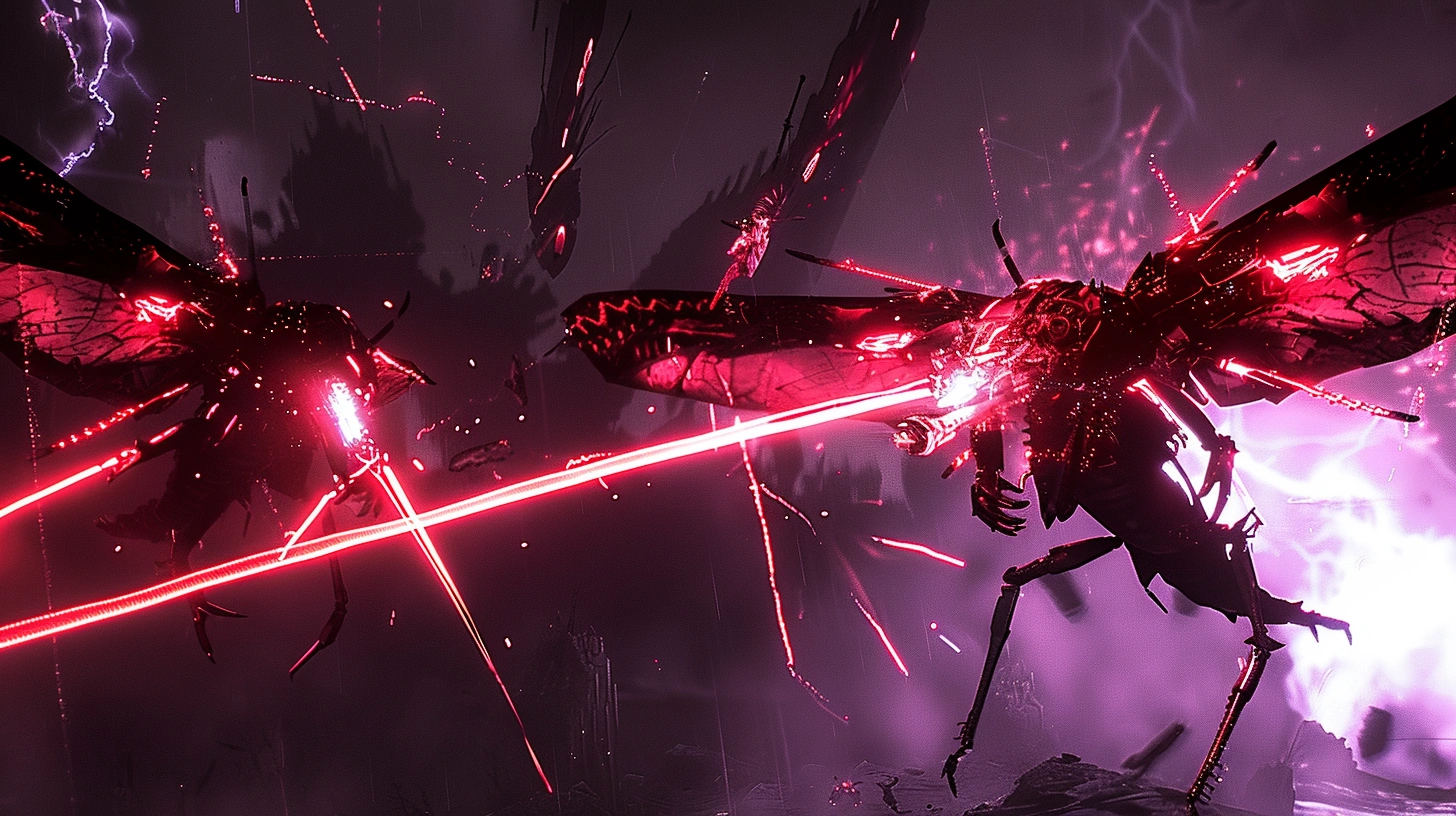
The gameplay of BattleFly revolves around PvP battles where outcomes are determined by a combination of NFT attributes, boosts, and algorithmic factors. The mechanics blend strategic planning with elements of probability, maintaining tension and making each encounter distinct.
Players choose participation modes, evaluate potential rewards, and determine acceptable risk levels. Tournament structures vary in entry costs and prize pools, encouraging calculated decision-making.
Key Gameplay Elements:
- Deploying NFT units in PvP arenas.
- Strategic selection of tournaments and battle modes.
- Analyzing attributes and probabilistic variables.
- Managing risk exposure and staking decisions.
- Earning token rewards based on performance.
The system rewards not only rare NFT ownership but also intelligent strategy. Progressive upgrades enhance the depth of mechanics over time. As a result, the project cultivates a competitive environment supported by a sustainable gameplay loop.
Balance adaptability is also significant. Developers adjust unit parameters and tournament formats to maintain fairness. This prevents dominant strategies from monopolizing the ecosystem and sustains long-term player engagement.
3. NFT Architecture and In-Game Assets
Each BattleFly represents a unique NFT with a set of attributes influencing combat outcomes. Parameters may include strength, speed, and additional modifiers. Variations in rarity create diverse strategic opportunities.
NFT units can be upgraded, enhanced, and combined in different configurations. This encourages long-term participation and investment in the ecosystem. Players must decide how to allocate resources effectively across their assets.
Beyond core characters, the ecosystem includes supplementary in-game elements that impact battle performance. This layered structure increases tactical depth and positions NFTs as functional tools rather than decorative collectibles.
Over time, asset value may be influenced not only by rarity but also by tournament history and performance reputation. Such factors introduce additional interaction between players and the NFT marketplace, adding complexity to the ecosystem.

4. BattleFly Tokenomics and Economic Model
The BattleFly economic system is built around the GFLY token alongside additional in-game resources. The token is used for tournament participation, reward distribution, and staking mechanisms. Supply-demand balance plays a critical role in maintaining sustainability.
Below is a summarized table of key token parameters:
| Parameter | Description |
|---|---|
| Name | GFLY |
| Utility | Rewards, battle participation, staking |
| Ecosystem Role | Primary settlement and incentive asset |
| Distribution | Ecosystem, team, investors, community incentives |
The sustainability of tokenomics depends on active user participation and controlled emission mechanisms. If the token maintains strong utility within tournaments and reward programs, it preserves functional value. Transparent allocation further strengthens community trust.
Staking systems contribute to reducing market pressure and encouraging long-term engagement. Inflation control and carefully structured reward distribution support economic balance. Together, these elements provide a foundation for a more resilient ecosystem.
5. Development Prospects and Strategic Role of the Platform
BattleFly aims to strengthen its position within the strategic PvP Web3 gaming segment by expanding competitive modes and refining balance mechanics. Enhancing the tournament framework and introducing new formats could deepen gameplay complexity and increase user engagement. Scalable infrastructure opens pathways for gradual ecosystem expansion.
At the same time, the project faces challenges such as strong competition in the blockchain gaming sector, token volatility, and the need to maintain economic equilibrium. Long-term success will depend on the team’s ability to adapt to market conditions while sustaining community interest. Maintaining balance between strategic depth and accessibility will be crucial for audience growth.
Overall, BattleFly integrates strategic PvP combat, NFT characters, and a tokenized economy into a unified ecosystem. Its future prospects are closely linked to balanced mechanics and sustainable tokenomics. With consistent updates and transparent communication, the platform has the potential to secure a stable niche within next-generation Web3 gaming.











