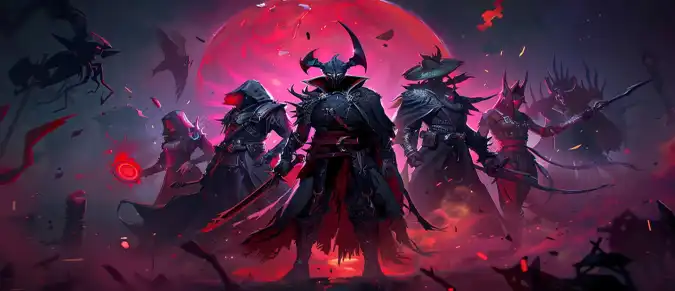

DeHorizon is a Web3 platform that brings together multiple game modes, NFT assets, and a decentralized economy within a unified multichain metaverse. The project is designed as a cross-chain ecosystem where digital characters and items can be used across different gameplay scenarios. Unlike isolated blockchain games, DeHorizon aims to build a scalable environment with a shared economic logic and interoperable infrastructure. This approach creates a foundation for sustainable growth and continuous functional expansion.
Contents
- DeHorizon Metaverse Concept and Ecosystem Architecture
- Game Modes and Core Interaction Mechanics
- Technical Infrastructure and Multichain Approach
- Project Tokenomics and NFT Assets
- DeHorizon Development Strategy and Market Positioning
1. DeHorizon Metaverse Concept and Ecosystem Architecture
DeHorizon is structured as an open metaverse that connects various game formats within a single digital environment. The core idea of the project is the integration of multiple gaming modules under a shared economy and interoperable asset system. This allows users to move between modes while maintaining access to their NFTs and tokens.
The platform follows a modular architectural model. Individual game products evolve independently but remain integrated into the broader infrastructure. This design simplifies scalability and enables the introduction of new formats without disrupting the core system. A unified economic framework preserves consistency across the metaverse.
Digital assets within DeHorizon are not limited to a single mechanic. NFT characters and items can be utilized across different gameplay scenarios, increasing their functional value.
The project also focuses on fostering user communities within the metaverse. Social features and player interaction strengthen engagement and help build a stable digital environment. The integration of new virtual worlds expands the ecosystem without fragmenting its economy. This creates strong conditions for long-term platform scalability.
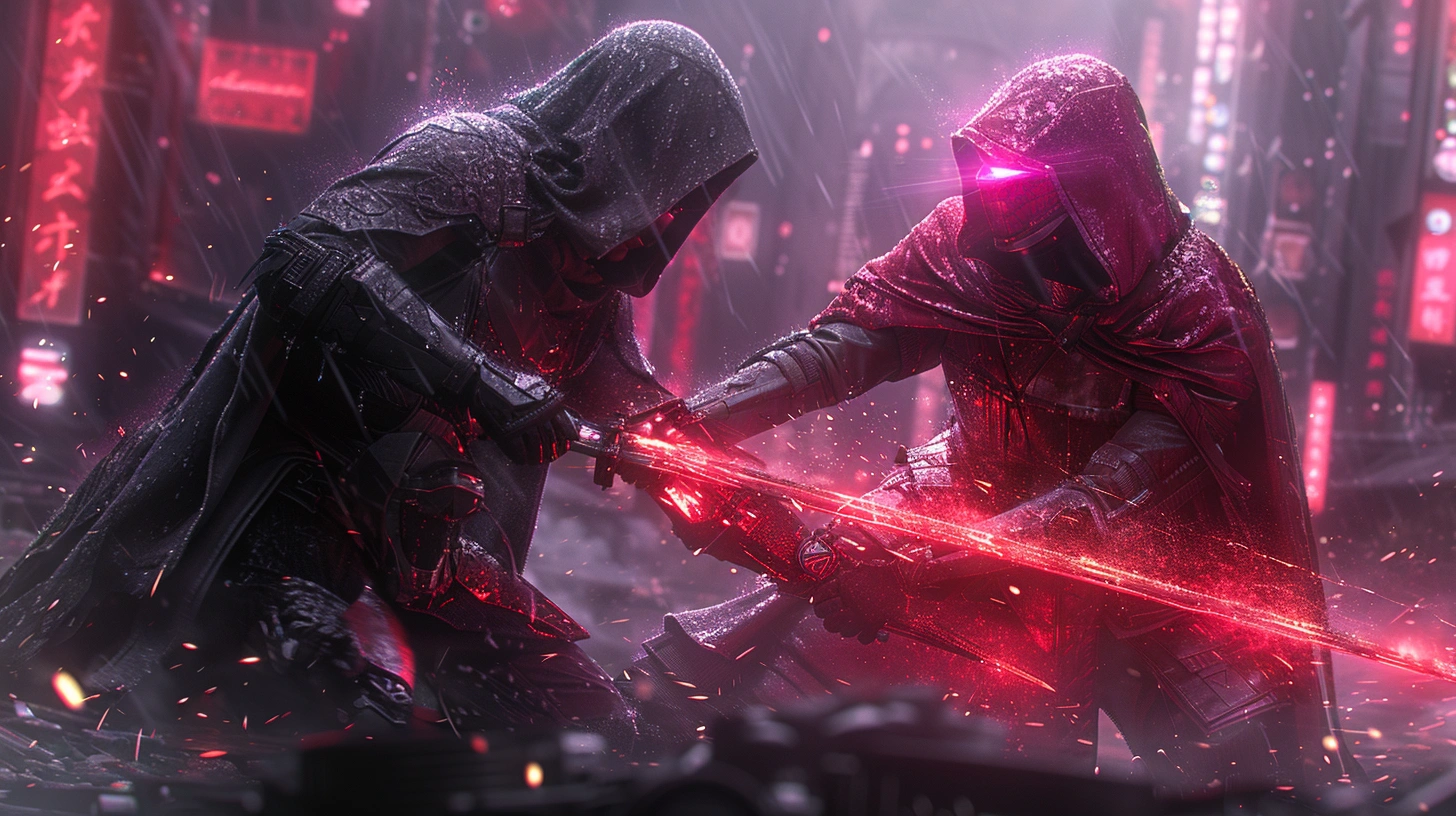
2. Game Modes and Core Interaction Mechanics
DeHorizon combines several gameplay directions, including competitive and team-based formats. Among the well-known modes are DeVerse, DeTournament, and DeQuidditch. Each offers distinct mechanics while operating under a shared economic structure and NFT framework.
Key gameplay features include:
- use of NFT characters across multiple modes;
- tournament-based structures with token rewards;
- team-oriented gameplay and PvP scenarios;
- strategic elements and character attribute progression;
- cross-chain integration of digital assets.
Game formats range from competitive sports-inspired experiences to more arcade-style scenarios. NFT heroes possess attributes that directly influence match outcomes, reinforcing strategic depth. Economic participation is closely linked to tournaments and events, creating additional incentives for players.
Regular competitions and seasonal activities maintain long-term engagement. Ranking systems encourage skill development and goal setting. Team-based structures enhance social dynamics and collaboration. As a result, gameplay remains diverse and sustainable over time.
3. Technical Infrastructure and Multichain Approach
One of DeHorizon’s defining features is its multichain infrastructure. The project supports multiple networks, including Ethereum and BNB Chain, improving accessibility and asset liquidity. Cross-chain mechanisms enable NFTs and tokens to move between networks without losing functionality.
Smart contracts manage digital asset issuance, reward distribution, and tournament participation. The use of bridges and compatible standards increases platform flexibility. This reduces dependency on a single blockchain ecosystem and strengthens structural resilience.
The project’s architecture is built with future expansion in mind. Scalability is embedded at the infrastructure level, enabling integration of new modules and interactive experiences. This design allows DeHorizon to adapt to evolving Web3 industry standards.
Additional solutions are being explored to optimize transaction costs and improve processing speed. This is particularly important during periods of high NFT activity. Technological adaptability enhances competitiveness and ensures smooth user interaction across the ecosystem.
4. Project Tokenomics and NFT Assets
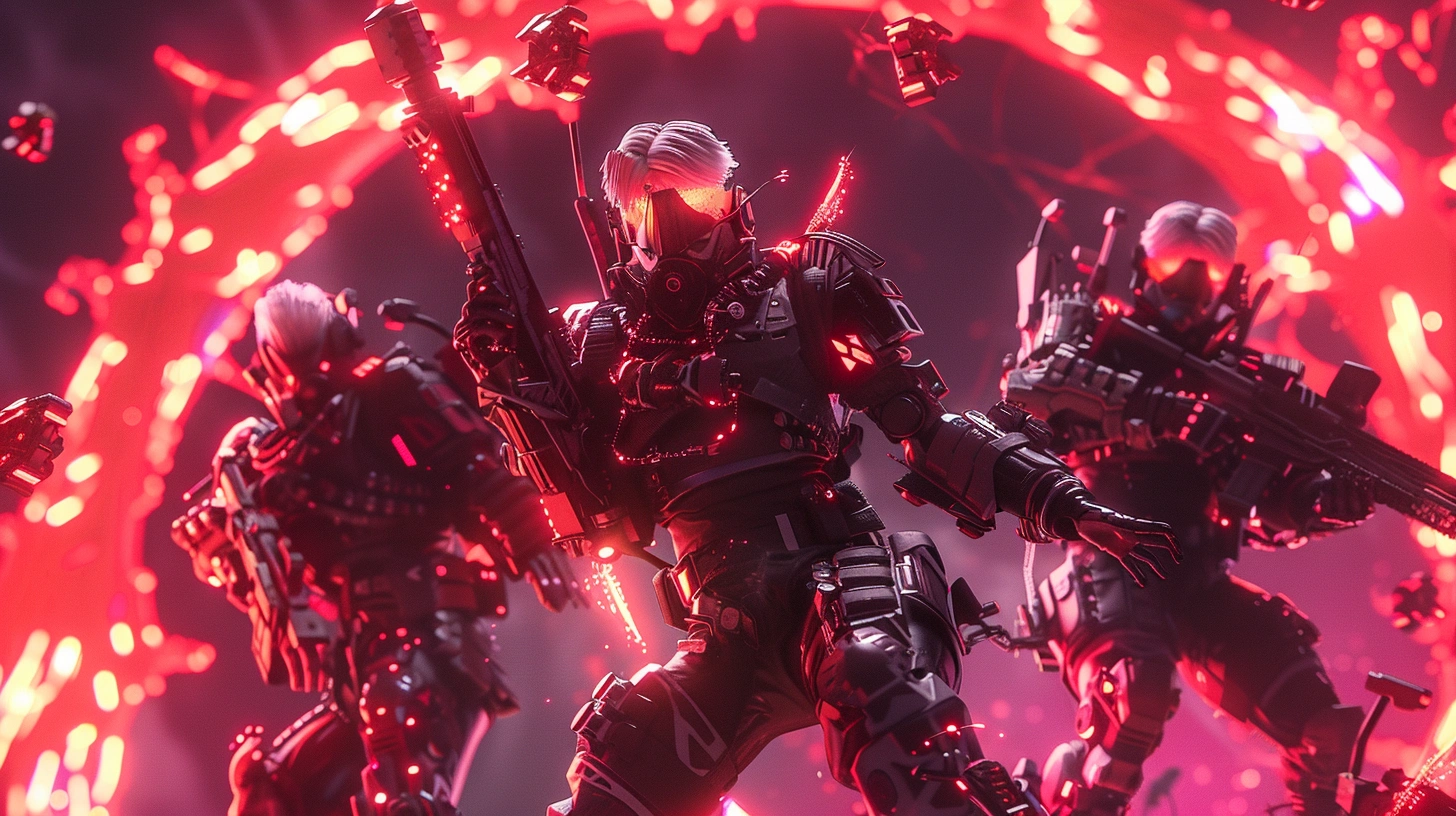
The DeHorizon economy revolves around the DEVT token and a set of NFT assets. DEVT serves both utility and governance purposes, enabling tournament participation, voting mechanisms, and internal transactions. NFT characters and items form the foundation for gameplay engagement across different modes.
| Asset | Type | Purpose |
|---|---|---|
| DEVT | Utility / Governance | Tournament entry, governance participation, in-ecosystem payments |
| NFT Hero | In-game NFT | Playable character for multiple game modes |
| NFT Items | Digital Assets | Attribute enhancement and customization |
DEVT stimulates activity and supports internal economic circulation. Supply control and distribution mechanisms are designed to reduce inflation risks. NFT assets are integrated into gameplay utility rather than functioning solely as collectibles.
Token allocation follows a transparent structure, including portions for the team, investors, and community. Governance participation strengthens user involvement. Economic mechanisms are structured to balance supply and demand. This creates a more stable long-term development model.
5. DeHorizon Development Strategy and Market Positioning
DeHorizon focuses on long-term multichain metaverse development with gradual functional expansion and economic strengthening. The roadmap includes new gameplay directions, enhanced social mechanics, and deeper cross-chain integration, allowing flexibility within the evolving blockchain gaming sector. A key competitive advantage lies in combining multiple formats under a unified economic framework, where NFT assets and the DEVT token operate across various scenarios.
The project aims to attract both crypto-native users and traditional gamers through diverse game modes and technological compatibility. Future success will depend on infrastructure stability, consistent updates, and active community participation. Strategic partnerships, integrations with other Web3 platforms, and expanded tournament ecosystems may further strengthen market presence.
Overall, DeHorizon demonstrates an integrated model of gaming formats and decentralized economics within a single metaverse. The use of the DEVT token, NFT characters, and multichain infrastructure forms a cohesive digital ecosystem. The combination of scalability, asset interoperability, and balanced economic logic defines the project’s long-term potential in the Web3 gaming market.











