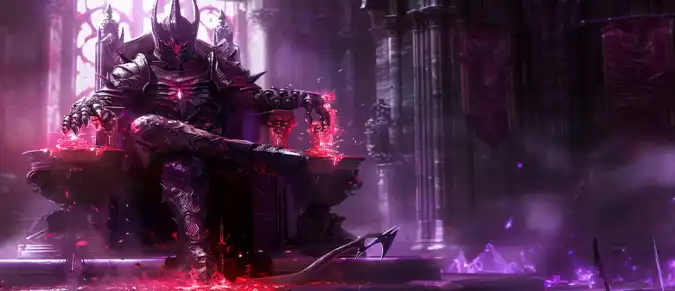

Project SEED is a blockchain game that combines elements of action RPG, metaverse design, and a decentralized economy. The project develops its own digital universe where gameplay, NFT assets, and a tokenized governance model form a unified ecosystem. Unlike early play-to-earn initiatives that focused primarily on speculative mechanics, Project SEED emphasizes high-quality gameplay, scalable infrastructure, and a well-structured economic model. This approach positions the platform not merely as a crypto project, but as a полноцен gaming environment with integrated Web3 functionality.
Contents
- Project SEED Metaverse Concept and World Structure
- Gameplay and Core Game Mechanics
- Technical Architecture and Blockchain Infrastructure
- Project SEED Tokenomics and Digital Assets
- Platform Development Strategy and Market Outlook
1. Project SEED Metaverse Concept and World Structure
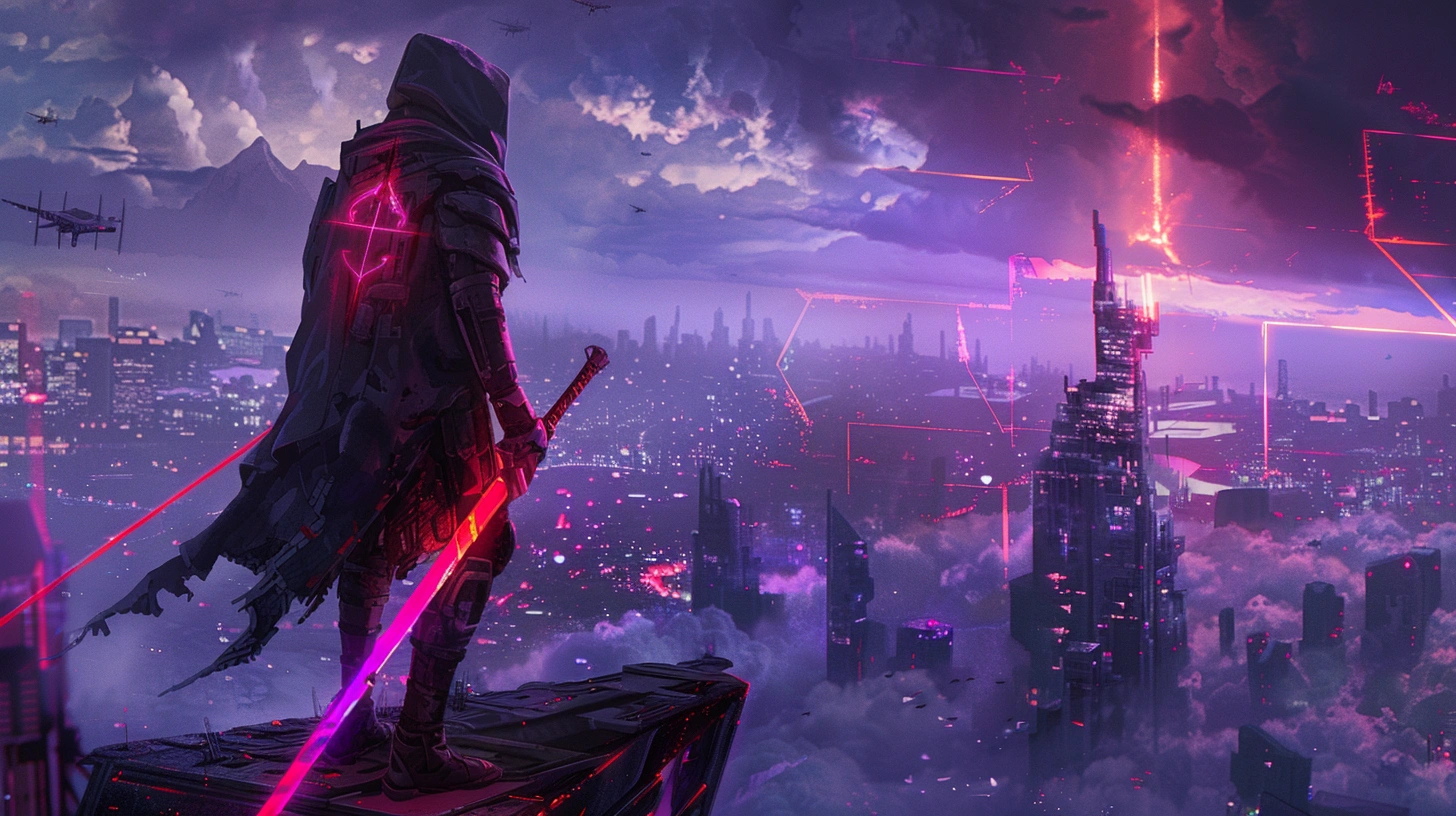
Project SEED builds its own metaverse set in a fantasy universe with futuristic elements. The world combines exploration, social interaction, and in-game economic activity. It is divided into regions featuring different resources, enemies, and difficulty levels, creating diverse gameplay scenarios and development paths.
The environment operates as a dynamic system where user activity influences value distribution and internal economic processes. Land is represented as NFT assets and is directly connected to in-game engagement, transforming virtual space into part of a digital infrastructure rather than just a visual backdrop.
The project supports both solo play and cooperative formats. Regular events, new zones, and gradual world expansion strengthen player engagement and provide a foundation for long-term metaverse growth. Further development of social mechanics and community-driven features may turn the virtual space into a полноцен digital ecosystem. In the future, the metaverse could function not only as a gaming platform but also as a sustainable environment for economic interaction.
2. Gameplay and Core Game Mechanics
Gameplay in Project SEED is built around an action RPG system with a third-person perspective. Players control characters, engage in combat, and progressively enhance their heroes’ attributes. The combat system emphasizes active control, precision, and strategic ability usage.
Key gameplay elements include:
- exploration of open zones with various enemy types;
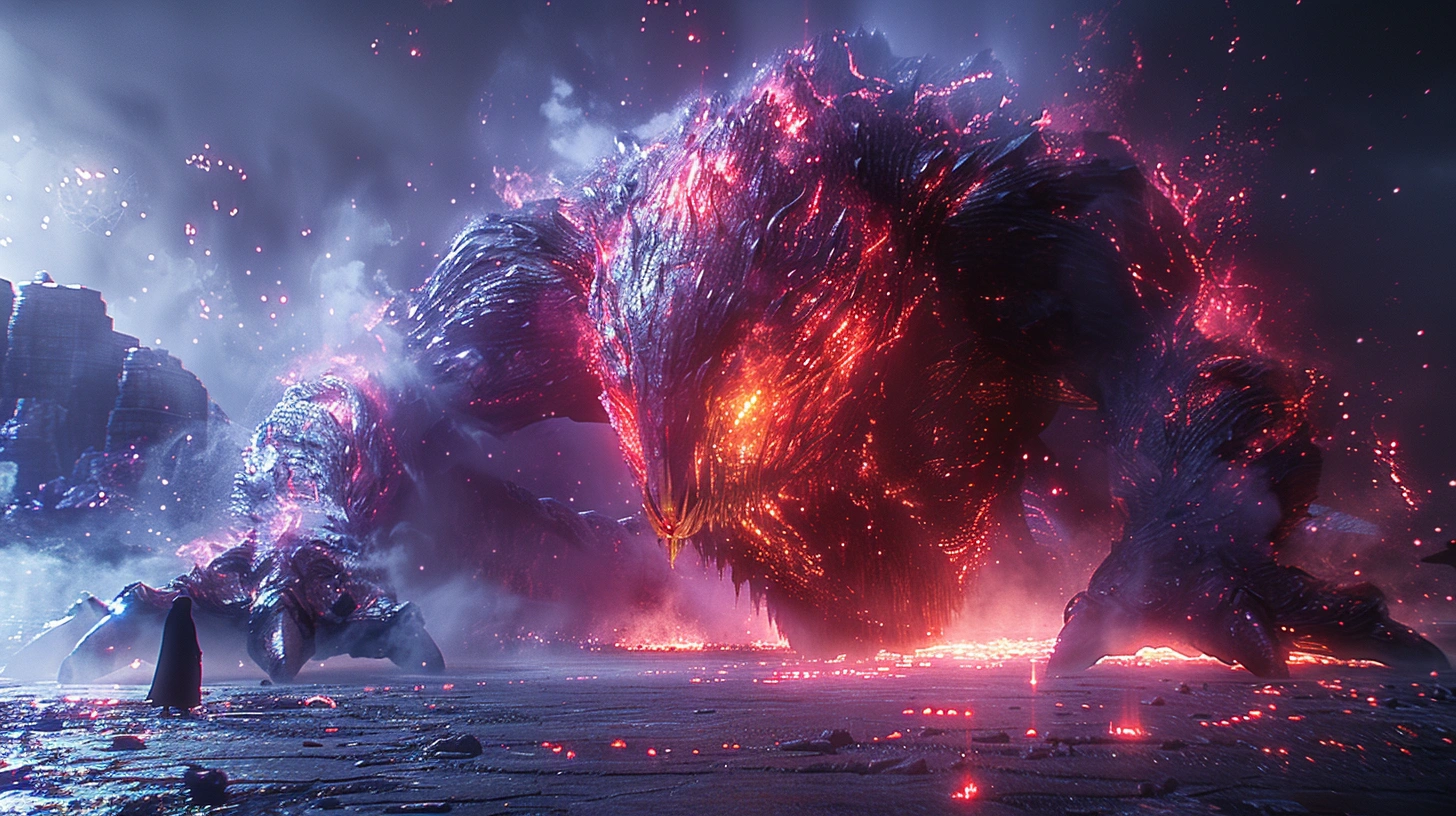
- boss battles and participation in special events;
- equipment upgrades and skill development;
- cooperative missions and group activities;
- interaction with NFT items and the in-game marketplace.
Character progression involves leveling systems, crafting, and acquiring rare items. The economic model is closely tied to gameplay actions, as collected resources can be traded or used to enhance gear. This integration reduces the gap between entertainment and financial mechanics, maintaining balance within the ecosystem.
The project also incorporates competitive elements and ranking systems that encourage skill improvement and strategic optimization. Regular content updates introduce new challenges and mechanics, ensuring that gameplay remains dynamic and relevant over time.
3. Technical Architecture and Blockchain Infrastructure
Project SEED’s technical foundation relies on blockchain technology to ensure transaction transparency and verifiable ownership of digital assets. The project was developed within the Binance Smart Chain ecosystem and includes cross-chain compatibility to expand accessibility and infrastructure flexibility.
Smart contracts govern token issuance, NFT operations, and reward distribution. This automation reduces centralized intervention while maintaining system reliability. Interaction with assets occurs through external crypto wallets, giving users greater control over their holdings.
The development team prioritizes security and scalability. The system architecture allows integration of new gameplay modules, social environments, and additional metaverse features without restructuring the core framework.
Layer-2 solutions are also being considered to reduce transaction fees and improve speed, especially during high NFT and token activity. Technological flexibility enables adaptation to evolving blockchain standards, helping maintain long-term competitiveness.
4. Project SEED Tokenomics and Digital Assets
The Project SEED economy revolves around the SHILL token and NFT assets. The model is designed to create sustainable circulation where gameplay activity drives demand for digital resources. The token is used for in-game payments, governance participation, and staking rewards. A defining feature of the system is the direct connection between player actions and economic flow within the ecosystem.
| Asset | Type | Function |
|---|---|---|
| SHILL | Utility / Governance | Payments within the ecosystem, staking, governance voting |
| Hero NFT | In-game NFT | Playable character for missions and battles |
| Land NFT | Digital land | Share of economic activity within a region |
SHILL functions as a core instrument within the platform. Hero NFTs enable gameplay participation, while Land NFTs form the infrastructural layer of the metaverse. Token supply control and utility mechanisms aim to reduce inflation risks and maintain long-term value.
Token allocation includes shares for the team, investors, and the community, ensuring transparent ownership distribution. Staking systems and potential burn mechanisms help regulate supply dynamics. A balanced tokenomic structure contributes to overall ecosystem sustainability.
5. Platform Development Strategy and Market Outlook
Project SEED positions itself as a long-term Web3 ecosystem focused on gradual feature expansion and economic strengthening. The roadmap includes new game modes, enhanced social components, and refined economic systems. This structured approach enables adaptability within the evolving blockchain gaming market.
Despite strong competition in the GameFi sector, the platform’s advantage lies in its integrated architecture combining RPG gameplay, NFT infrastructure, and thoughtful tokenomics. The team aims to attract both crypto-native users and traditional gamers by lowering entry barriers and simplifying Web3 interaction.
Future growth depends on infrastructure stability, regular updates, and community engagement. Strategic partnerships, cross-platform integrations, and competitive formats may further strengthen market presence. Overall, Project SEED represents a balanced integration of immersive gameplay and decentralized economics, supporting its long-term positioning in the Web3 gaming landscape.











