

Walker World is an ambitious Web3 project that combines an open virtual environment, digital ownership, and a blockchain-driven economy. The game develops a metaverse concept where users not only explore space but also own assets, engage in trading, and interact with others within a unified digital ecosystem. The project aims to merge AAA-level visual quality with the principles of decentralized economics.
At its core, Walker World is built around the idea of creating a sustainable ecosystem where gameplay, NFTs, and tokens form an interconnected structure. To fully understand the project, it is important to examine its concept, mechanics, economic framework, and strategic outlook. This comprehensive approach allows for evaluating not only the technological foundation but also the long-term viability of the platform.
Table of Contents
- Concept and Architecture of the Walker World Virtual Environment
- Gameplay and Player Interaction
- Walker World Tokenomics and Economic Model
- Engagement Mechanics and Community Development
- Development Prospects and Strategic Role
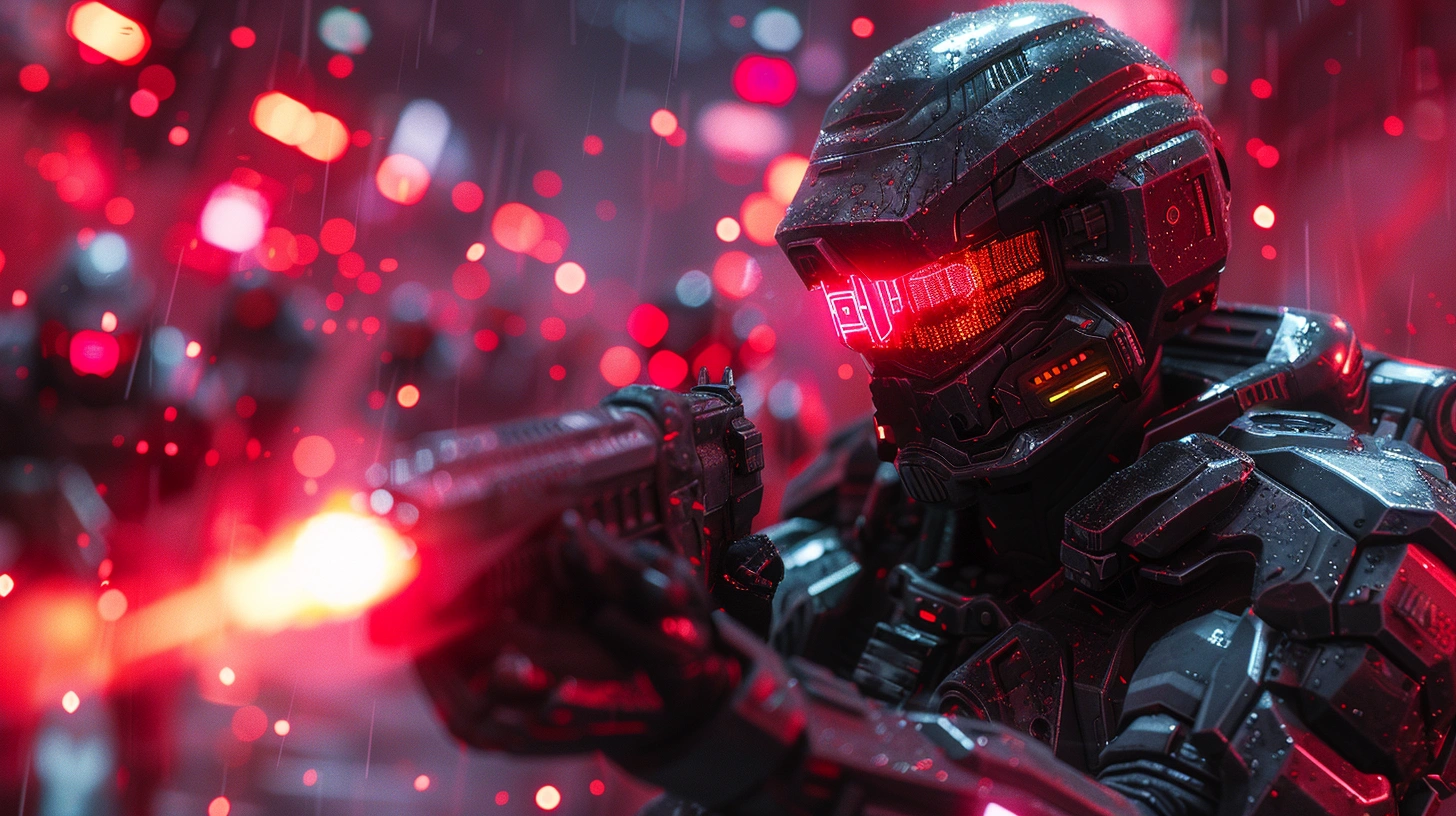
1. Concept and Architecture of the Walker World Virtual Environment
Walker World represents a digital ecosystem with an open structure where users can freely move between zones, complete missions, and utilize NFT-based assets. Unlike traditional online games, digital items here are owned by players through verified blockchain ownership. This establishes a new interaction model between users and the game space.
The development team places strong emphasis on visual quality and scalability. Advanced graphics technologies enable the creation of detailed environments and dynamic landscapes. This approach targets an audience accustomed to high production standards.
The metaverse architecture allows the world to expand through new regions and live events. The ecosystem is designed to gradually deepen player interaction over time. This creates a foundation for sustainable growth and steady user base expansion.
Infrastructure flexibility also plays a significant role. The ability to integrate new features and digital assets ensures adaptability to changing market conditions. As a result, Walker World aims to become an evolving digital platform rather than a static game.
2. Gameplay and Player Interaction
The gameplay model of Walker World combines exploration, character progression, and the use of NFT assets. Items and vehicles can influence character stats, unlock new areas, or provide additional functionality. Blockchain integration is embedded directly into gameplay rather than existing as a separate layer. Social interaction is an essential component.
Players can team up to complete missions, participate in events, and trade digital assets. This enhances immersion and contributes to a dynamic virtual environment. The diversity of activities allows users to choose their own style of participation. Some may focus on exploration, while others prioritize trading or cooperative missions. This flexibility increases gameplay variability.
Core Gameplay Elements:
- Exploring the open world and completing missions.
- Using NFT items with gameplay-enhancing attributes.
- Participating in social events and cooperative activities.
- Trading and exchanging digital assets.
- Customizing characters and vehicles.
Each of these elements strengthens the connection between gameplay and the project’s economy. NFT assets gain practical significance as tools for progression rather than mere collectibles. Social mechanics contribute to building a resilient community where interaction becomes part of long-term strategy. Together, these components form a sustainable gameplay loop capable of supporting long-term engagement.
3. Walker World Tokenomics and Economic Model
The Walker World economy is built around a tokenized system integrated directly into gameplay. The token is used for purchasing assets, participating in events, and supporting ecosystem development. The model is structured to promote sustainable growth and balanced resource distribution.
Transparency in allocation and a clear tokenomic framework are essential for trust. Below is a summarized table of key parameters:
| Parameter | Description |
|---|---|
| Token Name | WALK (placeholder designation) |
| Utility | Transactions, NFT purchases, participation in ecosystem programs |
| Maximum Supply | Limited according to the project’s token model |
| Distribution | Ecosystem, team, investors, community incentives |
Economic stability depends on real in-game demand. If the token is actively used in gameplay scenarios, it gains functional value. This reduces reliance on external market dynamics and strengthens overall sustainability.
Emission control and reporting transparency are additional important factors. Publicly available allocation data helps participants better understand the structure of the economy. This approach fosters long-term confidence in the project.
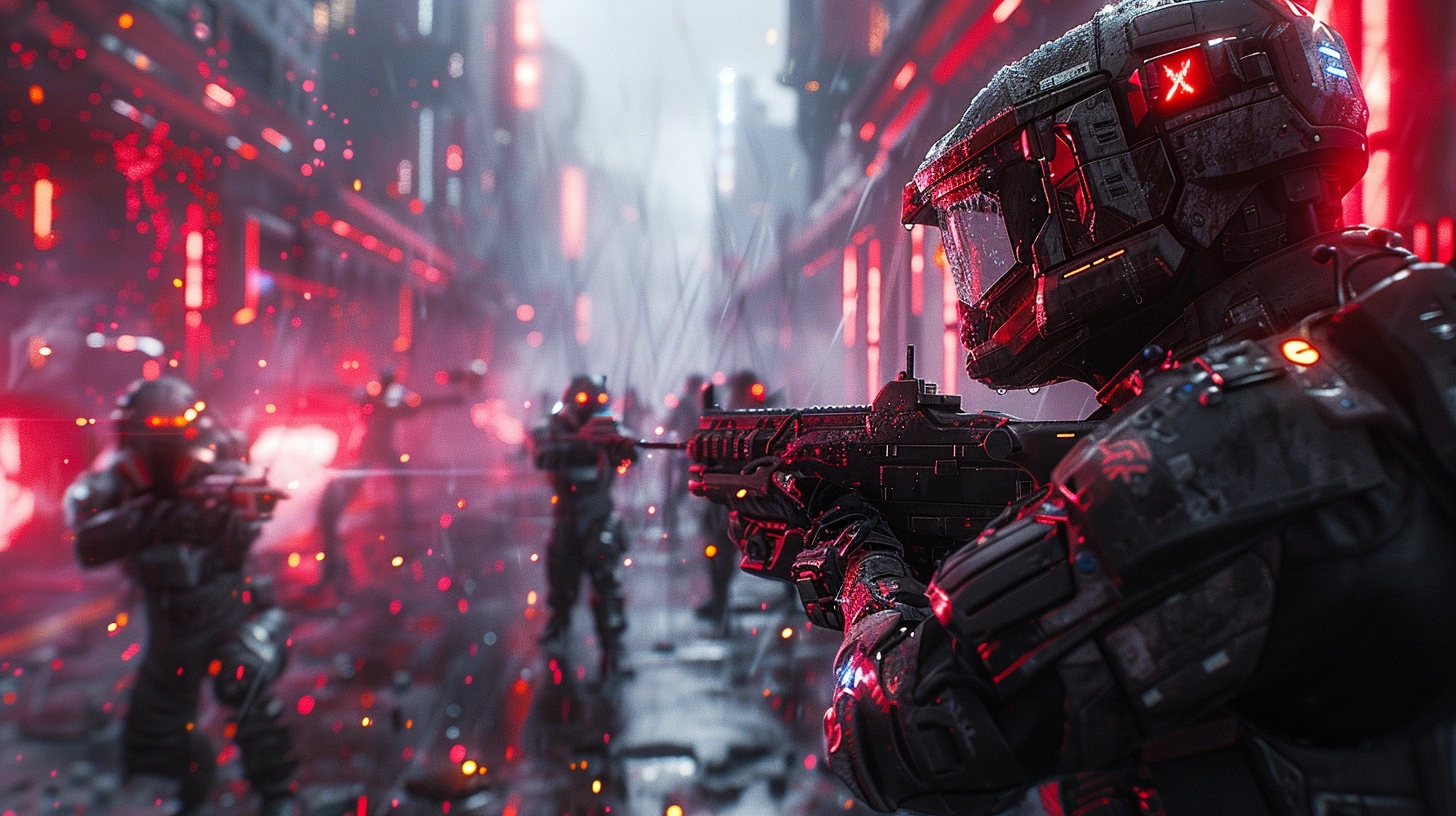
4. Engagement Mechanics and Community Development
Walker World implements programs designed to maintain user activity. Seasonal events, in-game missions, and reward systems form the foundation of long-term engagement. Community growth is considered a strategic priority.
The project aims to build a sustainable participation model where users receive incentives not only through rewards but also through involvement in world development. Expanding locations and continuous content updates help sustain audience interest.
Interaction between participants plays a key role. Cooperative activities strengthen social bonds and increase engagement. This contributes to the formation of a resilient digital community. The gradual introduction of new mechanics helps retain attention, while regular updates ensure the environment remains dynamic and evolving.
5. Development Prospects and Strategic Role
Walker World aims to establish a fully realized Web3 metaverse with high-quality graphics and an integrated digital economy. The strategic objective is to combine engaging gameplay with a sustainable tokenized framework within a scalable platform.
Key development priorities include expanding the virtual environment and introducing new features. Flexible infrastructure allows additional use cases and strengthens the role of NFT assets. The project aspires to position itself as a long-term ecosystem, requiring consistent updates and quality maintenance.
At the same time, challenges remain: competition in the metaverse sector, the need for continuous content updates, and economic balance management. Success will depend on the team’s ability to maintain sustainability and adapt to market changes. If harmony between gameplay and economics is achieved, Walker World could secure a notable position among next-generation Web3 platforms.











