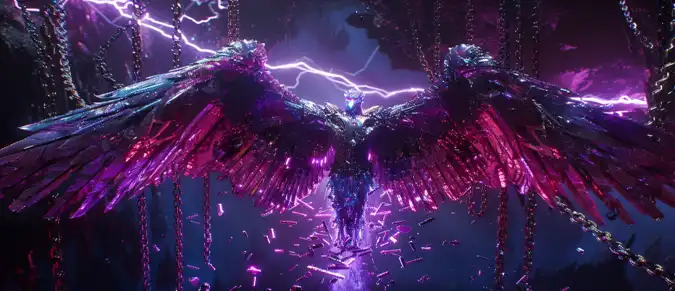

Chainmonsters is a multiplayer open-world online game that combines creature collecting, strategic battles, and a blockchain-based economy. Unlike early Web3 projects that were largely driven by speculative models, this game focuses on delivering a полноценный gameplay experience first. The developers aim to build a sustainable ecosystem where digital assets truly belong to players without disrupting balance. The project merges traditional MMORPG mechanics with modern decentralized technologies, creating a new approach to digital ownership in gaming. Special attention is given to accessibility: the game is designed both for crypto enthusiasts and fans of classic online games. This synergy allows Chainmonsters to target a broader audience than most Web3 initiatives.
Table of Contents
- Chainmonsters Concept and Philosophy
- Gameplay and Core Mechanics
- Chainmonsters Technological Architecture
- Economic Model and Tokens
- Community and Project Development Prospects
1. Chainmonsters Concept and Philosophy
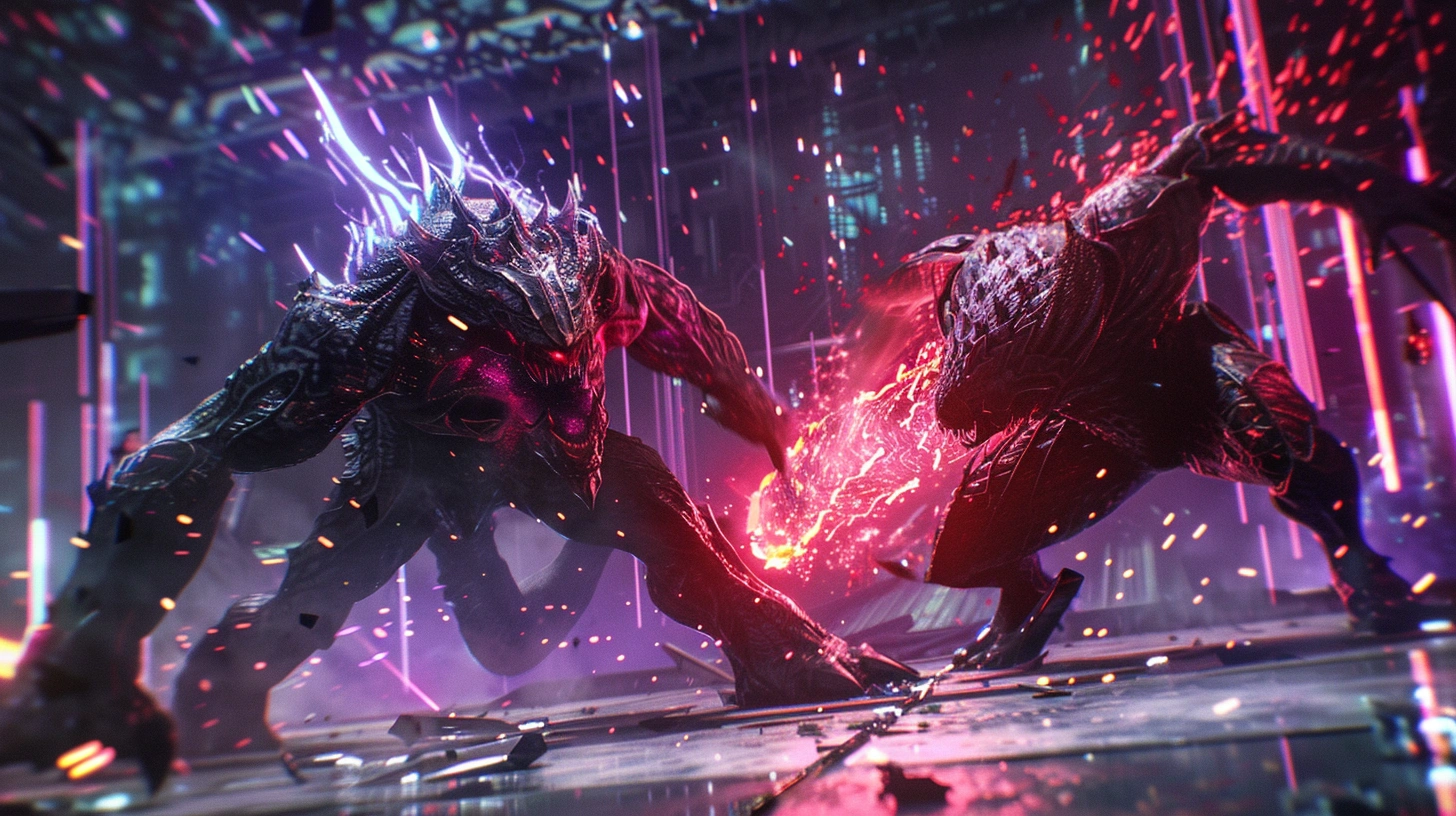
Chainmonsters was created as an attempt to combine traditional game design with Web3 capabilities without leaning toward financial speculation. From the beginning, the team positioned the project as a living MMORPG world rather than a tokenized product with game elements. This approach allowed the developers to design a structure where the economy supports gameplay instead of replacing it.
Players explore the continent of Ancaria, interact with characters, complete story-driven quests, and collect unique creatures known as Chainmons. Each monster has its own stats, abilities, and development potential. Some of these creatures exist as NFTs, securing ownership for players. However, in-game balance is carefully structured so that owning a rare asset does not automatically guarantee an advantage.
The project philosophy is based on three core principles: transparent ownership, economic sustainability, and long-term engagement. The developers aim to lower the entry barrier, allowing players to start without deep cryptocurrency knowledge. Blockchain features are integrated gradually and do not overwhelm users with technical complexity. The team also emphasizes fair competition by minimizing “pay-to-win” elements. This balance makes the project closer to classic MMOs than to financial simulators built around tokenized assets.
2. Gameplay and Core Mechanics
The gameplay combines open-world exploration with tactical turn-based combat. Players control a trainer who builds a team of creatures with different roles and attack types. The combat system is based on strategic skill selection, synergy between characters, and exploiting enemy weaknesses.
The game world is divided into biomes with unique environmental conditions. Each region features specific types of Chainmons, encouraging exploration. Progression is driven by creature evolution, stat improvements, and unlocking new abilities. The development system rewards thoughtful strategy rather than random actions.
Main in-game activities include:
- exploring locations and completing story quests;
- searching for, capturing, and developing rare creatures;
- participating in cooperative raids;
- competitive PvP arena battles;
- crafting and upgrading equipment;
- taking part in seasonal events.
Chainmonsters delivers a полноценный MMORPG experience where creature collection blends with deep tactical gameplay. The system encourages not only hunting rare monsters but also building balanced teams with complementary roles and abilities. Economic elements are carefully integrated to enhance progression rather than replace it.
Dynamic features such as ranked seasons, in-game tournaments, and achievement-based rewards further stimulate engagement and strategic growth. The achievement system provides both short-term objectives and large-scale long-term goals. As a result, gameplay revolves around continuous development, exploration, and competitive advancement instead of one-time content completion.
3. Chainmonsters Technological Architecture
The technological model of Chainmonsters is based on separating the game layer from the blockchain layer. Core combat logic, damage calculations, and world interactions run on traditional servers to ensure stability and performance. Blockchain technology is primarily used to record asset ownership and related transactions.
This hybrid approach prevents delays typical of fully on-chain projects. Transactions are only required when ownership verification or digital asset transfers occur. This reduces fees and improves convenience for a mass audience.
The game is designed with cross-platform scalability in mind. The client is available on PC, with architecture prepared for expansion to other platforms. An integrated wallet system simplifies asset management, while advanced users can connect external solutions. Additionally, optimized NFT metadata storage reduces network load, improving scalability and stability as the player base grows.
4. Economic Model and Tokens
The Chainmonsters economy revolves around a utility token and NFT-based assets, forming a balanced digital ecosystem. The main objective is long-term sustainability without sharp inflation spikes or speculative distortions. Rewards are distributed based on player engagement, skill, and achievements rather than mere asset ownership. Token-burning mechanisms and controlled issuance help regulate supply and preserve the value of in-game resources.
The economic structure also maintains balance between newcomers and experienced players. Users can gradually integrate into the Web3 environment without mandatory investments, while advanced participants gain access to deeper marketplace and asset interactions. This approach lowers entry barriers while preserving the ecosystem’s economic appeal.
Key Ecosystem Elements
| Name | Type | Purpose | Role in the Ecosystem |
|---|---|---|---|
| MONSTER | Utility Token | Payment for service functions, participation in events | Supports economic circulation |
| Chainmons NFT | NFT | Collectible creatures | Secures ownership rights |
| Cosmetic NFT | NFT | Cosmetic items | Affects appearance but not gameplay balance |
It is important to emphasize that owning NFTs does not guarantee automatic advantages in battles. The combat system prioritizes strategy, team composition, and understanding of mechanics. The economy functions as a supportive layer that enhances engagement rather than replacing gameplay with financial mechanics.
Limitations on rare asset distribution prevent resource concentration among a small group of users. This architecture promotes fair competition and more balanced value distribution across the ecosystem. Ultimately, Chainmonsters’ tokenomics serves as a tool for world development rather than an end in itself, maintaining harmony between entertainment and digital ownership.
5. Community and Project Development Prospects
The community plays a central role in the evolution of Chainmonsters, forming a living ecosystem around the project. Developers maintain consistent communication through updates, roadmap disclosures, and open testing phases for new features. This interaction enables timely balance adjustments and continuous content expansion based on real player feedback.
Future development includes new regions, additional creature types, and expanded game modes to diversify gameplay. Special emphasis is placed on competitive elements, with esports-oriented formats and ranked seasons designed to attract audiences beyond the crypto community. Social features such as guilds, cooperative missions, and shared events are also planned to strengthen player engagement.
If the team successfully maintains balance between entertainment and economic structure, Chainmonsters could become a model for mature Web3 MMORPGs where blockchain enhances rather than dominates gameplay. Expanding seasonal content, regular in-game events, and ongoing system updates create a foundation for sustainable growth. Together, these factors position the project as a potential benchmark for future blockchain games that combine technological innovation with high-quality game design.











