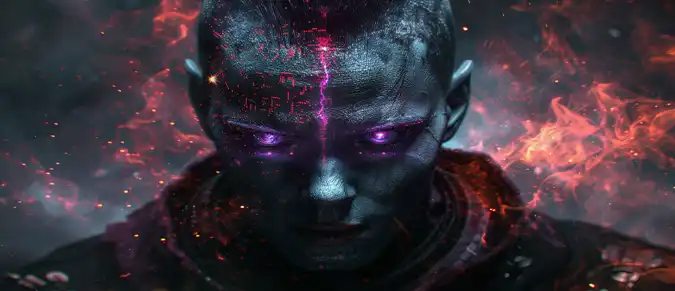

Guild Saga is a Web3 tactical RPG with strategic elements where guilds, collective progression, and resource management form the core of the gameplay. Players use NFT heroes to participate in battles, coordinate actions, and advance together, combining team-based mechanics with blockchain-powered digital ownership.
The project emphasizes social interaction, allowing users to influence the development of their faction while engaging in large-scale PvE and PvP scenarios. Through guild campaigns and community-driven mechanics, Guild Saga delivers deep gameplay dynamics that merge Web3 infrastructure with classic RPG elements.
Contents
- Concept of Guild Saga and the Game World
- Gameplay and Social Dynamics
- Guild Saga Economy and Tokens
- Project Technology and Architecture
- Development Prospects and Strategic Insights
1. Concept of Guild Saga and the Game World
Guild Saga is built around collaborative strategy and collective progression. The game world is divided into factions and guilds competing for territories, resources, and strategic advantages. This multiplayer structure creates long-term motivation and highlights the importance of coordinated decisions and tactical alliances.
NFT characters in Guild Saga are more than digital collectibles. Each hero has unique attributes, defined roles, and growth potential that can be enhanced through gameplay. Players assemble teams, refine tactics, and choose strategies based on campaign objectives. This structure strengthens the sense of ownership—not only of assets but also of participation in a shared evolving world.
The game also emphasizes player autonomy. Guild members decide how to allocate resources, which campaigns to prioritize, and which events to join. Social interaction, internal coordination, and rivalry between guilds reinforce engagement and responsibility within the ecosystem.
2. Gameplay and Social Dynamics
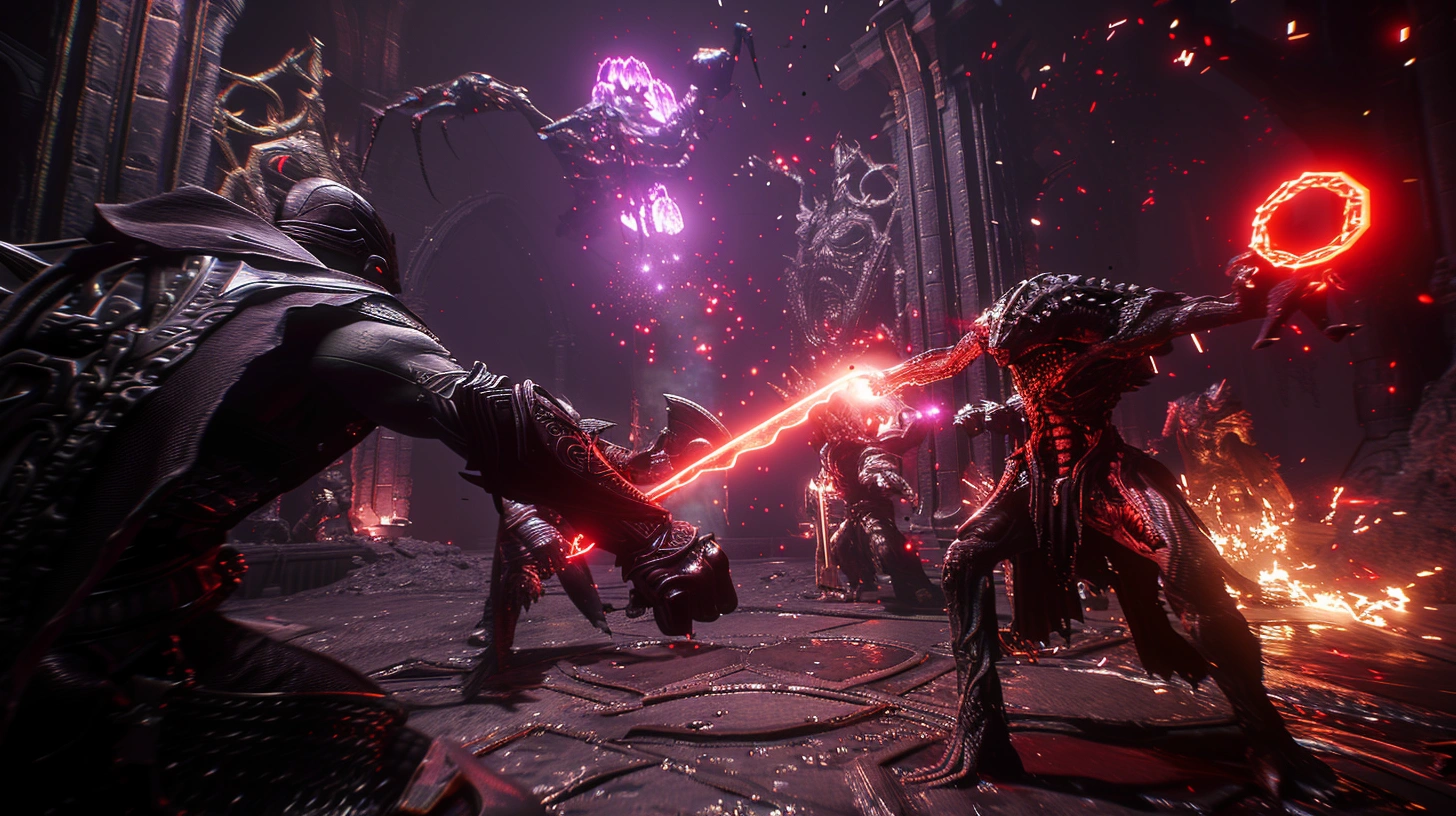
Guild Saga’s gameplay is centered on turn-based tactical combat combined with strong social interaction. Each battle requires selecting the right combination of heroes, understanding their abilities, and planning action sequences. Success depends on strategic thinking and team composition.
Key Gameplay Elements:
- Collecting, upgrading, and customizing NFT heroes of different classes.
- Turn-based tactical battles with adaptive strategy.
- Guild campaigns where coordinated teamwork determines outcomes.
- PvE modes for character progression and rewards.
- PvP competitions between players and factions.
- Large-scale cooperative events with unique rewards.
Social dynamics extend beyond combat. Players collaborate when distributing resources, organizing guild campaigns, and refining strategies. Team coordination becomes especially critical in large-scale modes.
Strategic layers also include developing guild infrastructure, analyzing opponents’ strengths and weaknesses, and making decisions that influence long-term campaign outcomes. This adds depth and long-term engagement to the experience.
3. Guild Saga Economy and Tokens
Guild Saga’s economic model integrates in-game tokens and NFT heroes into a unified digital asset system. Players earn tokens through events, victories, and missions, then reinvest them into hero upgrades and guild development. This cycle encourages active participation and sustained engagement.
The tokenomics framework aims to balance rewards with long-term sustainability. Proper distribution and controlled emission are essential to prevent excessive inflation and maintain ecosystem stability.
Main Digital Assets:
| Name | Type | Purpose |
|---|---|---|
| GUILD | ERC-20 | Governance token used for voting and ecosystem decisions. |
| SAGA | ERC-20 | In-game currency for purchases and upgrades. |
| Hero NFT | ERC-721 | Playable character with unique attributes. |
Economic sustainability depends on the interaction between token utility and player activity. Through GUILD and SAGA, participants engage in governance, rewards, and progression systems. Market volatility and community engagement levels also influence token value, making the economy dynamic over time.
4. Project Technology and Architecture
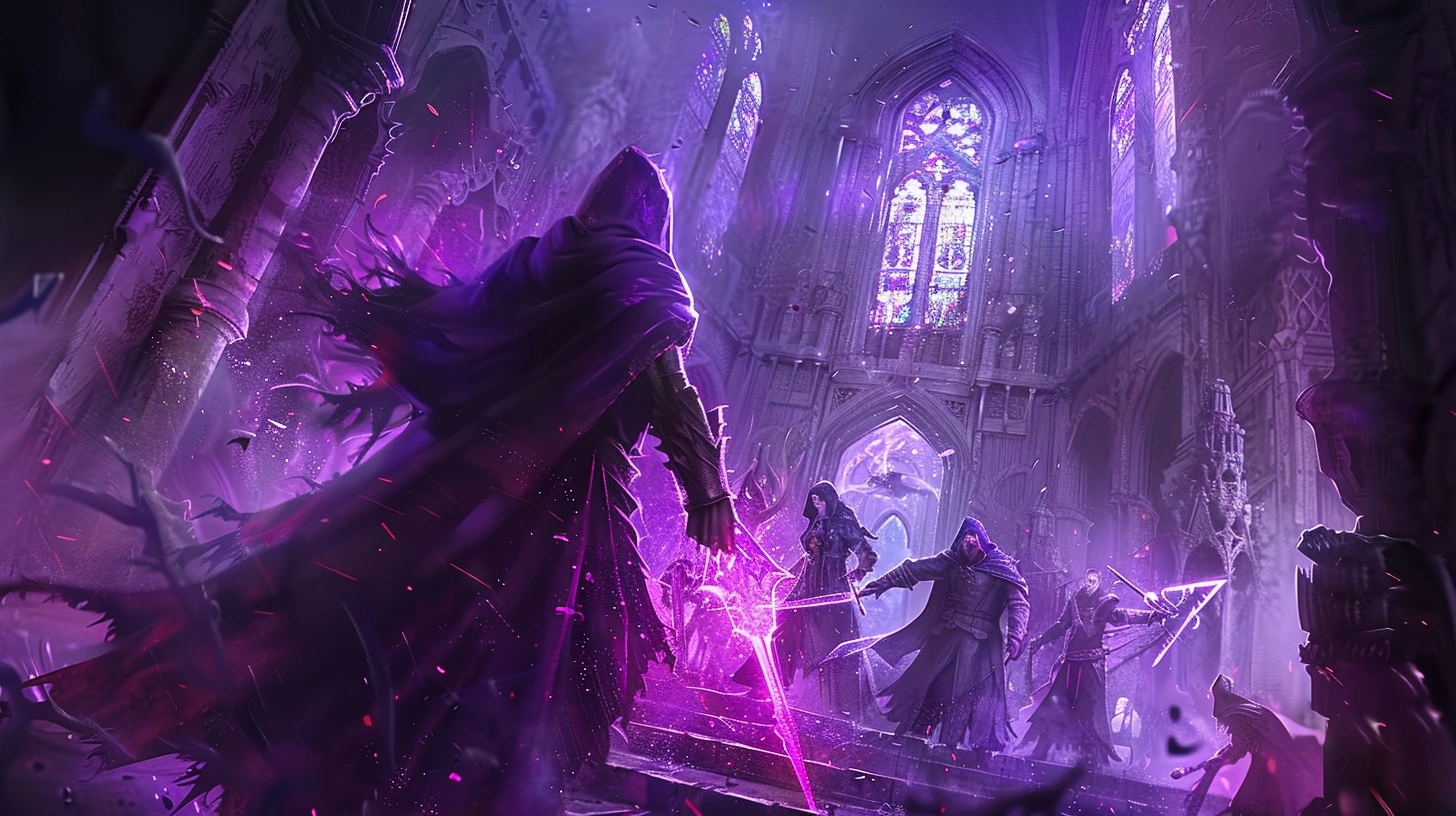
Guild Saga relies on blockchain infrastructure to ensure transparency and secure asset ownership. Standard token protocols enable smooth integration of NFT heroes and utility tokens while maintaining compatibility across the Web3 ecosystem.
Smart contracts manage issuance, transfers, and storage of tokens, as well as record battle outcomes and character progression. This minimizes manipulation risks and reduces dependence on centralized servers.
The architecture is designed for scalability, allowing the platform to handle increased load and introduce new gameplay features without major structural changes. Blockchain integration also enables connection with external Web3 services, expanding functionality without technical limitations.
With transparent transaction records, players can verify ownership and achievements at any time. This strengthens trust and reinforces the sense of digital control within the ecosystem.
5. Development Prospects and Strategic Insights
Guild Saga illustrates how a Web3 project can build depth through social mechanics and collective strategy. Guild-based systems drive engagement by encouraging coordinated actions and participation in large-scale events.
Long-term sustainability, however, depends on continuous content updates and adaptive tokenomics. Web3 market volatility affects user behavior and asset value, requiring developers to maintain reward balance and economic stability.
The project’s potential lies in its ability to unite players around shared objectives and foster strategic depth through guild interaction. Sustained growth will require maintaining equilibrium between gameplay quality, economic design, and technological resilience.
Ultimately, Guild Saga merges tactical RPG elements, strategy, and blockchain economics into a cohesive ecosystem. NFT heroes, GUILD and SAGA tokens, and guild mechanics collectively shape a model where digital ownership enhances—rather than replaces—the core gameplay experience.











